
MiniMax opens the door to Hong Kong stocks: cumulative losses of 500 million in 4 years? The cash on the account is over 1 billion US dollars!
It lost 511 million US dollars in 3 and a half years, and lost 186 million US dollars in the last six months. Is this a company worth investing in?
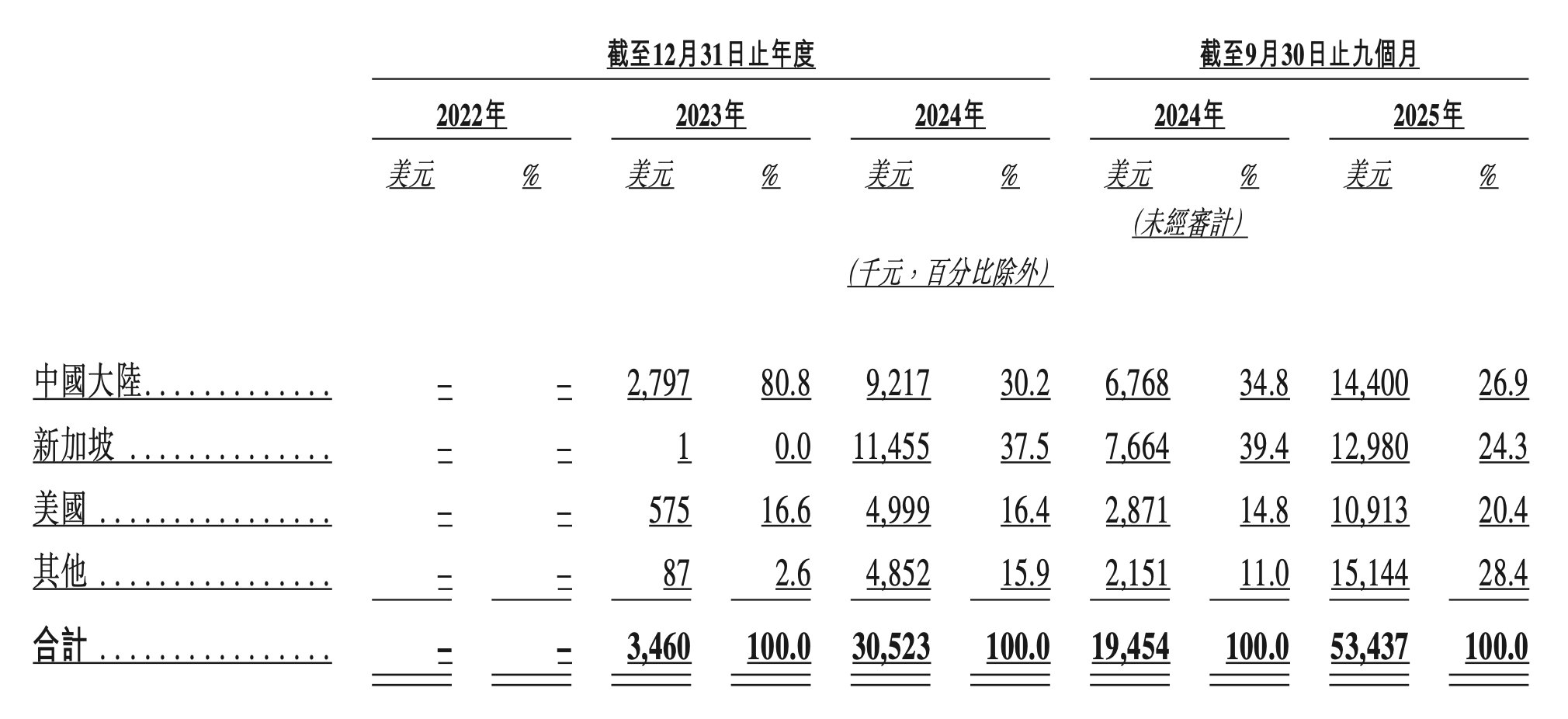
However, on the other side of this loss is that 385 people, with an average age of 29 years, have raised a total of 1.5 billion US dollars, and actually spent only 500 million dollars, making it one of the top four full-model AGIs in the world. 70% of revenue comes from overseas, and the service covers 212 million users in 200 countries and regions.
This is not a bridge to science fiction, but the real picture revealed by a Chinese company called MiniMax Xiyu Technology) in its prospectus submitted to the Hong Kong Stock Exchange on December 21, 2025. At a time when the AI industry is mired in anxiety about an “arms race for computing power” and a “DAU internal volume,” MiniMax completed an almost “anti-common sense” narrative reconstruction in more than three years.
It is not a copy of OpenAI, but more like a declaration of defection written to the “era of AI centralization” — when the industry fell into a “computing power arms race” and a “DAU internal volume,” it used extreme efficiency to reconstruct the underlying logic of technical barriers, break the regional shackles with a global perspective, and firmly wrote its own Chinese footnote beside OpenAI's grand narrative of 750 billion US dollars.
A game breaker appears: the 29-year-old organization's efficiency code
To understand MiniMax, we first need to break two deep-seated “common sense.”
The first counterintuitive data is “70% of income is overseas.” In the Chinese internet context, this is often interpreted as “going overseas successfully.” But MiniMax's path is quite different: it was born global since its inception. Compared with the classic path of giants such as ByteDance, where they first cultivate the mainland and then take advantage of the wind, MiniMax's R&D, product, and market strategy was built for the global scene from the beginning. It's not “going out to sea,” but “at sea.”
The second more surprising number is “500 million dollars burnt out the top four in full modality.” According to public information, industry leader OpenAI has invested about 40 billion to 55 billion US dollars to reach today's high. MiniMax, on the other hand, only cost about 1% of its cost.
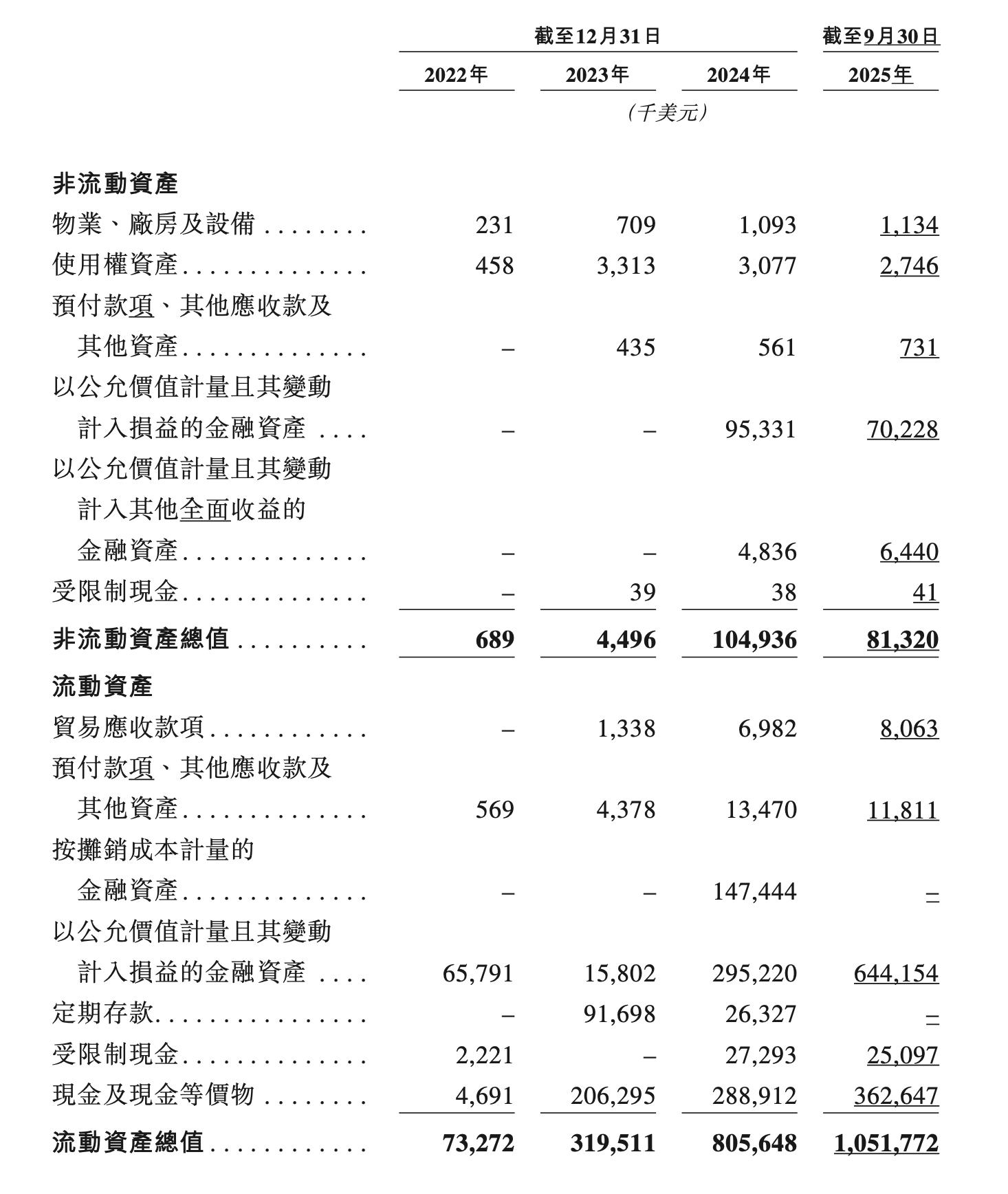
According to the prospectus, the company has accumulated financing of about 1.5 billion US dollars, while by the end of September 2024, cash on books and equivalent amounts reached 1.102 billion US dollars. This means that on the journey to achieve the world's top technology layout, its actual net consumption is only about 500 million US dollars. This is a shocking arithmetic question about “capital efficiency.”
Behind this extreme efficiency is the almost paranoid strategic strength of founder Yan Junjie and his team. While almost the entire industry is chasing the size of users and treating DAU as a guideline, founder Yan Junjie said bluntly in an interview with Luo Yonghao: “DAU is an indicator of vanity.” In his opinion, the AI company's core product is not a chat interface, but the model itself. This “non-consensus” choice allowed MiniMax to avoid the “free internal volume” trap that large domestic model companies fall into, and instead focus on a real breakthrough in model capabilities.
Its technical path is also full of “non-consensus”: it does not overly pursue a single modal (such as text) to reach the top of the list, but instead insists on the multi-modal “cask effect” co-evolution. This balanced development strategy has finally built a solid moat of comprehensive strength: the results are shocking:
l When the M2 text model was released, it was ranked in the top 5 of Artificial Analysis in the world and number 1 in open source. This is the first time that a major Chinese model has reached the top 5 in the world;
l Speech 2.6 speech model overwhelmed OpenAI and ElevenLabs in authoritative evaluations, ranking first in the world;
l The Hailuo 2.3 video model ranks second in the world, generating more than 590 million videos;
l Music 2.0 also enables professional AI composition and supports complete song structure and multi-track arrangement.
Efficiency comes from organizational revolution. MiniMax is an AI native team: 385 employees, average age 29 (post-95), accounting for 74% of R&D; average age of the board of directors is 32 (post-90s). There are no more than three levels under the CEO, and the decision-making chain is extremely short. More importantly, over 80% of the code is generated by AI — not to save manpower, but to fundamentally restructure the way we work. Under this culture, human efficiency was pushed to the extreme: in less than four years, the leap from zero to full-model leadership to global product implementation was completed.
Closed business loop: 70% of overseas revenue breaks through globalization
If technological leadership cannot be realized, it will eventually become a laboratory exhibit. However, MiniMax has already embarked on a sustainable, high-margin, and global commercialization path.
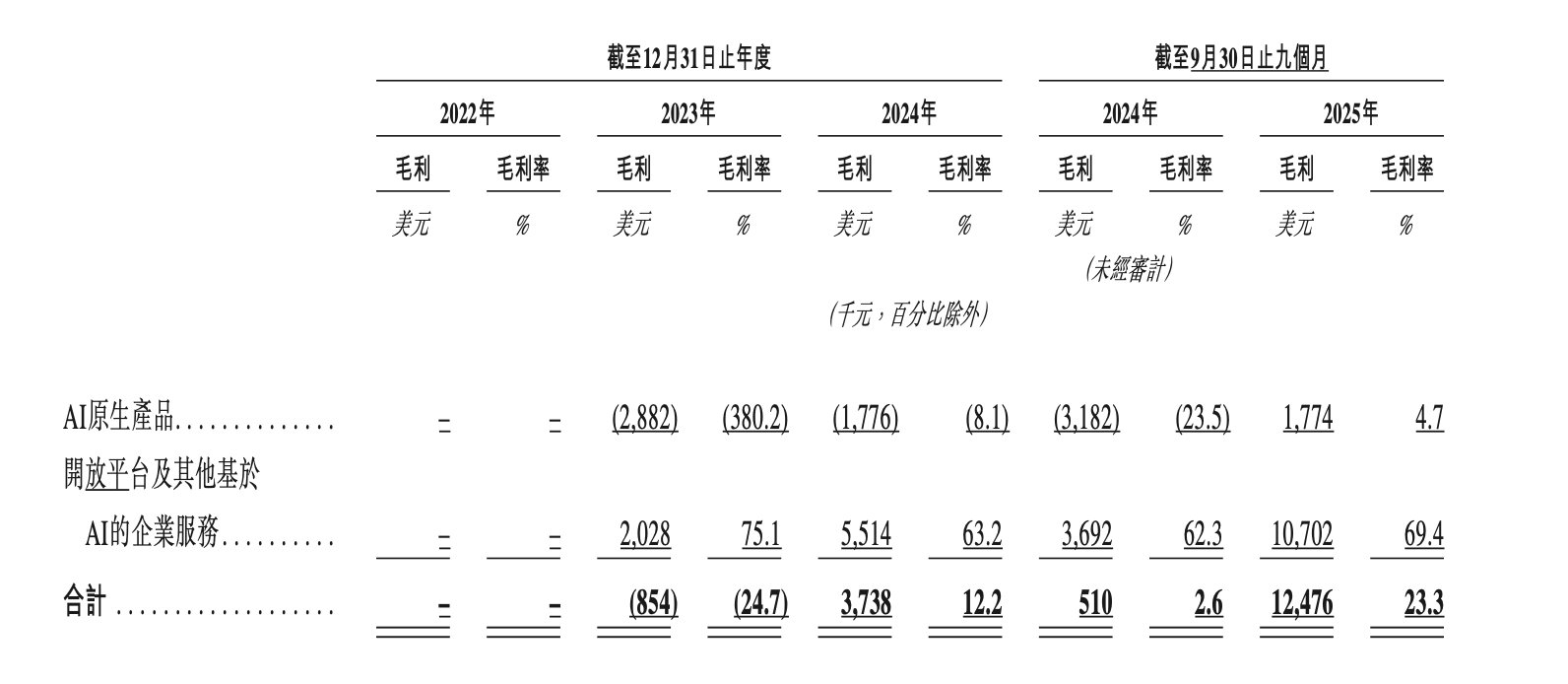
It is one of the most profitable AI companies in China. In the first nine months of 2025, revenue reached $53.44 million, an increase of 170% year over year. More importantly, its revenue structure is healthy and diverse: C-side subscriptions account for over 71% (Talkie, Conch AI, etc.), and the gross margin of B-side APIs is as high as 69.4% — while the gross profit of peer-side businesses of the same caliber is almost zero.
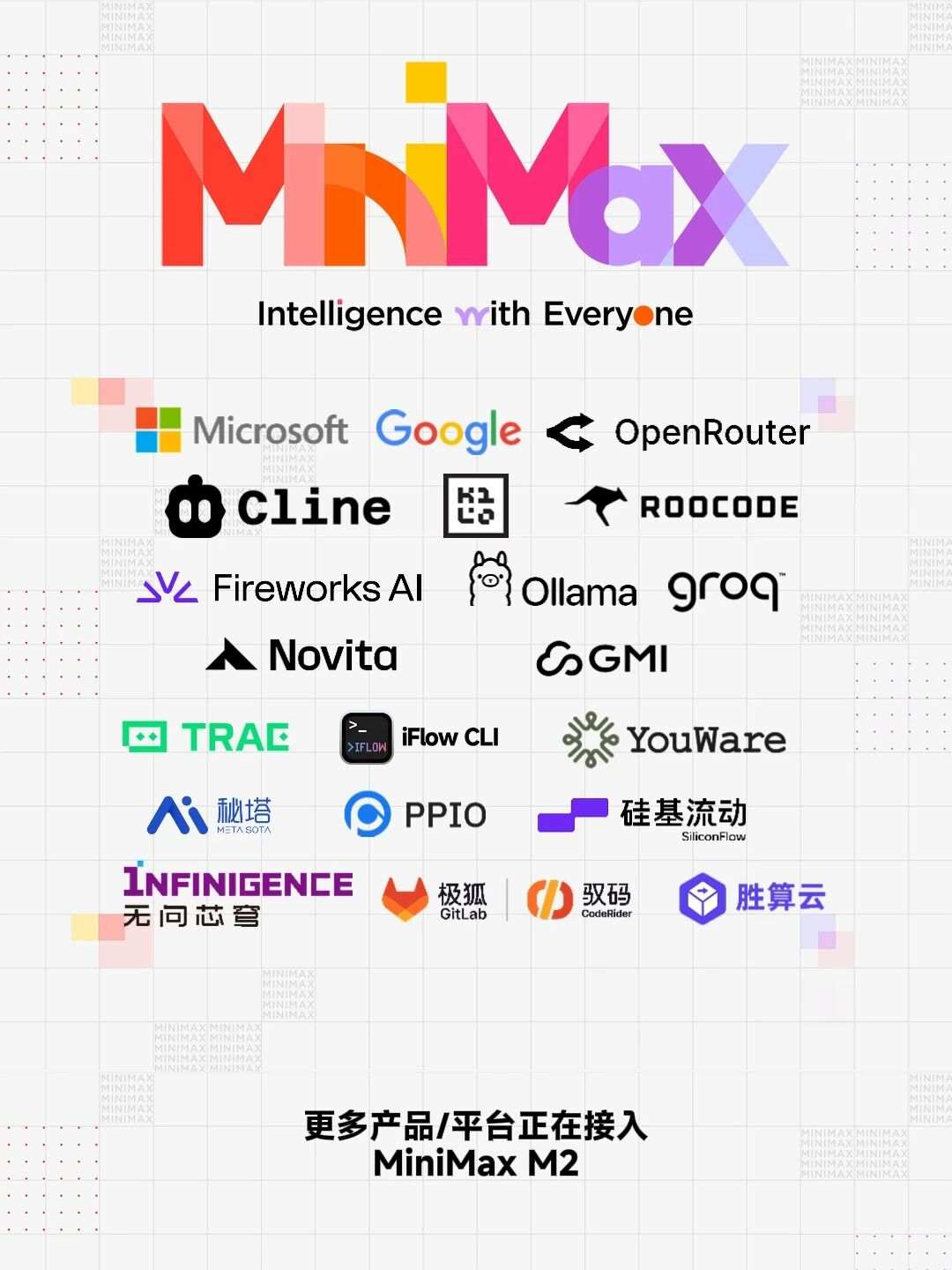
The B-side is also unstoppable. MiniMax is the only major Chinese model introduced by Amazon's AWS Bedrock. At the same time, it has also landed on the three major cloud platforms Google Vertex AI and Microsoft AI Foundry. Its customers span various fields such as technology, creativity, hardware, advertising, etc., such as LinkedIn, which uses it to generate advertising videos; Veed uses it to drive digital people...
This two-wheel drive mode provides extreme resilience to risks. As of September 2025, MiniMax had 212 million individual users and 130,000 corporate customers. The accounts receivable turnover period was only 38 days (industry average 60-90 days), and the accounts receivable balance was only US$8.06 million. This means that MiniMax's growth does not depend on burning money in exchange for traffic, but on the natural fission of product power and word of mouth.
What is even more counterintuitive is its “philosophy of frugality.” Against the backdrop of a general boom in the AI industry, MiniMax's adjusted net loss fell 8.6% year-on-year in the first nine months of 2025, while revenue increased 174.7% during the same period. It uses algorithm optimization to replace computing power build-up: training costs fell from 1342% of revenue in 2023 to 266.5% in 2025. It's not about saving money; it's about reducing dimensions — doing harder things in a smarter way.
IPO value: the valuation anchor for reconstructing the AGI circuit
Choosing to hit the “world's first AGI share” now, MiniMax's intention is far more than financing, but has deeper value considerations.
The Hong Kong stock market has long lacked benchmark companies that truly possess the core technology and mature commercialization capabilities of AGI. The listing of MiniMax will fill this gap and is expected to become the “number one global AGI stock”.
The shareholder lineup that it escorts can also be called luxurious: strategic investors such as Miha Tour, Ali, Tencent, and Xiaohongshu combine top financial capital such as Gaowei, Sequoia, and IDG to form the triple protection of “technology+ecology+capital.”
For global investors, MiniMax provides a triple scarcity logic:
First, algorithm optimization provides new valuation anchors. In a game where fears about global computing power have intensified, Nvidia's stock price has repeatedly reached new highs, and giants have used 10 billion US dollars as an entry ticket, MiniMax proved that the AGI competition does not have to rely on unlimited computing power. Using 1% of the cost to achieve full modal leadership is itself disrupting the “burn money for technology” narrative.
Second, a moat built with two-wheel drive. 212 million C-side users bring stable cash flow, and 130,000 B-side customers verify enterprise-level value. This “consumer+enterprise” dual engine is far more resilient and expandable than a single API call model. It proved that an AGI company can simultaneously own the core of a technology company and the reach of a consumer internet company.
Third, optimal hedging under geopolitics. Today, when “technological decoupling between China and the US” is becoming more severe, MiniMax's “Chinese R&D plus global hematopoiesis” model has become the best risk hedging solution for capital allocation on the AGI circuit — not only enjoying dividends from Chinese engineers, but also avoiding geopolitical risks.
epilogue
While the market was still debating “whether China can create OpenAI,” MiniMax has quietly stepped out of the third path. It does not replicate Silicon Valley myths, nor is it stuck in local circles. Instead, it redefines the growth paradigm of AGI with extreme youth, extreme efficiency, and extreme globalization.
OpenAI's 750 billion valuation is based on the assumption of “AI scarcity”; MiniMax's value will be reborn in “AI inclusiveness.” This team, with an average age of 29, spent 500 million dollars to ignite technological independence, ignited the engine of commercial innovation with a global layout, and redefined future ways of working with AI.
Its prospectus is not a financial document, but rather a declaration of defection for the era of AI centralization.