
The robotics business surged 510%, and Suteng Juchuang (02498) accelerated card physical AI
On July 9, Suteng Juchuang (02498) released sales data for the first half of 2026: total sales of lidar products were 719,200 units, an increase of 170% over the previous year. Among them, the robot sector sold 282,600 units, surging 510% year on year; sales volume in the ADAS sector was 436,600 units, up 98% year on year.
This set of data reflects clear changes in the company's growth structure: the ADAS business continues to contribute to the basic scale market, the robotics business has become a highly flexible incremental source, and self-developed digital chip systems incorporate automotive, robotics, and more physical AI applications into a unified technology and manufacturing framework. Smart cars and robots are currently the first two types of physical AI terminals to enter the large-scale implementation stage. With the simultaneous launch of the two main lines, Sagiteng Juchuang's growth logic also began to extend from a single in-vehicle cycle to a wider physical AI application market.
The robot leads the circuit in all scenarios, and the first-mover card position builds long-term value
The robotics business is the most resilient part of this round of structural change. In the first half of the year, Sagiteng Juchuang sold 282,600 lidar units in the robotics field, an increase of 510% over the previous year. It has become an important source of sales growth for the company. Compared to the automotive market, robot terminals are more scattered and application scenarios are more complex, which places higher demands on the miniaturization, reliability, power consumption, cost, and adaptation efficiency of sensors. Sagiteng Juchuang took the lead in large-scale delivery in this market, indicating that its product capabilities have spilled from the automotive scene to a wider range of smart terminals.
E-platform all-solid-state digital lidar is the core product for starting the robotics business. The E1, the first product of the E platform, is the world's first large-scale mass-produced all-solid-state lidar. The product stability and consistency are significantly superior to consumer-grade sensing hardware, and can be widely used in various scenarios such as household devices, unmanned travel terminals, and humanoid intelligence. As of April 2026, the series has delivered more than 300,000 units, setting a new industry record for mass production.
Relying on generalized hardware and a unified chip architecture, the company has formed coverage on multiple segmented racetracks. In the field of civil and commercial equipment, Suteng Juchuang has been supporting mainstream manufacturers such as No. 9 and Kumoth for a long time, and launched a strategic cooperation with Stone Technology in 2026; the high-end intelligent equipment circuit is deeply connected with leading humanoid and four-legged robot companies such as Zhiyuan, Yushu, and Galaxy GM. Up to now, the company has served more than 3,400 robot companies around the world, and its ecological scale is at the forefront of the industry.
According to data from several third party agencies, Suteng Juchuang has ranked first in global robotic 3D lidar shipments for many consecutive quarters, ranking in the five major segments of global lawnmower robots, commercial cleaning and sanitation robots, Chinese humanoid robots, Chinese unmanned delivery vehicles, and Chinese physical robots. For the robot market, which is still in the rapid iteration stage, early customer card positions and scenario coverage often have a strong compounding effect, which will also in turn drive continuous optimization of product definition, delivery experience, and scale costs.
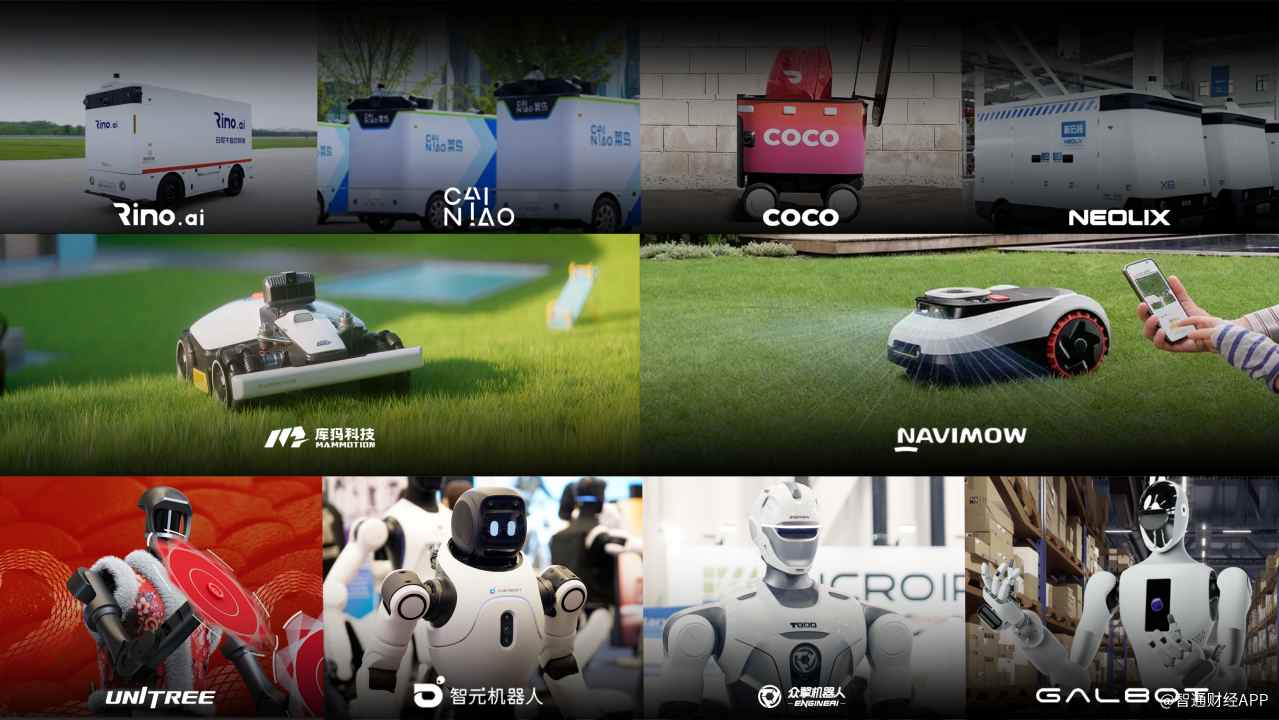
In addition to lidar, Sagiteng Juchuang is also promoting multi-modal sensing solutions such as visual fusion. As robot requirements for environmental recognition, close obstacle avoidance, and task execution capabilities increase, the integration of lidar and vision is expected to become an important extension of the company's perception product matrix.
There are plenty of orders for the automotive business, and high-end and globalization consolidate the basic market
The automotive ADAS business is the “ballast stone” of Sagiteng Juchuang. In the lidar market for passenger cars of 500,000 yuan or more, Sagiteng Juchuang led the market with a 61% share. As of March 31, 2026, the company has received fixed orders for 177 models from 36 car companies, and has ordered more than 9 million units. The value of the automotive business is reflected not only in current sales volume and order reserves, but also in automotive-grade reliability, manufacturing consistency, and supply chain management capabilities formed during long-term pre-assembly mass production.
As L2+ advanced intelligent driving continues to sink, the value of lidar in safety redundancy and complex scene perception has been further highlighted. The digital combination of the company's “EM4 main radar+E1 blind repair radar” takes into account long-range detection, global blindness compensation and strong anti-interference capabilities, adapts to complex road conditions in all scenarios, and has been recognized by many leading autonomous driving companies.
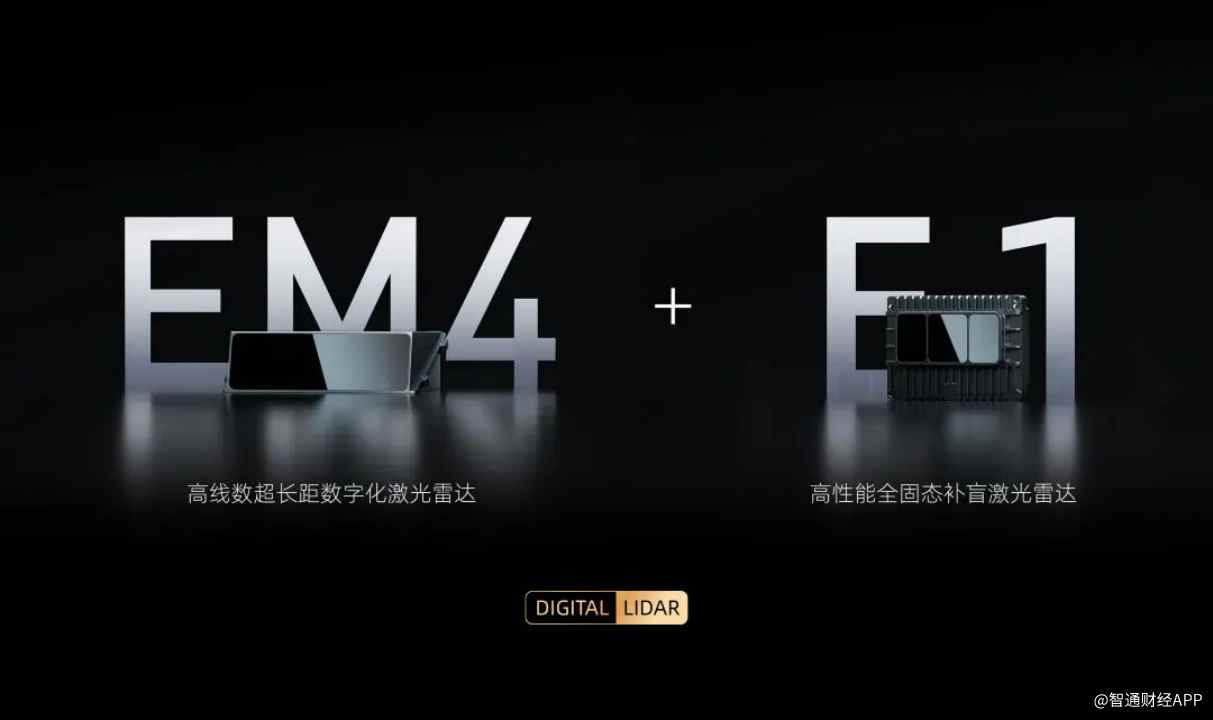
The automotive business provides certainty, and the robotics business provides growth elasticity. Together, the two business lines push the market to reunderstand the development curve of Suteng Juchuang's lidar business. In the past, the valuation framework of lidar companies was more anchored in the car front installation cycle, model SOP rhythm, and bicycle load capacity; as non-vehicle business contributions increased, Sagiteng Juchuang's growth source began to expand from a single vehicle cycle to two types of terminals: smart cars and robots. Changes in the shipping structure are increasing the flexibility of the company's long-term growth.
Self-developed chip systems build core internal factors, and reuse across scenarios to unleash growth potential
Demand resonance in both external scenarios is a common opportunity for the industry. Sagiteng Juchuang was able to simultaneously achieve high growth in both automotive and robotic terminals. The core reason is a full-stack self-developed digital chip system.
In April 2026, the company released the “Genesis” digital architecture platform and “Phoenix” and “Peacock” self-developed chips. The Phoenix chip supports 2160 lines and has passed AEC-Q100 vehicle certification, and can achieve 600-meter ultra-long-range detection and accurate target recognition. The 4 megapixel high-definition lidar solution based on this chip has been targeted by leading car companies; the peacock chip has reached VGA-level 3D imaging standards and has an ultra-wide viewing angle of 180° x 135° and close detection capability of less than 5 cm, which can solve the robot's close-range blind spots and global sensing requirements, and is expected to be mass-produced in the third quarter.
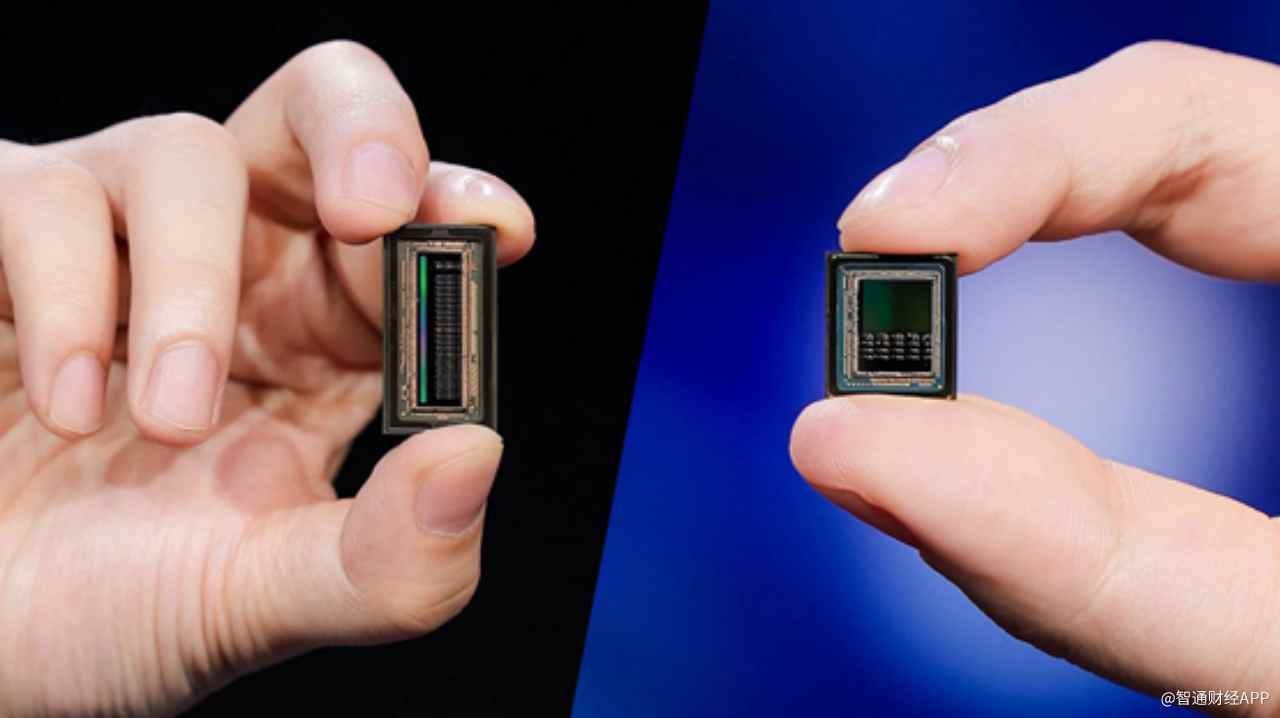 The value of this chip system lies in cross-platform reuse. The in-vehicle business verifies high reliability and large-scale manufacturing capabilities, and the robotics business expands the value of generalization, miniaturization and rapid adaptation, and the two form a collaboration under the same digital technology system. Combined with over one million vehicle-level mass production experience, the company has formed a complete closed loop from the underlying chip, product platform, manufacturing system to supply chain capabilities. Guosheng Securities pointed out that the full-stack technology upgrade will strengthen the company's long-term product value and market positioning in the physical AI era, and is expected to drive continuous cost structure optimization and gross margin improvement.
Looking at market space, intelligent driving and robotics are jointly expanding the demand boundaries of the lidar industry. According to Insight Consulting data, the global ADAS lidar market is expected to reach 19.7 billion US dollars in 2030, with a compound growth rate of 59.8% from 2025 to 2030. At the same time, the installation rate of robot-related sensing hardware continues to rise, and the overall global lidar solution market will rise to 41.3 billion US dollars in 2030, with a compound growth rate of 63.7%. In this process, Sagiteng Juchuang is supported by digital chips, and is expected to continue to meet the incremental demand brought about by the expansion of physical AI terminals, using the automotive and robotic dual-line business as the starting point.
Conclusions
2026 is a critical year for Sagitengjuchuang to iterate its management structure and upgrade its growth logic. Sales data for the first half of the year further confirmed the changes in the company's business structure: the automotive business consolidated the basic scale market, the robotics business opened up highly elastic growth space, and the self-developed digital chip system supported the company's reuse of products and manufacturing capabilities in more physical AI terminals.
In the long run, as applications such as intelligent driving, robotaxi, unmanned delivery, Shangqing sanitation, humanoid and four-legged robots continue to develop, lidar still has a large penetration space as the core hardware for three-dimensional space sensing. With lidar as the core, Suteng Juchuang will continue to strengthen self-developed chips and digital architecture capabilities, stabilize automotive infrastructure, expand robotics advantages, and expand the long-term development boundaries of the physical AI era through multi-category innovative businesses. With automotive-level mass production experience, global customer systems, and digital architecture capabilities, Sagiteng Juchuang is expanding from a leading automotive lidar to a cross-scene sensing platform in the physical AI era.