
Pfizer (PFE.US) profit pressure eases: Strong demand for the Q2 drug portfolio pushes the 2026 revenue guidelines to be revised, and an additional 2.5 billion US dollars in cost cuts
The Zhitong Finance App learned that before the US stock market on Tuesday, Pfizer (PFE.US) announced financial results for the second quarter of 2026. Against the backdrop of continued decline in revenue from COVID-19 products, the company achieved higher than expected revenue growth with the strong performance of non-COVID-19 core products such as Eliquis and Padcev, and raised the lower limit of the annual revenue guidance. However, the impairment of non-cash intangible assets of $4.3 billion dragged GAAP to record a net loss, and the stock price rose slightly by about 0.52% to $25.16 in pre-market trading.
Core data: Non-COVID-19 products bucked the trend and increased by 18%, Eliquis surpassed expectations
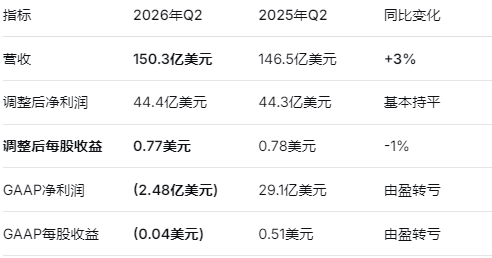
Pfizer achieved revenue of US$15.03 billion in the second quarter, up 3% year over year, far exceeding market expectations of US$14.41 billion. Adjusted earnings of $0.77 per share also significantly exceeded analysts' expectations of $0.68.
However, under GAAP, the company recorded a net loss of US$248 million, or loss of US$0.04 per share, compared with net profit of US$2.91 billion for the same period last year. The losses were mainly due to the depreciation of non-cash intangible assets of $4.3 billion.

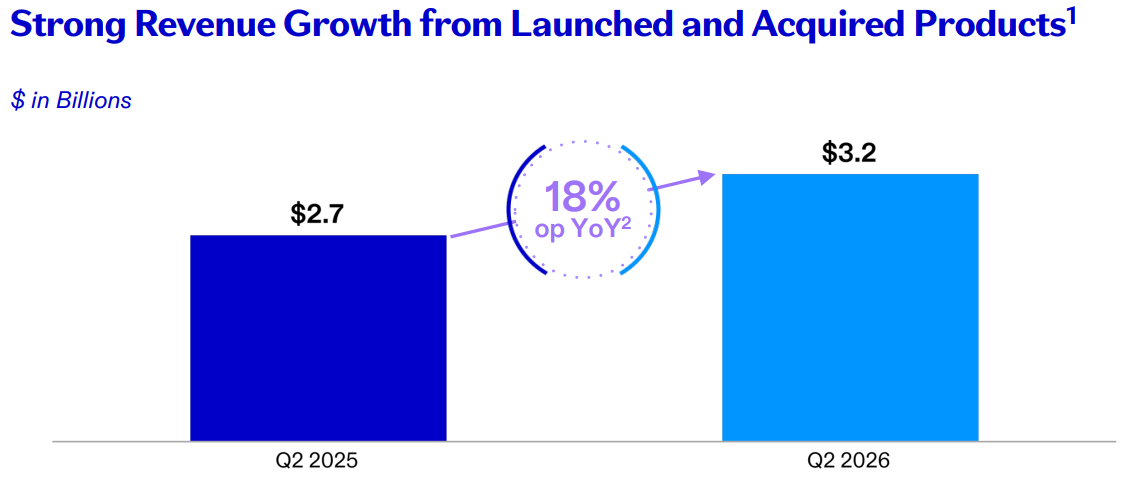
Non-COVID-19 products are the core highlight of this financial report. Excluding Comirnaty and Paxlovid, Pfizer's revenue and operations increased 5%; listed and acquired product portfolio operations increased 18%. Among them, sales of the blood thinner Eliquis reached US$2.43 billion, up 19% year over year, far exceeding analysts' expectations of US$2.08 billion. Padcev's operations grew 23%, Lorbrena grew 37%, and the Vyndaqel family grew 8%. The strong performance of listed and acquired products provided an upward trend of around $1.5 billion for the full year.
COVID-19 products, on the other hand, continue to drag down performance. Paxlovid operations plummeted 95% and Comirnaty declined 34%. Pfizer lowered its annual revenue forecast for COVID-19 products from about $5 billion to about $4 billion.
Full year guidance: raise the lower revenue limit and maintain profit expectations
Based on the higher-than-expected performance of non-COVID-19 products, Pfizer raised its 2026 full-year revenue guidance from $59.5 billion to $62.5 billion to $62.5 billion. The median value of the new guidelines was raised by $500 million compared to the previous one.
The company also reiterated that the adjusted earnings per share guide for the full year was $2.80 to $3.00, which is basically in line with market expectations of $2.95. The guidelines have taken into account the negative impact of the Cinda Biotech transaction of approximately $0.10.
Increased cost cuts: an additional $2.5 billion in savings 2027-2029
Pfizer announced an expanded cost reduction program and expects to achieve an additional $2.5 billion in net cost savings between 2027 and 2029. Of this, $1 billion comes from ongoing cost adjustment programs and $1.5 billion from the next phase of manufacturing optimization plans.
Combined with the previously announced cost savings target of US$5.7 billion, Pfizer's total net cost savings are expected to reach approximately US$6.7 billion by 2029. The company said that the remaining share repurchase authorization amount as of August 4 is US$3.3 billion, but it does not expect any share repurchases in 2026.
CFO changes
Pfizer CEO Albert Burla said in an earnings statement: “Pfizer has had another strong quarter, delivering on our financial commitments and advancing our strategy. The products that have already been marketed and acquired are performing well, the obesity program is progressing at a meaningful pace, and the oncology product portfolio remains our strength”.
However, the market's doubts about Pfizer's R&D pipeline have not dissipated. In June, an experimental antibody-drug conjugate failed to improve survival in patients with advanced lung cancer. The drug is one of the core assets obtained by Pfizer's acquisition of Seagen for $43 billion at the end of 2023. BMO capital markets analysts pointed out that ongoing questions surrounding the value of Seagen's acquisition suggest that Pfizer “still needs to further clarify the scope and timing of its oncology business opportunities.”
Meanwhile, Pfizer is undergoing a major shift in finance leadership. CFO Dave Denton will step down and join Nike on August 15. Cecile Guegan, a senior finance executive who has served with the company for more than 20 years, will take over as interim CFO the next day. The company is conducting internal and external searches to find a permanent successor.
Pfizer expects the company to resume strong growth after key patents expire in 2028. Burla said during the call that the company “products launched and acquired are performing well... our obesity program is progressing steadily”. However, with the patent cliff approaching, COVID-19 revenue continues to shrink, and key late-stage pipeline data remains uncertain, whether the pharmaceutical giant can maintain this hard-won growth momentum for the rest of 2026 is still the focus of the market's continued attention.