
Telstra Shares Put Network Infrastructure Stocks In Focus
Telstra has just reported a A$2.4b profit and kept its 21c dividend, yet the share price still slipped on outage worries and boardroom optics. That mix of solid cash flow, network strain and public scrutiny often pushes telcos to rethink how much they spend on towers, fibre and data centres. This article unpacks three stocks exposed to those capital expenditure decisions and how that news backdrop might matter for your portfolio.
The three stocks below are just a starting sample, and the full screen surfaced 11 more companies with equally compelling narratives around towers, fibre, data centres, power and cooling that are not covered here. To go deeper on this theme, head straight into the Australian Network Reliability & Infrastructure Capex Beneficiaries screener to identify, analyze and focus on your highest conviction ideas.
Superloop (ASX:SLC)
Overview: Superloop is an Australian telecommunications and internet provider that sells broadband and mobile services to households, high capacity data and connectivity products to businesses, and network access and bandwidth to other telcos and large technology customers, all built around its own fibre and smart communities infrastructure.
Operations: Superloop generates most of its revenue from Consumer services at about A$413 million, with additional contributions from Business at about A$107 million and Wholesale at about A$87 million.
Market Cap: A$1.66 billion
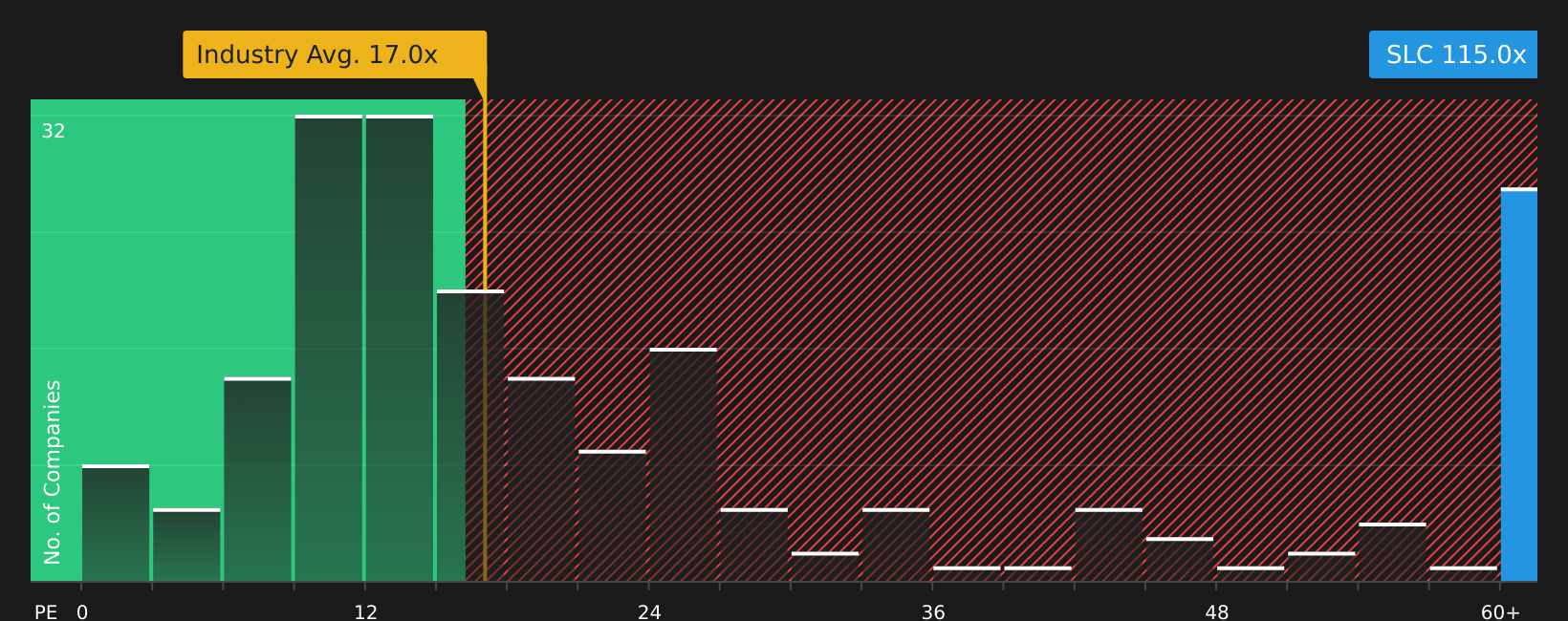
Superloop sits right in the crosshairs of what Telstra’s outage has highlighted for investors: the value of reliable, high speed networks and diversified fibre routes. The company is leaning into surging data demand and smart community projects that can support higher value, recurring revenue, while also pushing operating leverage as volumes grow. At the same time, the stock still carries a very high P/E multiple and relies entirely on external funding, so expectations are built in and balance sheet risk is not trivial. For investors who think rising reliability standards and fibre investment will keep favouring independent network owners, Superloop is a story worth understanding in more detail before the next set of numbers on 19 August 2026.
Superloop’s high P/E and external funding reliance can mask where the real upside and pressure points sit. Before Telstra’s next outage headline reshapes expectations again, line up the 3 key rewards and 1 important warning sign in one place with the 3 key rewards and 1 important warning sign
Build your own fibre and infrastructure shortlist
Superloop and the other two stocks in this article are just a sample of what surfaced from a single screen built around network reliability, capital intensity and balance sheet quality. Use our flexible Screener to mix metrics like valuation, future growth, risks and dividends, or jump straight into our curated Investing Ideas.
Swoop Holdings (ASX:SWP)
Overview: Swoop Holdings is an Australian telecom infrastructure carrier that builds and operates fixed wireless and fibre networks, then sells high performance broadband, mobile and wholesale transit services to homes, businesses and other carriers under the Swoop brand.
Operations: Swoop generates about A$125 million in revenue, almost entirely from internet and telephone services in Australia.
Market Cap: A$26 million
Swoop Holdings sits in the slipstream of Telstra’s network issues as a smaller carrier that owns and operates its own fixed wireless and fibre infrastructure and can connect to rising demand for resilient connectivity and new tower builds. Analysts on recent calls highlighted strong revenue growth, tighter cost control and the scaling benefits of capital light products like NBN and mobile. However, the company still reports losses and a negative return on equity, with high funding risk and a volatile share price. A fresh board, CEO transition and a “focus, divest, grow” plan announced in July 2026 add another layer of change. For investors willing to accept higher risk, Swoop is an infrastructure-heavy way to gain exposure to network reliability spending that may warrant closer examination.
Swoop Holdings appears to be a small carrier with big ambitions, yet its losses and funding risk keep many investors on the sidelines. Line up the moving pieces in one place with the 3 warning signs (2 are major!)

Telstra Group (ASX:TLS)
Overview: Telstra Group is Australia’s largest telecom operator, selling mobile, broadband and technology services to consumers, businesses, government and other carriers, while also owning key infrastructure like fibre networks, data centres and mobile towers in Australia and offshore.
Operations: Telstra generates most of its revenue from Telstra Consumer at about A$10.9b, with material contributions from Telstra Enterprise Australia at about A$4.4b, Telstra Infraco at about A$4.2b, Telstra Business at about A$2.9b and Telstra International at about A$2.5b, primarily in Australia with about A$21.1b of A$23.2b total revenue.
Market Cap: A$55.4b
Telstra Group sits at the centre of Australia’s network reliability story, with A$2.4b profit, a 21c dividend and a new A$1b buyback that signal confidence in cash generation even after a high profile outage and a softer share price reaction. Mobile revenue of A$11.3b and 1 million extra services indicate pricing power and demand resilience. Recent earnings growth and improving margins highlight progress on cost control and infrastructure monetisation. The trade off is high debt, a dividend that is not fully covered by earnings and governance questions around board independence and executive pay, which can all become pressure points if service issues or regulation become more significant. For investors who care about both income and capex driven upside, Telstra may warrant closer consideration.
Telstra’s profit, dividend and buyback suggest a sturdier core story than the recent outage headlines imply, yet the real inflection point sits inside the 3 key rewards and 2 important warning signs

Curious About What You Might Be Missing Next
Fresh opportunities can move from quiet to flying under the radar for only so long. Scan potential breakouts before the crowd and while it matters. Act now.
- Spot companies where cash flow meets quality before momentum gets fully caught in the price through a tightly filtered 10 high quality undervalued stocks.
- Track businesses harnessing automation tailwinds while they are still dropping in under most radars with a focused 39 robotics and automation stocks.
- Zero in on resilient balance sheets that can shoulder shocks and keep compounding strength using a curated list of solid balance sheet and fundamentals (19 results).
This article by Simply Wall St is general in nature. We provide commentary based on historical data and analyst forecasts only using an unbiased methodology and our articles are not intended to be financial advice. It does not constitute a recommendation to buy or sell any stock, and does not take account of your objectives, or your financial situation. We aim to bring you long-term focused analysis driven by fundamental data. Note that our analysis may not factor in the latest price-sensitive company announcements or qualitative material. Simply Wall St has no position in any stocks mentioned.
Have feedback on this article? Concerned about the content? Get in touch with us directly. Alternatively, email editorial-team@simplywallst.com