
Urban Outfitters Stock And 2 US Retail Picks Trading Below Fair Value
With U.S. equity futures sending a cautious but slightly upbeat signal, oil prices adding an extra layer of risk, and a packed calendar of big retail earnings ready to test consumer strength, this is one of those weeks where sentiment around U.S. Consumer Discretionary Retail Leaders can shift quickly. This article unpacks the setup and profiles 3 stocks from the screener that appear positively exposed to the latest news flow.
The stocks covered below are just a starting sample, and the full screen surfaced 17 more U.S. Consumer Discretionary Retail Leaders with equally compelling narratives that are not included in this article. To go straight to the source, use the U.S. Consumer Discretionary Retail Leaders screener to identify, filter and analyze the retailers that best fit your own highest conviction ideas.
Arhaus (ARHS)
Overview: Arhaus is a premium U.S. home furnishings retailer that sells high end indoor and outdoor furniture, lighting, textiles, and décor through an omnichannel model that includes showrooms, ecommerce, catalogs, and design services.
Operations: Arhaus generates about US$1.4b in annual revenue, entirely from U.S. retail home furnishings.
Market Cap: US$1.4b
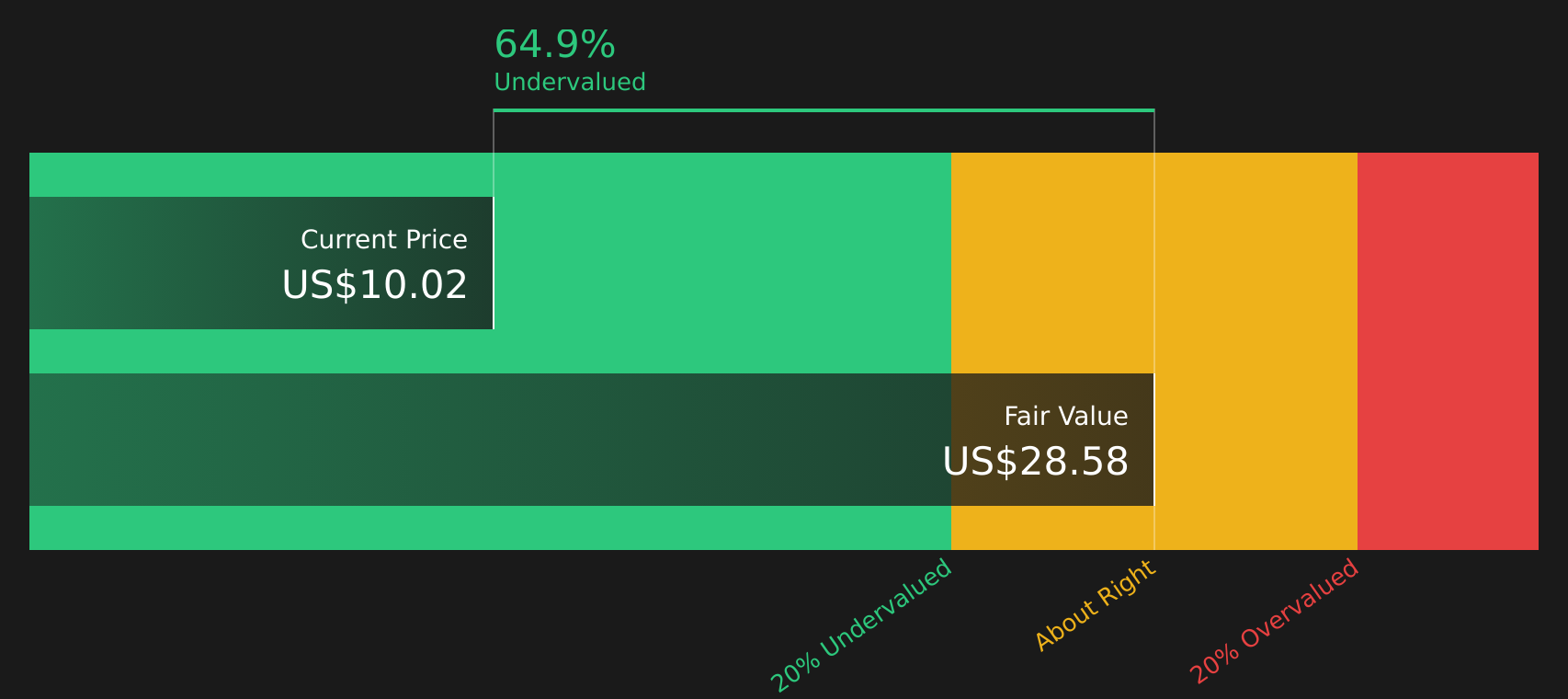
Arhaus sits at the intersection of wealth driven home spending and the U.S. consumer story that the market is watching closely this week. The company focuses on premium, customizable, and sustainable furnishings that appeal to higher income households, with record recent quarterly revenue and support from interior design and trade channels. At the same time, earnings growth has been modest, funding relies on external borrowing, and management is relatively new. This adds execution risk as the company invests heavily in new showrooms, technology, and marketing. For investors, the combination of premium positioning, an omnichannel model, and a wide gap between price and estimated intrinsic value makes Arhaus a stock that may warrant closer consideration within this retail leadership theme.
Arhaus is priced like a question mark while building out a premium, omnichannel footprint. To see what the market might be missing, start with the DCF valuation analysis for Arhaus and the small detail that could change the whole thesis.
Build your own premium retail shortlist
Arhaus and the other two retailers in this list came from a single screener, but the real opportunity is in shaping your own filters around valuation, growth, quality and risk. Use our customisable Screener to create that fit, or lean on any of our curated Investing Ideas for ready made starting points.
Urban Outfitters (URBN)
Overview: Urban Outfitters is a global lifestyle retailer that runs the Urban Outfitters, Anthropologie, Free People, Terrain and Nuuly brands, offering fashion, beauty, home goods, garden products and apparel rental services aimed mainly at Millennial and Gen Z customers across stores, websites, apps and social platforms.
Operations: Urban Outfitters generates most of its roughly US$6.3b in revenue from Retail at about US$5.4b, with Wholesale contributing around US$343 million and Subscription about US$611 million, and the bulk of sales coming from the United States.
Market Cap: US$6.7b
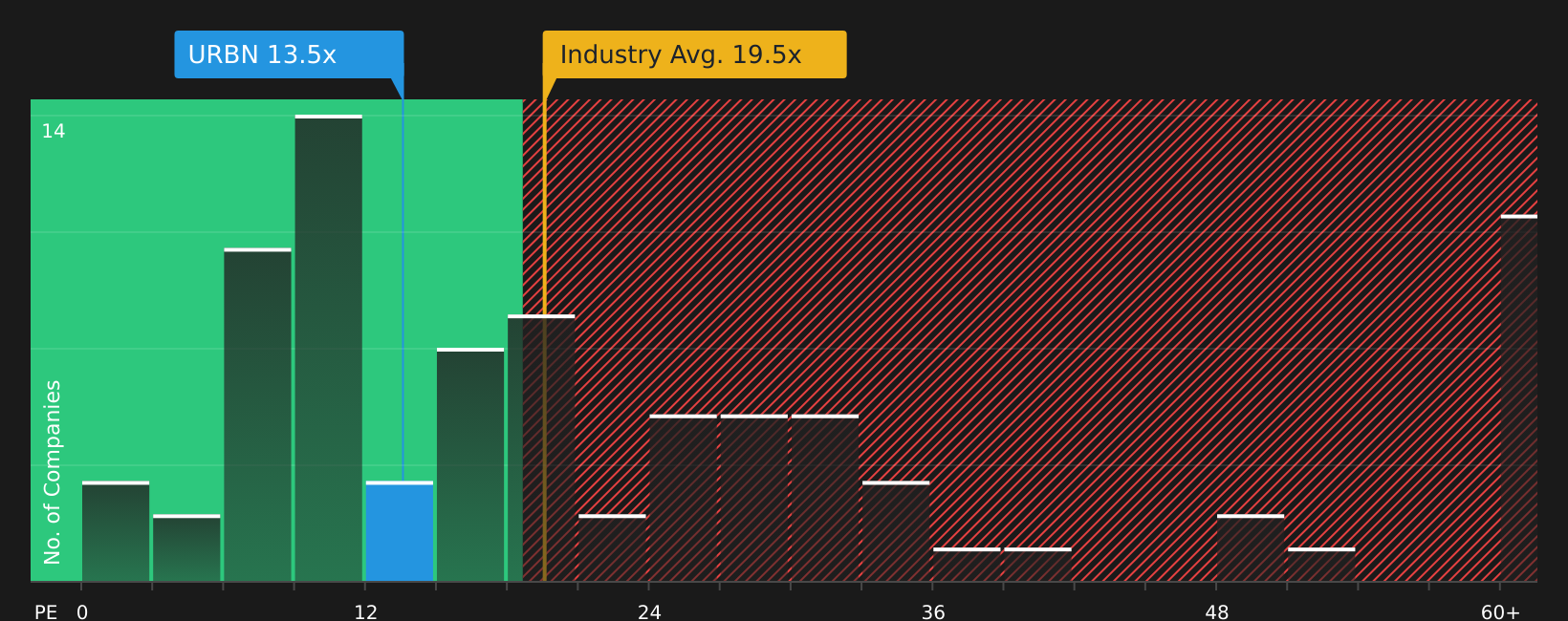
Urban Outfitters provides exposure to younger consumers at a time when the market is watching discretionary spending closely, and the company’s mix of established brands, Nuuly subscription growth, and expanding beauty and home assortments is keeping that audience engaged. The stock trades below some estimates of fair value, backed by reported profitability and a P/E that sits under both peer and industry averages. In addition, ongoing buybacks and execution at Anthropologie have attracted analyst attention. Set against that are higher freight and tariff costs linked to oil and Middle East risks, insider selling, and more modest long term growth expectations. The key consideration for investors is how this balance of valuation and execution risk develops as upcoming retail data become available.
Urban Outfitters’ valuation appears to be quietly decoupling from its mix of brands, Nuuly subscription revenue and reported profitability. Tap into the 4 key rewards and 1 important warning sign to see what the current P/E level might really be signaling.
Dollar General (DG)
Overview: Dollar General is a large U.S. discount retailer that sells everyday essentials and low priced discretionary items across thousands of small box stores, targeting value focused shoppers in rural and small town communities.
Operations: Dollar General generates about US$43.1b in annual revenue, all from its retail store operations.
Market Cap: US$27.2b
Dollar General gives you direct exposure to how lower and middle income households are coping with higher living costs, at a time when retail earnings and macro data keep pushing that question to the front of the market’s mind. The company offers a wide mix of consumables and discretionary goods, has reported profit margins of 3.6%, and pays a dividend around 1.97%, which some investors see as a useful income anchor. At the same time, management has flagged issues like shrink, promotional pressure and a heavy store expansion plan that could weigh on returns if execution slips. The core debate is whether the current valuation and rural focused footprint fairly reflect this mix of resilience and risk.
Dollar General’s rural footprint and everyday basket provide a real time view of how stretched budgets are behaving. Use the analysis report for Dollar General to see whether current margins and expansion plans are masking a deeper twist in the story.

Seeking Alternatives Before The Crowd?
Fresh stock ideas can move from quiet to flying quickly, and early momentum often fades once attention hits. Scan under the radar picks while it matters and get in early.
- Spot resilient compounders by running the list of solid balance sheet and fundamentals (50 results) so you focus on companies where cash, debt and earnings strength do more of the heavy lifting.
- Ride potential momentum shifts with the 53 high quality undervalued stocks and see which quality stocks the market has priced cautiously while fundamentals still look relatively strong.
- Target staying power and lower drama swings using the 80 resilient stocks with low risk scores and keep your watchlist tilted toward resilience instead of story driven volatility.
This article by Simply Wall St is general in nature. We provide commentary based on historical data and analyst forecasts only using an unbiased methodology and our articles are not intended to be financial advice. It does not constitute a recommendation to buy or sell any stock, and does not take account of your objectives, or your financial situation. We aim to bring you long-term focused analysis driven by fundamental data. Note that our analysis may not factor in the latest price-sensitive company announcements or qualitative material. Simply Wall St has no position in any stocks mentioned.
Have feedback on this article? Concerned about the content? Get in touch with us directly. Alternatively, email editorial-team@simplywallst.com