
Japan Post Stock And Two Life Insurers Facing The Next Bond Yield Test
Soaring long term bond yields, anxiety about a US$40tn US national debt and worries over inflation from fresh geopolitical shocks have sharply refocused attention on interest rate risk. For investors, this creates a rare moment where balance sheet structure and asset mix can matter as much as headline growth stories. This article walks through three stocks from our life insurer and annuity provider screener that appear especially exposed to these shifting rate currents.
The three stocks below are just a sample from this idea. The full screen surfaced 15 more life insurers and annuity providers with equally compelling narratives that are not covered here. To identify and analyze your own highest conviction candidates from this universe, head straight into the Interest-Rate Beneficiaries: Life Insurers and Annuity Providers screener.
Lifenet Insurance (TSE:7157)
Overview: Lifenet Insurance is a Japan based pure-play life insurer that sells term life, medical, cancer, disability and dementia policies directly to retail customers online, with a focus on younger first time buyers. As with many life insurers in this screener, its earnings and solvency are closely linked to long term government bond yields through the investment portfolio that backs its policy liabilities.
Market Cap: ¥119.6 billion
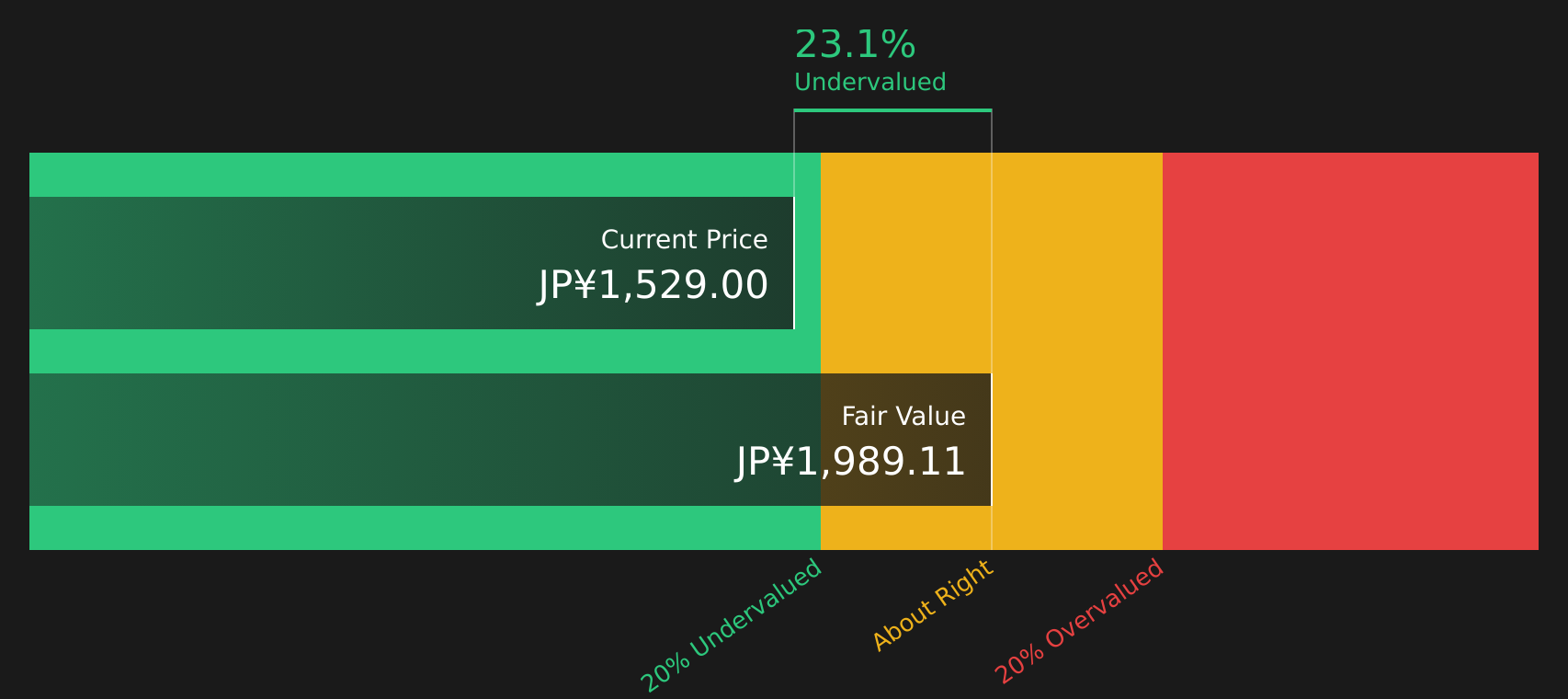
Lifenet Insurance provides targeted exposure to Japan’s online life insurance market at a time when long term yields and policy liabilities are both in sharp focus. The company is growing its core Individual Life business, with higher annualized premiums and better claims experience supporting upgraded profit guidance into FY3/27. At the same time, the GCL mortgage credit life unit is facing tougher competition, so revenue growth there is less certain and investors need to watch how management responds. With the stock trading below some fair value estimates and earnings directly exposed to movements in long dated government bonds, the next set of results and capital allocation moves could have an outsized impact.
Accelerating digital sign ups and direct exposure to long dated Japanese government bonds make Lifenet Insurance more than a simple online insurer story. Get the 3 key rewards and 1 important warning sign that could explain what the next rate move really means for this stock
Build your own rate sensitive insurer shortlist
Lifenet Insurance and the other two stocks in this article all surfaced from a single Simply Wall St screener, but the real edge is in shaping your own filters. Use our flexible Screener to mix valuation, growth, quality and risk metrics around your view on rates, or tap into our curated Investing Ideas for ready made starting points.
Japan Post Holdings (TSE:6178)
Overview: Japan Post Holdings is a Tokyo headquartered conglomerate that combines nationwide postal and logistics operations with banking and a large life insurance business, giving it significant exposure to long term government bond markets. Its life insurance arm manages a sizable fixed income portfolio and sells a range of protection and annuity products across Japan. The broader group also runs banking, international logistics and real estate activities through the country’s post office network.
Operations: Japan Post Holdings generates most of its ¥11.47 trillion revenue from the Life Insurance Business at about ¥5.56 trillion and Banking Business at about ¥3.03 trillion, with the remainder spread across postal and logistics, post office counter, international logistics, real estate and other services, almost entirely within Japan.
Market Cap: ¥6.33 trillion
Japan Post Holdings gives you exposure to a large Japanese life insurance and banking platform whose fixed income portfolio can benefit from higher long term bond yields. Recent results show the banking segment lifting group profits and international logistics and real estate adding extra momentum. At the same time, profitability is only modest, with a 3.8% net margin and forecast ROE still in single digits, and the dividend is not well covered by free cash flow, so higher payouts and recent share buybacks carry some risk if yields move abruptly. For investors who want to understand whether this premium rated stock justifies its interest rate story, the details behind these trade offs matter.
Japan Post Holdings blends a large fixed income portfolio with modest profitability and exposed cash returns. Read the 1 key reward and 1 important warning sign to see whether its interest rate story hides a tougher trade off that investors often miss.

Wüstenrot & Württembergische (XTRA:WUW)
Overview: Wüstenrot & Württembergische is a German financial group that combines life, health and property insurance with home loan savings and banking services, so its life and pension portfolios link it directly to the interest rate theme of this screener.
Market Cap: €1.33 billion
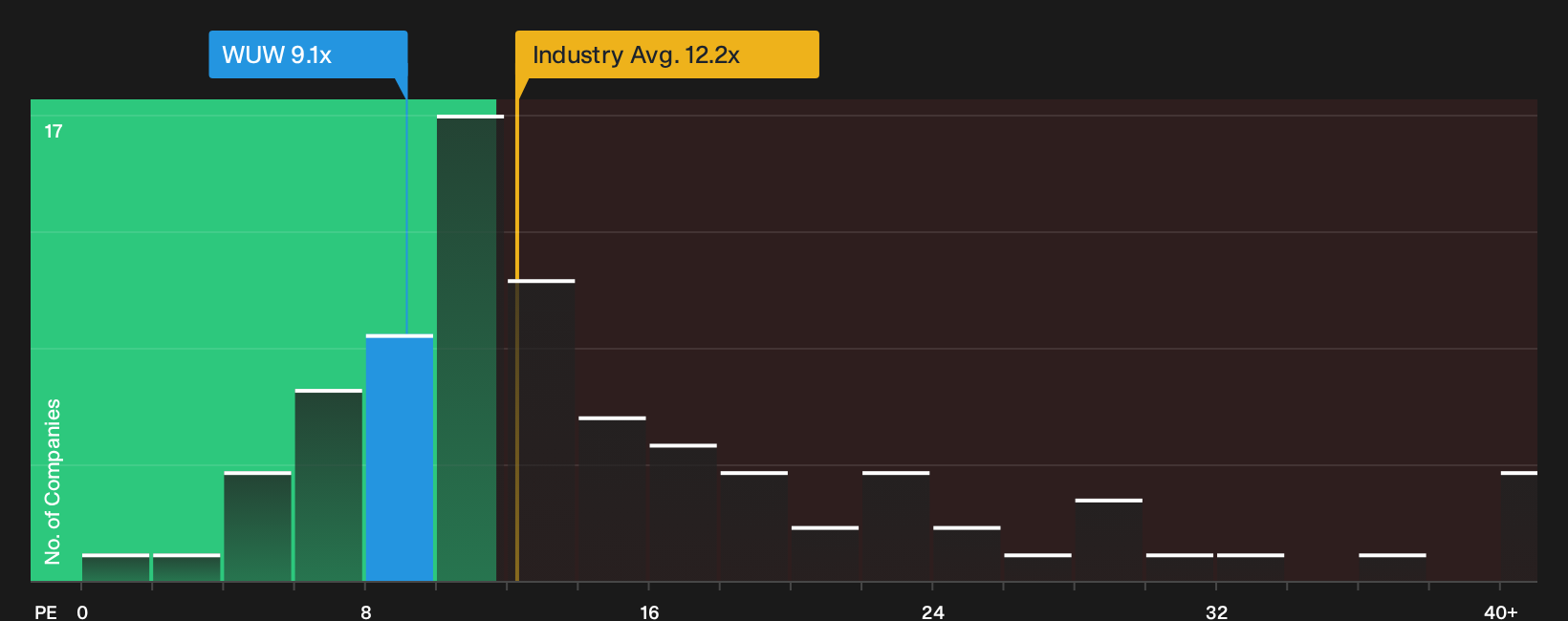
Wüstenrot & Württembergische gives you exposure to a sizeable life and pension book that can benefit from higher long term yields. It also offers a 4.63% dividend yield and a P/E that sits well below both the German market and peer averages. Recent H1 2026 net income of €104 million and reaffirmed 2026 guidance indicate that earnings are holding up even as the group works through slim margins, low single digit ROE and a funding model that relies entirely on external borrowing rather than customer deposits. That mix of income potential, valuation support and interest rate sensitivity makes Wüstenrot & Württembergische a stock where a deeper look at the balance sheet, funding costs and earnings quality could be important for forming a view on the next leg of the rate cycle.
Wüstenrot & Württembergische combines a low P/E, a 4.63% yield and rate sensitive life and pension books that many investors may be underestimating. Read the analysis report for Wüstenrot & Württembergische to see what could shift this story next.
Seeking Alternatives Before The Crowd Moves
Fresh ideas do not stay quiet for long. Stocks can shift from under the radar to full breakout once momentum is caught. Review the following curated shortlists while they may still be relevant.
- Spot resilient cash generators with strong downside protection by scanning the list of solid balance sheet and fundamentals (41 results) before others price in their fundamentals.
- Track companies in the 39 robotics and automation stocks while they are still flying under the radar.
- Review the 30 dividend fortresses if you are interested in income-focused stocks and their yield characteristics.
This article by Simply Wall St is general in nature. We provide commentary based on historical data and analyst forecasts only using an unbiased methodology and our articles are not intended to be financial advice. It does not constitute a recommendation to buy or sell any stock, and does not take account of your objectives, or your financial situation. We aim to bring you long-term focused analysis driven by fundamental data. Note that our analysis may not factor in the latest price-sensitive company announcements or qualitative material. Simply Wall St has no position in any stocks mentioned.
Have feedback on this article? Concerned about the content? Get in touch with us directly. Alternatively, email editorial-team@simplywallst.com