
CBRE Stock And Other CRE Distress Plays As CMBS Workouts Pick Up
With Treasury yields at levels not seen since the 2008 crisis, commercial real estate is under fresh stress and that is putting a spotlight on companies tied to CMBS servicing and loan workouts. Periods like this can reshape who collects fees, who absorbs losses, and who quietly benefits from rising distress. This article walks through three stocks exposed to these higher yield pressures so you can decide whether they deserve a closer look or a wider berth.
The stocks covered below are only a starting sample, and the full screen on Simply Wall St surfaced 10 more companies with equally compelling CMBS and special servicing narratives that are not discussed here. To size up that broader field and identify which commercial mortgage servicers and special servicers best fit your thesis, head straight into the Publicly Listed CMBS Servicers and Special Servicers Leveraging Rising CRE Distress screener.
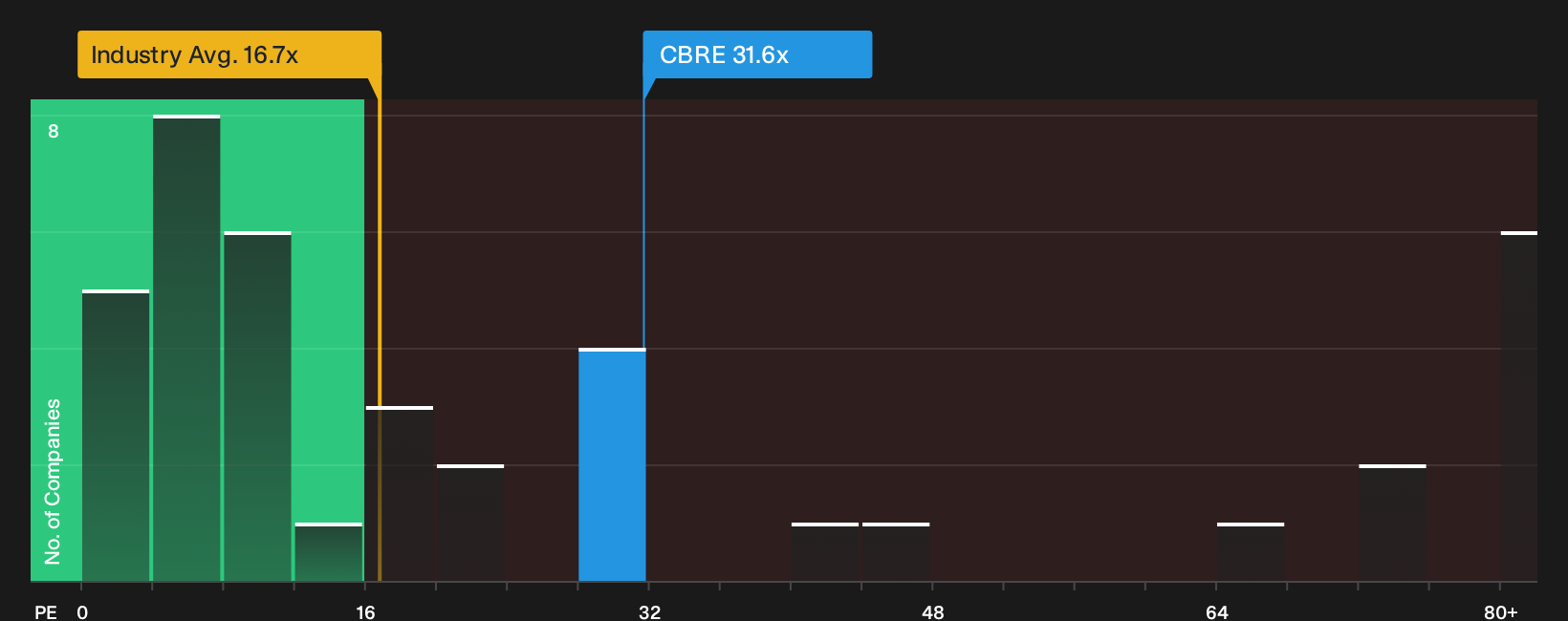
CBRE Group (CBRE)
Overview: CBRE Group is a large global commercial real estate services company that advises owners, lenders and occupiers on leasing, property sales, commercial mortgage and structured financing, valuation and loan servicing, including distressed asset and workout assignments that can become more active as refinancing pressure builds. It also runs sizable facilities and project management operations and manages and develops real estate on behalf of institutional clients worldwide.
Operations: CBRE generates most of its revenue from Building Operations & Experience at about US$25.2b and Project Management at about US$8.2b, with Advisory Services contributing about US$9.6b and Real Estate Investments about US$0.8b, and the bulk of this activity coming from the United States at about US$24.6b.
Market Cap: US$41.8b
Investors watching rising Treasury yields and mounting commercial real estate stress may want to pay attention to how CBRE Group is positioned in this phase of the cycle. Its global brokerage, capital markets and loan servicing capabilities can put the company at the center of refinancing negotiations, CMBS-related advisory work and distressed asset sales when borrowers feel the squeeze. At the same time, CBRE leans on large recurring Building Operations & Experience and Project Management revenue, which can help offset more cyclical transaction activity. The trade off is that funding needs and the use of external borrowing can leave earnings more exposed if credit markets tighten further. The real question is how this mix of fee engines and risk plays out as refinancing pressure builds.
CBRE Group’s fee engines and loan servicing reach could be masking where the real inflection sits for this credit cycle. Get the full story in the 4 key rewards and 2 important warning signs (1 is major!)
Newmark Group (NMRK)
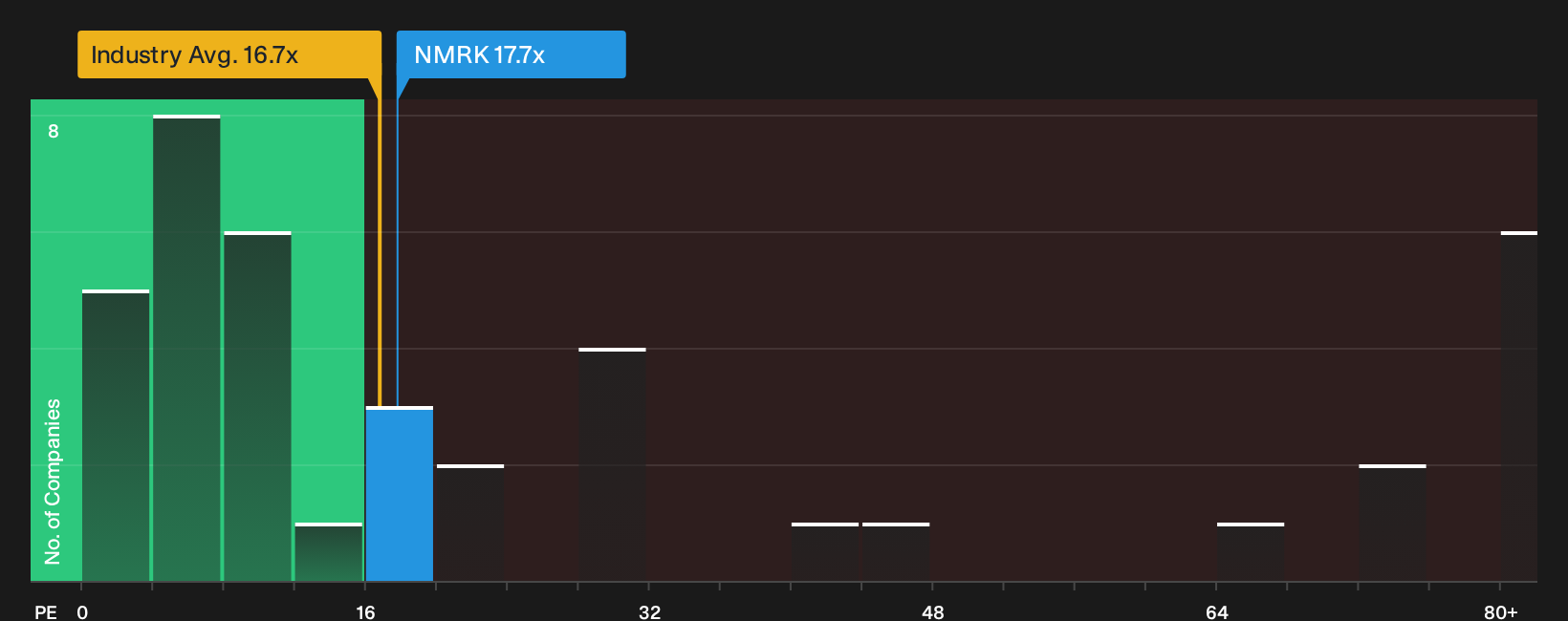
Overview: Newmark Group is a commercial real estate advisor that helps lenders, investors and owners handle capital markets deals, commercial mortgage brokerage, CMBS related debt advisory, loan sales and special servicing, as well as broader leasing, valuation, asset management and workspace solutions across the US and select international markets.
Operations: Newmark generates essentially all of its US$3.6b in revenue from Real Estate Services, with about US$3.1b coming from the United States and the remainder from the United Kingdom and other regions.
Market Cap: US$3.7b
Newmark Group gives you direct exposure to the parts of commercial real estate that can become busier when refinancing gets tougher, including debt advisory, loan sales, special servicing and complex recapitalizations such as the recent US$718.5 million SASB deal. Higher Treasury yields and potential CMBS distress could translate into more assignments across these areas. Management has been building recurring management and servicing fees and expanding valuation and advisory in Europe and Asia. At the same time, Newmark relies heavily on external borrowing and operates in rate sensitive sectors where transaction volumes and margins can come under pressure. For investors willing to weigh that trade off, the mix of distressed cycle opportunity, international buildout and leadership change may be worth a closer look.
Newmark Group’s growing mix of debt advisory, special servicing and international expansion could be masking where the real upside sits. Drill into the 4 key rewards and 2 important warning signs
CoStar Group (CSGP)
Overview: CoStar Group provides commercial and residential real estate data, analytics and online marketplaces that help lenders, brokers, asset managers and CMBS participants understand property values, lease terms and transaction activity, especially when distress and refinancing risk rise.
Operations: CoStar Group generates about US$1.9b from Commercial Real Estate services and about US$1.7b from Residential Real Estate.
Market Cap: US$13.0b
CoStar Group gives you exposure to the information layer of commercial real estate distress rather than the servicing fee pool itself. As refinancing gets harder and CMBS delinquencies climb, more lenders, servicers and investors may lean on CoStar’s data, marketplaces and new Zonda construction analytics to price risk and source deals. At the same time, margins have come under pressure and the company is spending heavily on areas like Homes.com and AI, so earnings can be choppy if those bets take longer to pay off. For investors who want a scaled, data rich way to participate in rising CRE stress without owning a direct special servicer, CoStar’s mix of growth ambitions and profitability risk warrants a closer look.
CoStar Group’s heavy spending on Homes.com and AI could be masking an information edge in rising CRE stress. See how the story looks through fresh forecasts in the analyst forecasts for CoStar Group

Seeking Alternatives Beyond CMBS Stress?
Fresh ideas move first. By the time every headline catches the breakout, the best entry points can be gone. Scan these under the radar lists while it matters and act promptly.
- Spot dependable income candidates and stress test your yield watchlist against the curated 11 dividend fortresses before those payouts get fully priced in by the crowd.
- Track where AI profits already show up in the numbers and size up the curated 74 profitable AI stocks that aren't just burning cash before momentum starts accelerating.
- Hunt for potential inflation hedges and real asset leverage with the focused 35 elite gold producer stocks while these producers remain under the radar.
This article by Simply Wall St is general in nature. We provide commentary based on historical data and analyst forecasts only using an unbiased methodology and our articles are not intended to be financial advice. It does not constitute a recommendation to buy or sell any stock, and does not take account of your objectives, or your financial situation. We aim to bring you long-term focused analysis driven by fundamental data. Note that our analysis may not factor in the latest price-sensitive company announcements or qualitative material. Simply Wall St has no position in any stocks mentioned.
Have feedback on this article? Concerned about the content? Get in touch with us directly. Alternatively, email editorial-team@simplywallst.com