
Stop chasing US tech giants! Pimco fund managers, which outperformed 97% of their peers, turned their bets on Asian AI winners
The Zhitong Finance App learned that one of the top fund managers under Pacific Investment Management Company (Pimco) is betting that the next batch of winners of the artificial intelligence (AI) boom will appear in addition to large crowded US technology stocks and invest in Asian equipment suppliers, Chinese financial stocks, and healthcare stocks instead.
Fund manager Emmanuel Sharef is responsible for managing Pimco's flagship product, the 60/40 Balanced Income and Growth Fund. According to the data, this fund, which is close to $19 billion, has outperformed similar funds by 97% in the past three years. Emmanuel Sharef said that as soaring AI spending pushes up debt burdens and makes corporate profit prospects more uncertain, the appeal of many large US tech companies has declined.
Emmanuel Sharef said in an interview earlier this week: “Currently, we are under-equipped with most hyperscalers (hyperscalers), and also under-rated most of the companies in the 'Big Seven' because they are highly valued.” “You don't necessarily need to hold the highest-valued stocks to capture a particular topic or market trend.”
The fund uses a systematic strategy based on value, quality, momentum, and growth when selecting individual stocks. Despite this, this adjustment still reflects Wall Street's growing doubt that high valuations and soaring AI spending will be sufficient to support the further rise in the stock market. As geopolitical tensions, rising oil prices, and stubborn inflation put pressure on the market, some investors are turning to less valued sectors to seek returns.
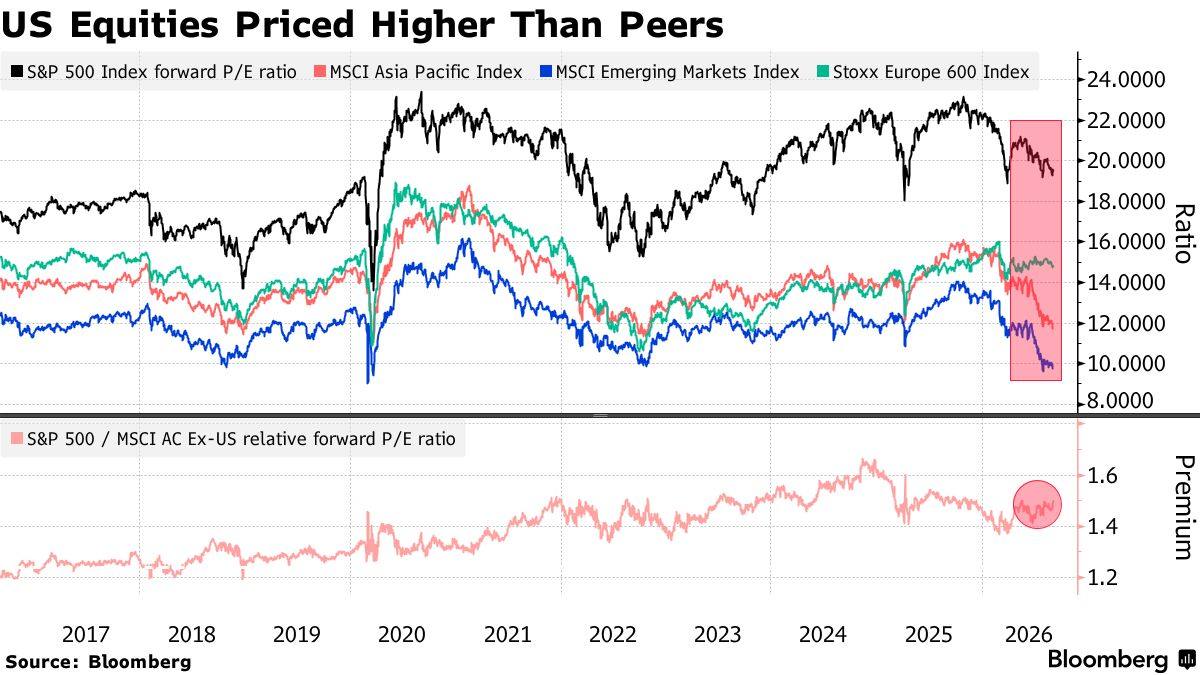
Emmanuel Sharef said that currently, Pimco is still oversuited to the Asian market due to the strong profit growth of Asian companies and its exposure to companies further downstream in the AI supply chain. He expects this investment belief to continue as long as profit growth remains strong.
He said, “The scale of AI capital expenditure expansion is huge. This means there will be huge demand for semiconductor chip components, cooling equipment, cable interconnects, optical equipment, power supplies, construction equipment, metals, and everything else needed to build data centers.”
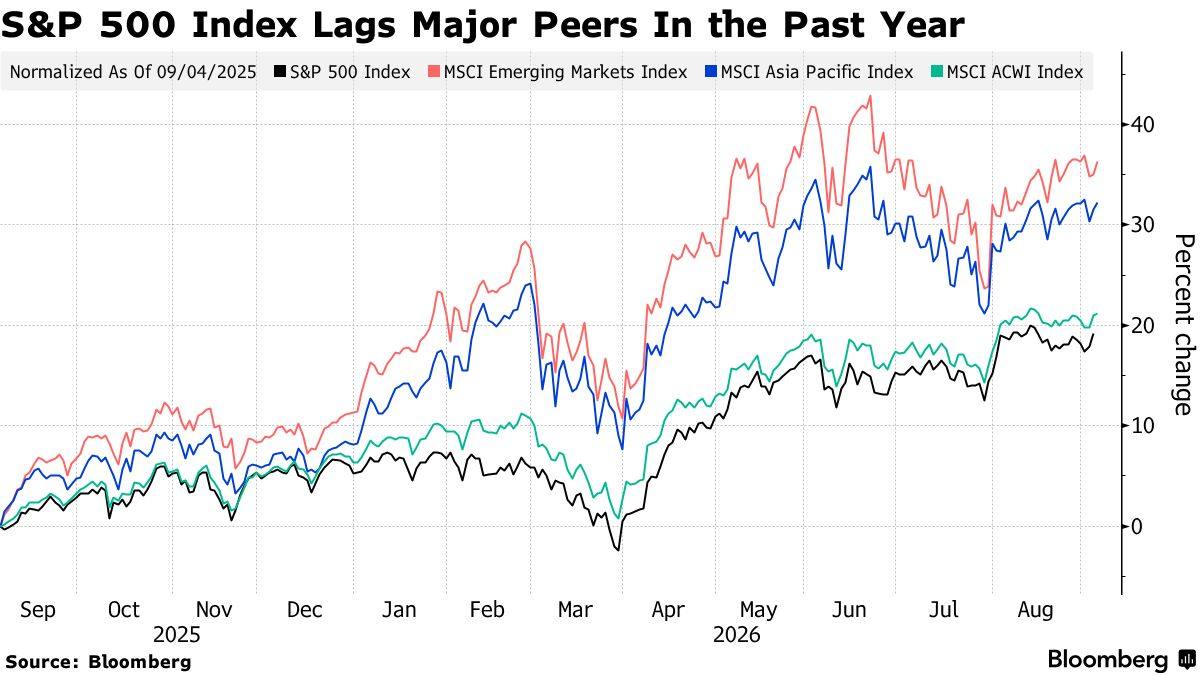
The fund is also optimistic about the biotech and life sciences sectors. Pimco has been steadily increasing its investment exposure to this sector over the past 18 months or so. Emmanuel Sharef said, “Part of the increase in profit expectations reflects an increase in mergers and acquisitions in the industry, as large biotech companies have been trying to diversify their drug development pipelines. Given the development of the AI field, it is possible to cure more types of diseases in the future by applying this technology.”
In China, the fund's biggest industry exposure is financial stocks, mainly due to the relatively low volatility of financial stocks. He also has a positive attitude towards materials stocks. The MSCI China Materials Index has risen about 7.1% over the past month, outperforming most major industry sectors. With the rise in gold and copper prices, this sector, which has been underperforming since this year, has transformed into one of the leading sectors in the market. Emmanuel Sharef said, “Whether it's data center construction or rare earths, China's resource extraction and materials companies are of great importance.”