
MercadoLibre Stock And 2 Digital Trade Platforms Worth Watching
Global trade is being quietly rewired as policymakers debate whether to strengthen or fragment the system, and that tug of war matters for every investor who cares about where the next US$3t of potential GDP and 18% export swing could land. Miss it and you may overlook platforms that help money and goods cross borders. Keep reading to see how three digital trade infrastructure stocks in this screener tie into that story, and where the current set of catalysts might reward or punish patience.
The three stocks in this article are only a small sample of the opportunities linked to global digital trade infrastructure, and the full screen surfaced 59 more companies with equally compelling narratives that are not covered here. If you want to quickly sort through that broader universe, head straight to the Global Digital Trade Infrastructure Platforms screener to identify, analyze, and prioritize your highest conviction ideas.
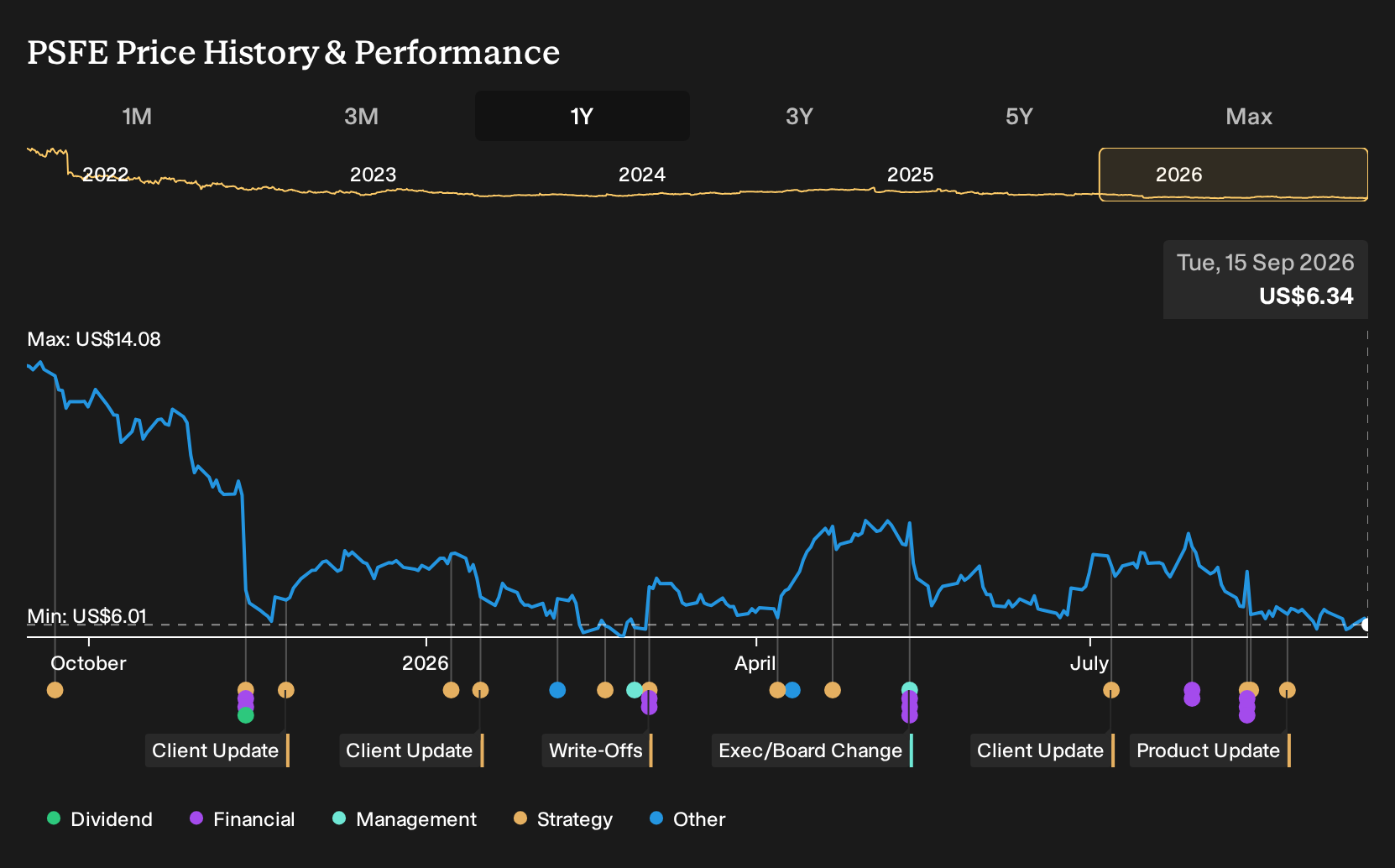
Paysafe (PSFE)
Overview: Paysafe is a global payments group that processes online transactions, runs digital wallets, and supports cross-border merchant services.
Operations: Paysafe generates about US$932 million from Merchant Solutions and US$849 million from Digital Wallets, with a small intersegment offset.
Market Cap: US$341 million
Paysafe matters for this screener because it directly moves money for merchants and consumers across borders, so any shift in global trade rules can quickly ripple through its payment volumes, wallet activity, and demand for alternative ways to pay.
"Rapid expansion of new products and digital wallet solutions (such as PagoEfectivo in Peru) demonstrates Paysafe's ability to meet localized and evolving consumer payment preferences, positioning the company to capture accelerating digital commerce growth across emerging markets, which could drive higher future revenue and improved transaction volumes."
What ultimately happens to profitability will hinge on how one unseen pressure shapes the balance between payment volumes and financing costs.
That tipping point on volumes versus funding costs is exactly what the full narrative for Paysafe unpacks, including how Paysafe could accelerate if those pressures start to decouple.
MercadoLibre (MELI)
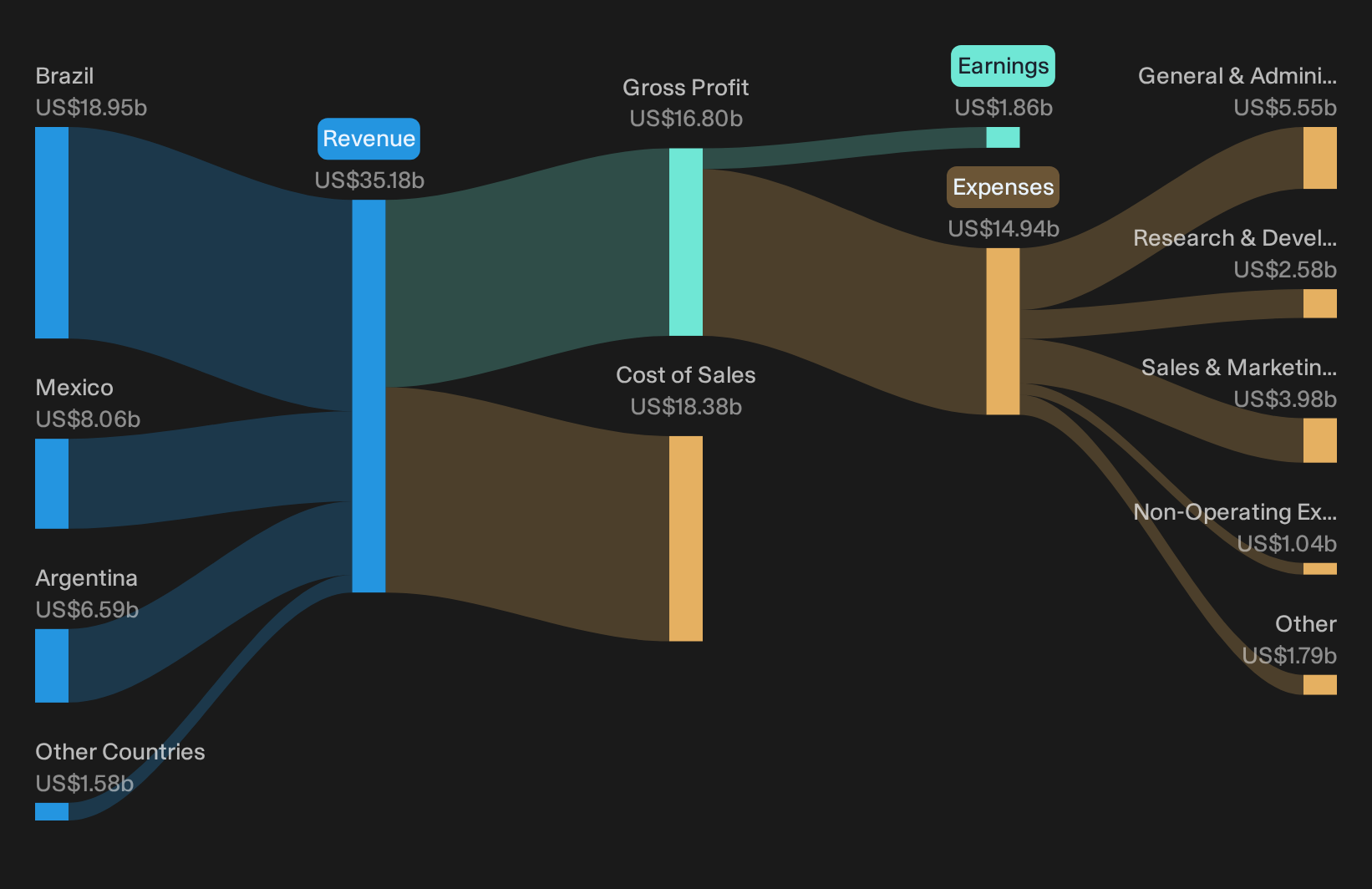
Overview: MercadoLibre runs a Latin American online marketplace and fintech ecosystem that connects buyers, sellers, and payments across multiple countries.
Operations: The business generates about US$35.2b from internet software and services, mainly in Brazil, Mexico, Argentina, and other Latin American markets.
Market Cap: US$96.3b
MercadoLibre matters for this digital trade screen because it does not just host online shopping, it also handles the money flows and settlement that keep cross-border transactions moving across Latin America.
"Mercado Pago's assets under management reached $23 billion, up 68% year over year. Assets per user rose 29%."
Future profitability will depend on whether that growing financial footprint eventually supports operating leverage or continues to put pressure on margins.
That margin question is exactly what the full narrative for MercadoLibre unpacks, separating short term pressure from the point where MercadoLibre’s flywheel could really start accelerating.
Rakuten Group (TSE:4755)
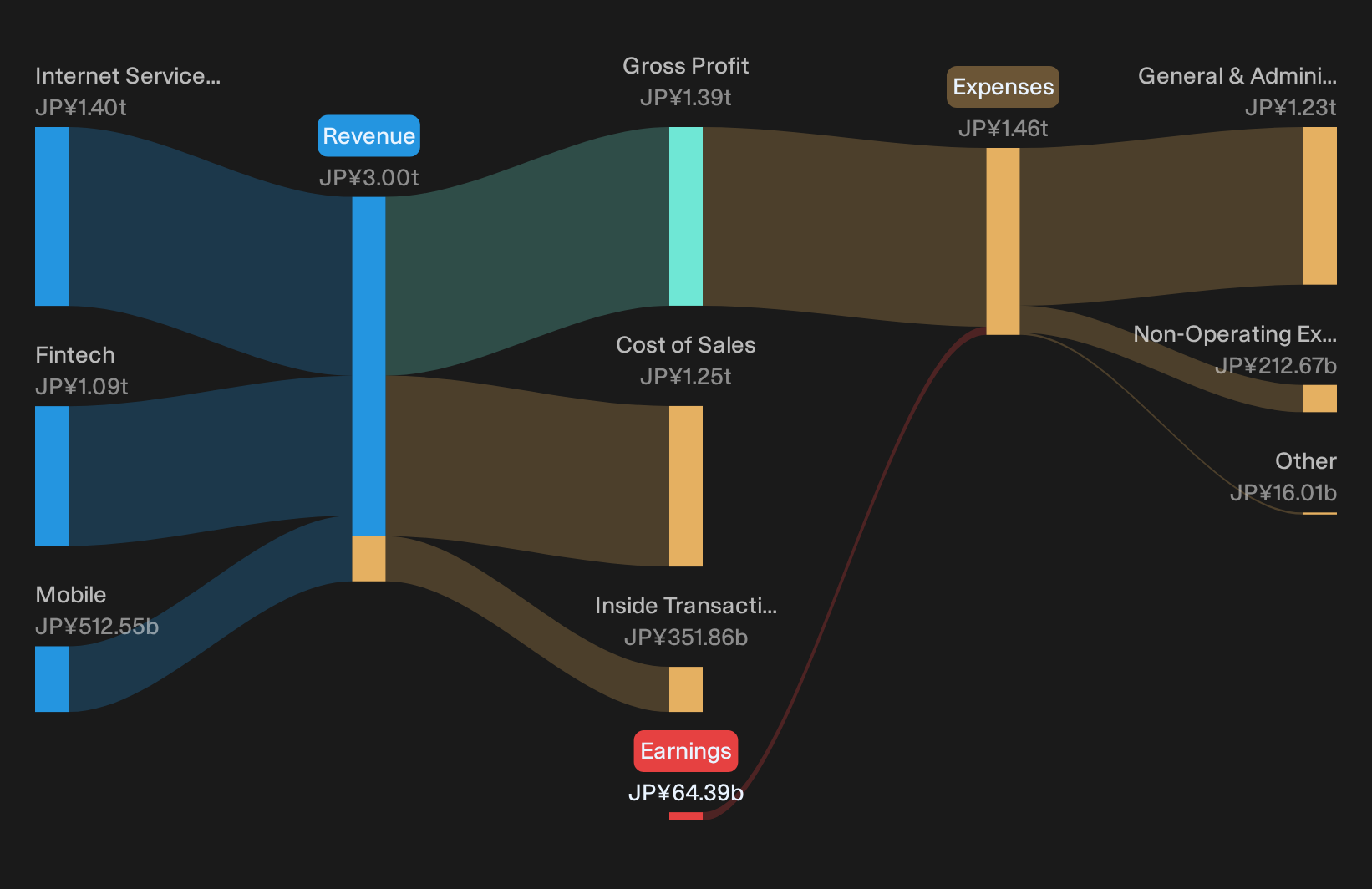
Overview: Rakuten Group runs a global ecosystem of online marketplaces, fintech services, and mobile networks that link digital shoppers and payments.
Operations: Rakuten Group generates about ¥1.40t from Internet Services, ¥1.09t from Fintech, and ¥0.51t from Mobile, partially offset by internal eliminations.
Market Cap: ¥1,600.7b
For a theme built around digital trade infrastructure, Rakuten Group matters because its e-commerce, payments, and mobile services help move money and merchandise across borders inside a single, tightly connected ecosystem.
"AI-driven operational efficiencies, targeting a 31% reduction in customer support costs, are expected to improve net margins by boosting profitability across Rakuten's operational segments."
The degree to which that ecosystem effect interacts with ongoing pressures on cross-border demand and financing costs will influence how much of that efficiency is ultimately retained.
As that plays through the system, the full narrative for Rakuten Group shows where efficiencies could accelerate cash generation, highlight overlooked risks, and change how investors frame Rakuten Group.
Curious About Fresh Market Alternatives
New themes keep breaking out while older ideas lose momentum and get caught by the crowd. Scan fresh candidates under the radar for now and get in early.
- Spot income workhorses with staying power by scanning the 6 dividend fortresses before yields start dropping as more investors pile into the same tickers.
- Chase real-world AI momentum by tracking the 76 profitable AI stocks that aren't just burning cash that already generate cash instead of burning it while valuations are still catching up.
- Position ahead of the next infrastructure upgrade cycle by reviewing the 38 power grid technology and infrastructure stocks quietly building the backbone for higher electricity demand worldwide.
This article by Simply Wall St is general in nature. We provide commentary based on historical data and analyst forecasts only using an unbiased methodology and our articles are not intended to be financial advice. It does not constitute a recommendation to buy or sell any stock, and does not take account of your objectives, or your financial situation. We aim to bring you long-term focused analysis driven by fundamental data. Note that our analysis may not factor in the latest price-sensitive company announcements or qualitative material. Simply Wall St has no position in any stocks mentioned.
Have feedback on this article? Concerned about the content? Get in touch with us directly. Alternatively, email editorial-team@simplywallst.com