
Duolingo (DUOL) Stock May Be 50% Undervalued Following Its Cash Flow Test
Duolingo has seen its share price under pressure over the past year, and that slide now puts a sharper spotlight on whether the current US$153.92 level lines up with the cash the business is expected to generate. For anyone tracking Duolingo stock, the real issue is no longer just the chart; it is whether the cash flow story justifies where the market has landed today.
- The share price has fallen 45.2% over the past year, which raises the question of how much of Duolingo's cash flow outlook is already being discounted into today's value.
- Recent analysis highlighting that cash generation has held up puts more weight on how durable Duolingo's monetisation model and cost discipline can be over time.
- Prefer to judge Duolingo on earnings? See why Duolingo's 17.5x P/E tells a different valuation story.
The issue now is whether Duolingo's current market price is supported by the cash flows implied by its intrinsic value estimate.
If you are weighing Duolingo's cash flow story against its recent 45.2% share price decline, it can help to compare it with other 34 high quality undervalued stocks.
Is Duolingo a Bargain on Cash Flow?
The Discounted Cash Flow (DCF) approach here looks at the cash Duolingo is expected to generate for shareholders over time. On the latest twelve month numbers, the business produced Free Cash Flow of about $400.4 million, and the model assumes that this pool of cash continues to grow rather than shrink over the coming decade.
Those projections feed into a DCF outcome that sits substantially above the current $153.92 share price, which means the market is asking you to pay less than what the cash flow profile suggests. Despite recent commentary highlighting that Duolingo stock may be 48% undervalued as cash flow holds up, the sharp price drop implies investors are still cautious about how reliable that monetisation and cost base will be in practice. If you want to see how that gap between price and estimated worth is calculated, you can explore the full inputs and assumptions in the model. Find out what Duolingo could be worth using our Discounted Cash Flow (DCF) estimate.
The Duolingo Narrative: What Would Justify Today's Price?
Simply Wall St Narratives for Duolingo pick up where this valuation puzzle leaves off. They spell out which future paths for Duolingo's growth, margins and earnings would need to play out for the stock to trade meaningfully above or below today's level, and each one links its number to a clear view on how growth, profitability and risks evolve over time that you can revisit as fresh information comes through.
The Duolingo community splits into two clear camps that read the same data and reach very different conclusions on value.
Bull case: 43% undervalued
"By keeping the free tier engaging, Duolingo is defending against AI competitors like ChatGPT..."
Discover why this Narrative puts Duolingo at 43% undervalued.
Bear case: 21% overvalued
"Intensifying competition from both AI-powered language tools and specialized, integrated offerings from large tech firms, combined with commoditization of language learning due to AI advancements, threatens Duolingo's pricing power and could exert downward pressure on net margins..."
Explore why this Narrative puts Duolingo at 21% overvalued.
One more Duolingo signal that could change how you see the stock
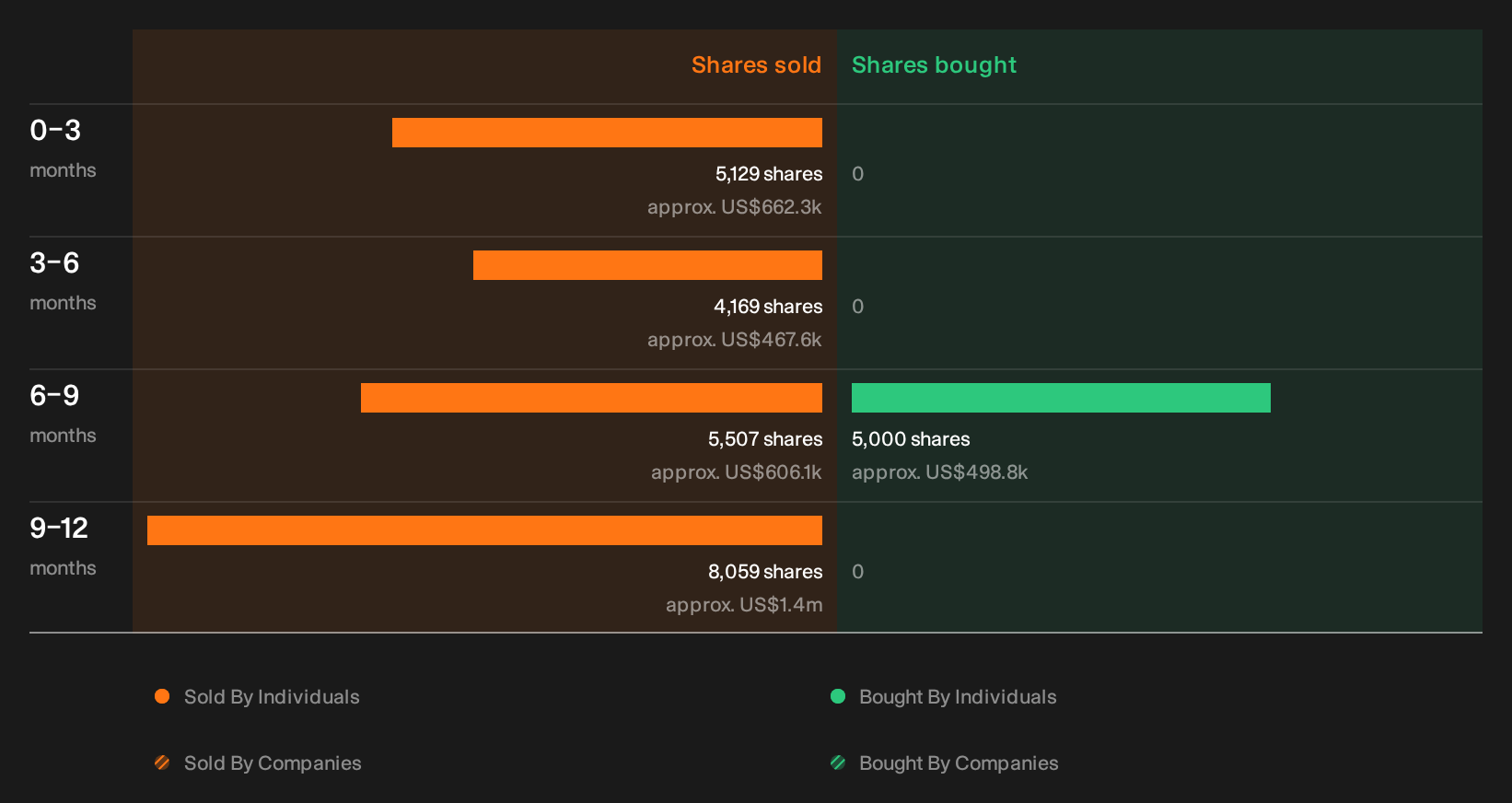
Before you lean too hard on any valuation story for Duolingo, it is worth knowing that recent insider share sales have been picked up by our checks, with the individuals, sizes and possible read-throughs still for you to unpack. See the recent insider selling flagged for Duolingo.
This article by Simply Wall St is general in nature. We provide commentary based on historical data and analyst forecasts only using an unbiased methodology and our articles are not intended to be financial advice. It does not constitute a recommendation to buy or sell any stock, and does not take account of your objectives, or your financial situation. We aim to bring you long-term focused analysis driven by fundamental data. Note that our analysis may not factor in the latest price-sensitive company announcements or qualitative material. Simply Wall St has no position in any stocks mentioned.
Have feedback on this article? Concerned about the content? Get in touch with us directly. Alternatively, email editorial-team@simplywallst.com