
Does Earnings Outlook Upgrade Change The Bull Case For Henry Schein Stock?
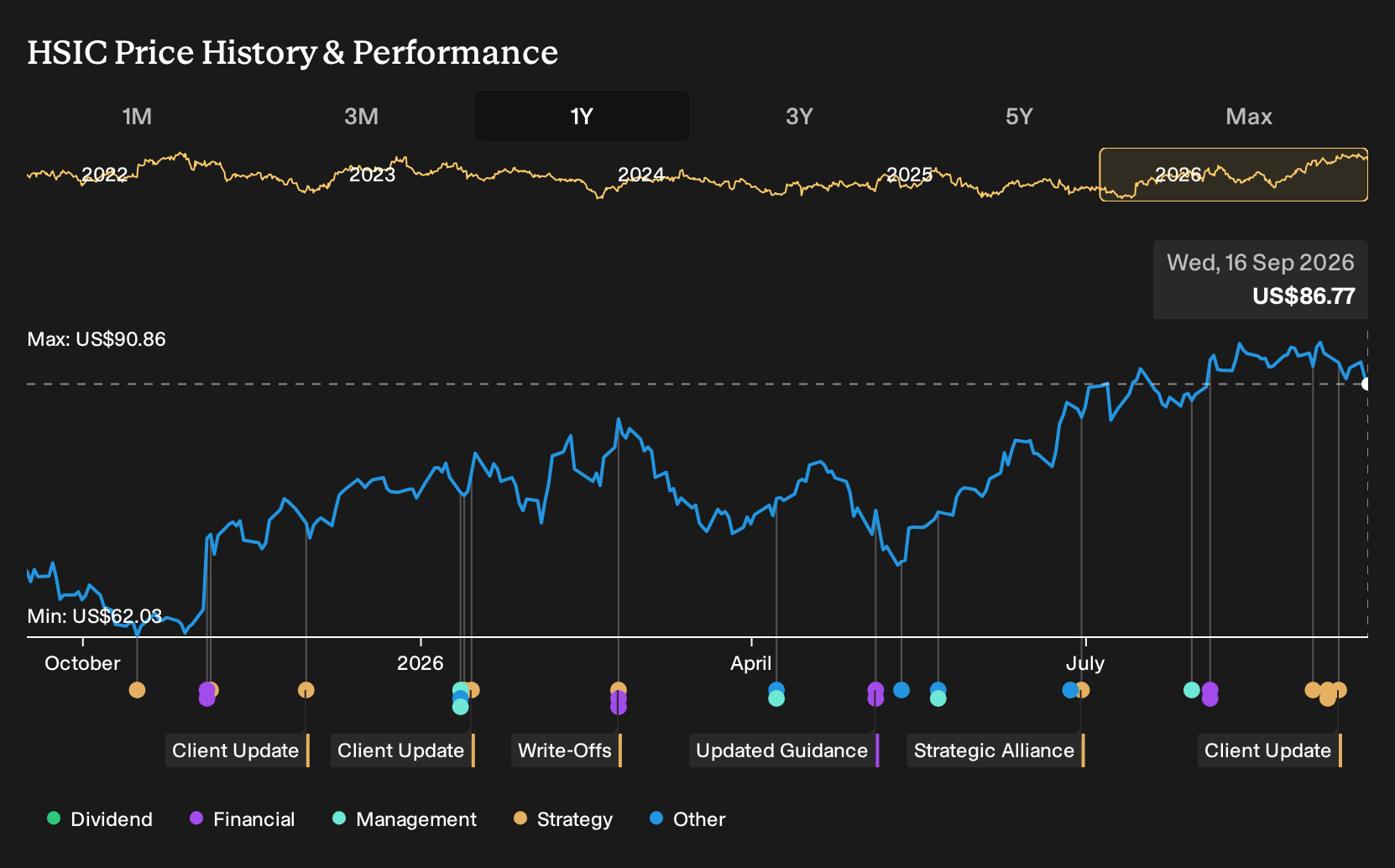
- Applied BioCode previously announced a U.S. distribution deal with Henry Schein for its high throughput BioCode MDx-3000 molecular diagnostics platform. Recent FDA enforcement reports highlighted packaging and instructions issues behind voluntary recalls of certain dental restorative and temporary resin products distributed worldwide.
- The combination of expanded access to advanced lab testing technology and the operational burden of managing product recalls provides a clear view of Henry Schein’s mix of growth initiatives and quality control responsibilities in its core clinical and dental markets.
- This article examines how Henry Schein’s investment narrative evolves as expanded molecular diagnostics distribution intersects with recent recall-driven operational scrutiny.
Scan how Henry Schein’s push into molecular diagnostics compares with other healthcare distributors that screen well on quality and balance sheets by checking the hand picked list of solid balance sheet and fundamentals (22 results) in this space.
Henry Schein Investment Narrative Recap
To own Henry Schein, you need to believe the shift toward higher margin segments, technology, and lab diagnostics outweighs pressure in core dental distribution. The Applied BioCode deal supports that view by extending a more specialized diagnostics offering into Henry Schein’s hospital and reference lab channels, without changing the basic story around modest revenue growth and efficiency gains.
The near term swing factor still looks like execution on cost savings and mix improvement while keeping customers loyal despite competitive pricing. Recent packaging related recalls add operational noise and some brand scrutiny but, given their limited scale, do not appear to change the central risk that margin compression lingers longer than expected.
The Applied BioCode distribution agreement is the clearest operational link to the current catalyst setup. Henry Schein is trying to tilt more earnings toward specialty products and tech enabled solutions, and the MDx-3000 platform fits that playbook by deepening ties with higher complexity clinical labs that tend to be stickier and more service intensive customers.
For you as an investor, the key question is whether Henry Schein can integrate this diagnostics push while also tightening quality controls around recalled dental materials and temporary resins. Stronger execution here could support the margin uplift analysts expect, while any further quality slip would add cost, distraction, and potentially blunt the benefit of new higher value revenue streams.
Henry Schein's narrative projects US$15.4b revenue and US$661.2m earnings by 2029. This assumes 4.2% yearly revenue growth and an earnings increase of about US$258m from US$403.0m today.
Uncover why Henry Schein's fair value indicates a 12% potential upside to its current price that may not last much longer.
Exploring Other Perspectives
Pessimistic analysts focus less on pricing pressure and more on execution risk inside Henry Schein's big cost and outsourcing program. They were already modeling slower progress, with revenue at about US$15.1b and earnings near US$637.3m by 2029. The new diagnostics deal and fresh recall headlines could nudge those expectations in either direction. Explore both sides before you decide where you stand.
Explore another Henry Schein fair value estimate, including one that suggests it could be worth just $97.56.
The Verdict Is Yours
Disagree with existing narratives? Extraordinary investment returns rarely come from following the herd, so go with your instincts.
- A great starting point for your Henry Schein research is our analysis highlighting 2 key rewards and 1 important warning sign that could impact your investment decision.
- See our latest analysis for Henry Schein. The report includes a comprehensive fundamental analysis summarized in a single visual, the Snowflake, making it easy to evaluate Henry Schein's overall financial health at a glance.
Looking For More Investment Ideas Beyond Henry Schein?
If Henry Schein's setup has sharpened your thinking about quality, growth, and risk, it can be useful to compare that view with other companies that clear a similar bar for fundamentals. The Simply Wall St Screener lets you quickly filter for businesses that match the type of balance sheet strength, income potential, or upside profile you want to focus on next.
- If capital preservation sits high on your list, start by scanning a group of companies flagged as more resilient using the 11 resilient stocks with low risk scores.
- For investors hunting for mispriced opportunities with solid underlying businesses, line up potential ideas through the 33 high quality undervalued stocks.
- If you prefer income to do more of the work for you, narrow the field to companies with higher yields and sturdier payout profiles using the 6 dividend fortresses.
This article by Simply Wall St is general in nature. We provide commentary based on historical data and analyst forecasts only using an unbiased methodology and our articles are not intended to be financial advice. It does not constitute a recommendation to buy or sell any stock, and does not take account of your objectives, or your financial situation. We aim to bring you long-term focused analysis driven by fundamental data. Note that our analysis may not factor in the latest price-sensitive company announcements or qualitative material. Simply Wall St has no position in any stocks mentioned.
Have feedback on this article? Concerned about the content? Get in touch with us directly. Alternatively, email editorial-team@simplywallst.com