
PG&E (PCG) Stock Looks Above Fair Value On Its 37% Five Year Run
PG&E Corporation has seen its share price fall recently, and that slide raises a direct question for income focused investors about how well the current valuation lines up with the utility's dividend stream. With a Dividend Discount Model (DDM) estimate available, the issue is whether the price near US$13 still makes sense when you only look at the cash PG&E may return to shareholders over time.
- Over the past 5 years, PG&E has delivered a share price gain of 36.5%, which puts real weight on whether the dividend outlook still underpins the current market value.
- New projects such as community microgrids and the Google backed SHARE virtual power plant can influence future capital spending and cash generation, which in turn may shift what investors should expect from PG&E's dividend stream over the long run.
- If you'd rather focus on earnings, this one's for you. See why PG&E's 9.6x P/E tells a different valuation story.
The stock's next move may depend on whether PG&E's current price is adequately supported by the dividend stream implied by the intrinsic value estimate.
If you are weighing whether PG&E's dividend stream still justifies the current share price, it can help to compare that same question across 29 high quality undervalued stocks.
Is PG&E Getting Expensive on Dividends?
The Dividend Discount Model looks at what PG&E might pay out to you in dividends over time and then compares that stream to today’s share price. PG&E currently pays an annual dividend per share of $0.3395, with the model assuming dividend growth capped at 3.7% a year and an expected earnings growth rate of 8.181%. That combination implies management is retaining most earnings to reinvest, given the payout ratio of 7.317% and a return on equity of 8.826%.
On those inputs, the DDM projections put PG&E's estimated intrinsic value substantially below the current share price of $13.38. This suggests the market is asking you to pay a premium for the utility’s future earnings and reinvestment plans rather than its near term dividend stream. The push into community microgrids through new grant funded projects helps explain why cash kept inside the business matters so much in this story, since it can tie up capital that might otherwise flow out as higher dividends. That tension between infrastructure spending and shareholder payouts is what the valuation model is flagging for income focused investors today. Find out what PG&E could be worth using our Dividend Discount Model (DDM) estimate.
The PG&E Narrative: What Would Justify Today's Price?
Simply Wall St Narratives pick up where PG&E's valuation puzzle leaves off by spelling out what would need to happen to its growth, margins and earnings for the stock to be worth significantly more or less than today’s price on the Community page. Rather than leaning on a single multiple or model output, each scenario lays out the key drivers behind its view of fair value so you can compare those assumptions with PG&E's actual results as they arrive.
One of the top community narratives on PG&E: 32% undervalued
"Sustained and accelerating demand for electricity driven by large-scale data center and technology sector growth in California reflected in PG&E's 10 gigawatt data center development pipeline..."
Discover why this Narrative puts PG&E at 32% undervalued.
One more PG&E question that could matter just as much as valuation
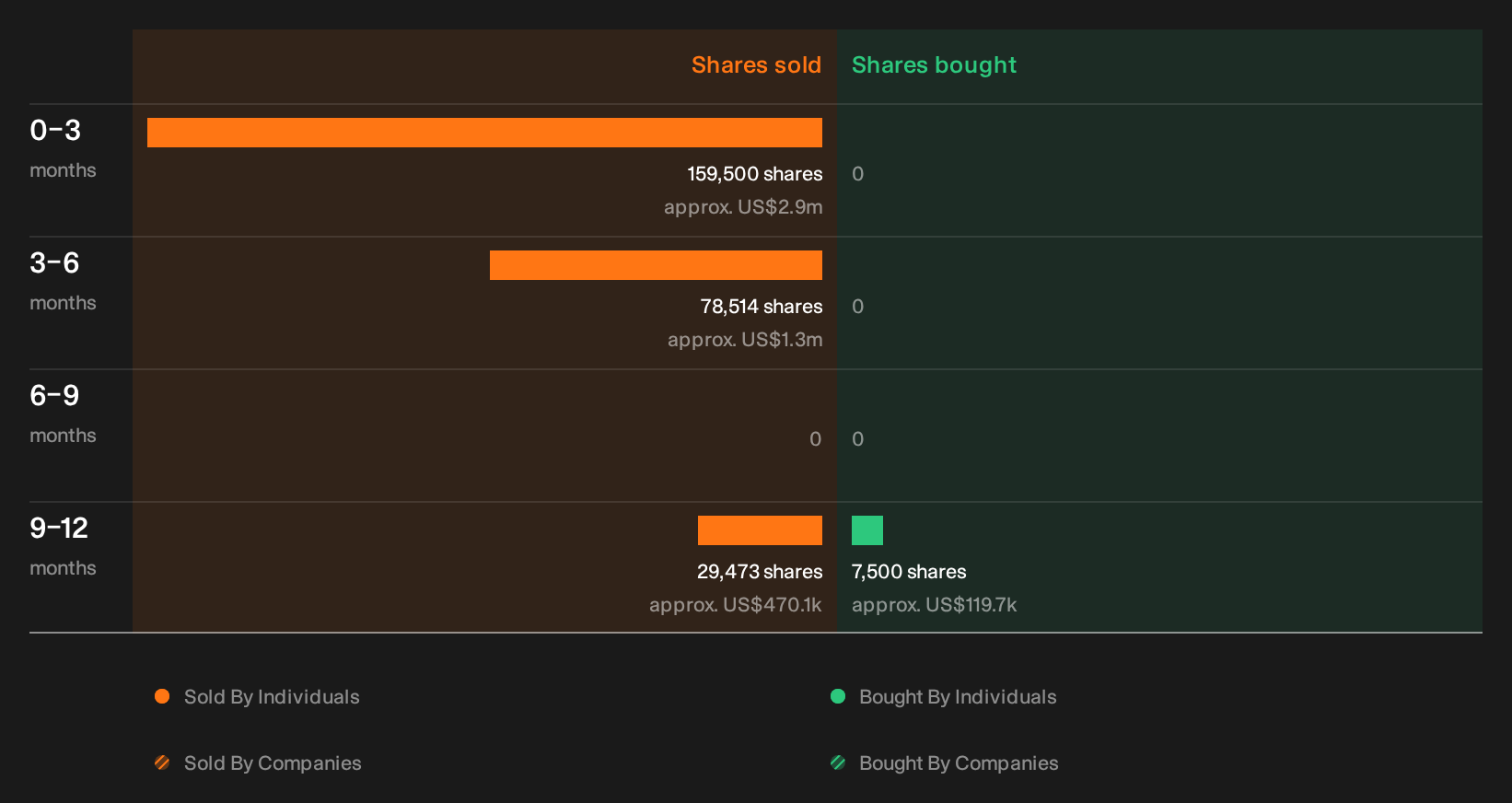
Price and dividends tell only part of the PG&E story. Recent transaction checks point to stock sales by people inside the business, leaving the details and potential meaning for you to sift through. See the recent insider selling flagged for PG&E.
This article by Simply Wall St is general in nature. We provide commentary based on historical data and analyst forecasts only using an unbiased methodology and our articles are not intended to be financial advice. It does not constitute a recommendation to buy or sell any stock, and does not take account of your objectives, or your financial situation. We aim to bring you long-term focused analysis driven by fundamental data. Note that our analysis may not factor in the latest price-sensitive company announcements or qualitative material. Simply Wall St has no position in any stocks mentioned.
Have feedback on this article? Concerned about the content? Get in touch with us directly. Alternatively, email editorial-team@simplywallst.com