
3 US Stocks Tied To Nearshoring As Tariffs Reshape Retail Supply Chains
Tariffs on Indian exports are quietly reshaping how US retailers source their shelves, pushing many toward nearshoring and alternative hubs such as Mexico, Vietnam and Bangladesh. That disruption creates risk for companies locked into old supply routes and potential openings for businesses already shifting their vendor mix. This article walks through three US stocks exposed to these trade shifts and explains why their sourcing choices could matter for your portfolio.
The stocks below are just a starting sample, and the full screen on Simply Wall St surfaced 11 more retailers and consumer companies with equally compelling sourcing stories that are not covered here.
Head straight into the Nearshoring and Alternative-Sourcing Retailers in the US screener to identify, compare and analyze which nearshoring and alternative sourcing plays best fit your own risk and return preferences.
Unifi (UFI)
Unifi is a textile inputs supplier that fits the nearshoring and alternative sourcing theme through its recycled and synthetic yarn operations across the Americas and Asia. The business generated about $287 million of revenue in the United States, $115 million in Brazil and $90 million in China, and has a market cap of about $124 million.
Unifi gives US retailers an option to source polyester and nylon yarn from multiple regions instead of leaning on India at a time when Indian exports face persistent tariff pressure. The company’s broad footprint across the Americas and Asia positions it directly in the flow of supply chain reshoring and could meaningfully influence how much pricing power sits with suppliers if a single unseen trade lever moves again.
If that trade lever shifts again, read the DCF valuation analysis for Unifi to see how Unifi’s reshoring exposure could be masking where the real upside or downside sits.
AutoZone (AZO)
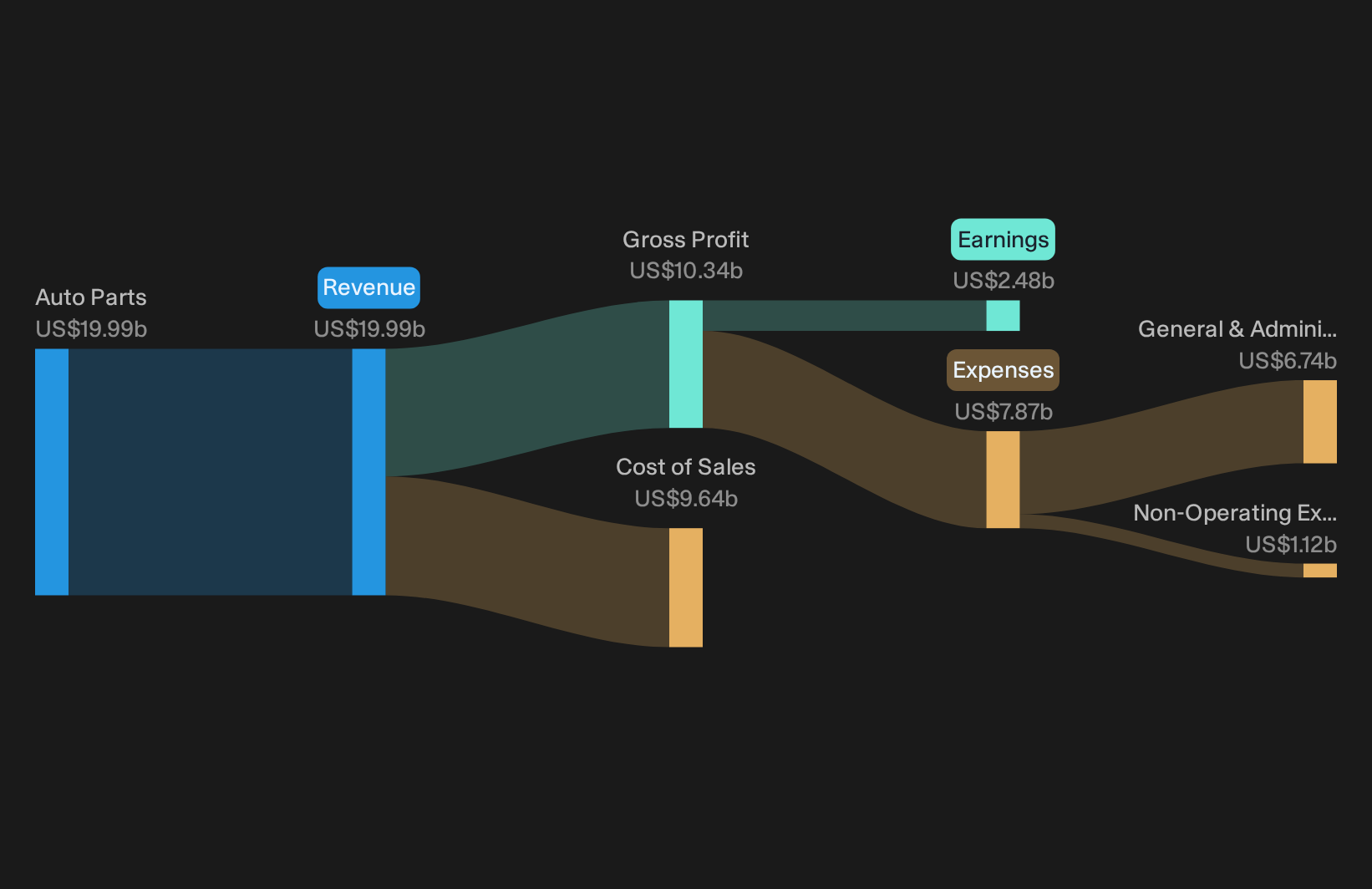
AutoZone runs more than 8,000 auto parts stores across the US, Mexico and Brazil, selling a wide range of replacement parts, fluids and accessories. It generates around US$20b of sales from auto parts and has a market value near US$46.4b, giving it clear scale for nearshoring-led sourcing shifts.
AutoZone already sources some parts from Mexico and operates 1,001 stores there, which directly fits the nearshoring theme as US tariffs on Indian auto components hover at 25%. That cross-border footprint can help steady margins if one unseen trade lever moves again.
That cross border footprint can also be stress tested through the 3 key rewards and 2 important warning signs (1 is major!) to see whether AutoZone’s sourcing shift is amplifying upside or quietly capping it.
O'Reilly Automotive (ORLY)
O'Reilly Automotive plugs directly into the nearshoring and alternative sourcing theme through its store footprint across the US, Puerto Rico, Mexico and Canada. This gives it multiple routes to keep shelves stocked when tariffs or trade rules shift.
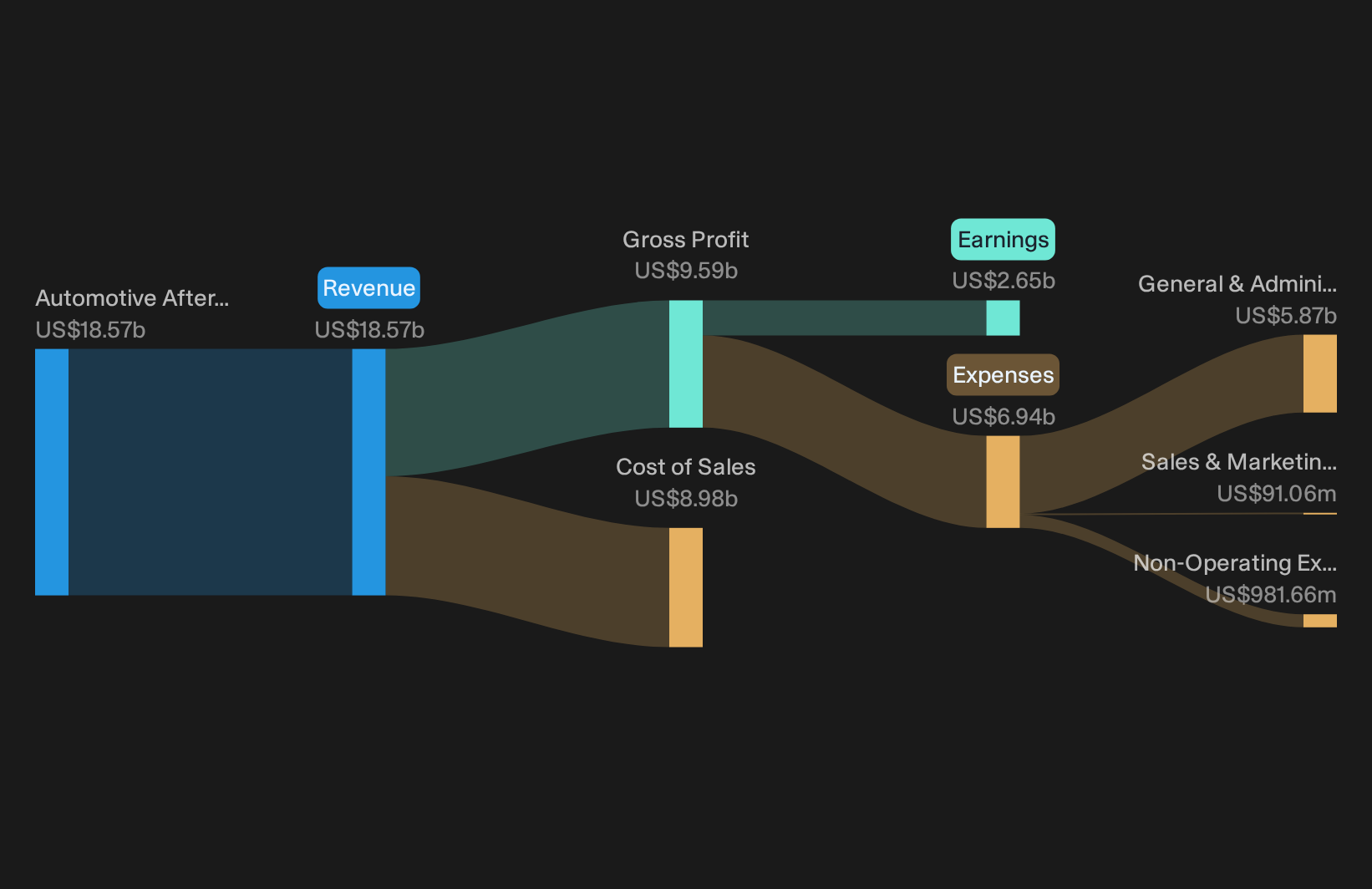
O'Reilly Automotive runs a broad auto parts retail and wholesale network, generating about US$18.6b from automotive aftermarket parts and related products, and carries a market value near US$68.7b.
"O'Reilly's strategic emphasis on inventory and distribution capabilities, including a plan to increase average inventory per store by 5% in 2025, positions the company to maintain high availability and service levels, likely supporting revenue performance over time."
The key consideration for investors is how a single layer of tariff and sourcing pressure ultimately feeds through to pricing and margins.
That pressure on pricing and margins is exactly what the full narrative for O'Reilly Automotive unpacks, including where O'Reilly Automotive could be accelerating or where trade risks might still be masking value.
Seeking Fresh Alternatives Before They Fly
Markets move fast. Breakout stories gain momentum while laggards keep dropping, often before anyone notices. Use fresh, curated stock lists while it matters and get in early.
- Spot income workhorses that aim to keep paying while others get caught cutting. Start with a curated mix of 6 dividend fortresses built for staying power.
- Track potential breakout compounding machines that target growth with discipline. Scan a pre-filtered set of 30 resilient stocks with low risk scores before everyone else chases the momentum.
- Ride structural shifts in digital money early. Review under the radar 18 cryptocurrency and blockchain stocks while the crowd is still focused on yesterday's headlines and act now.
This article by Simply Wall St is general in nature. We provide commentary based on historical data and analyst forecasts only using an unbiased methodology and our articles are not intended to be financial advice. It does not constitute a recommendation to buy or sell any stock, and does not take account of your objectives, or your financial situation. We aim to bring you long-term focused analysis driven by fundamental data. Note that our analysis may not factor in the latest price-sensitive company announcements or qualitative material. Simply Wall St has no position in any stocks mentioned.
Have feedback on this article? Concerned about the content? Get in touch with us directly. Alternatively, email editorial-team@simplywallst.com