
Visa Stock And Payment Giants Facing Higher Consumer Credit Costs
Interest rates keep climbing, credit card APRs feel heavier, and every swipe now carries a little more weight. That pressure on household budgets could reshape where and how people pay, and which payment processors capture the flow. Investors watching this shift risk missing it if they look only at headline rate moves. This article walks through three stocks exposed to the latest Fed decision and how each might respond to higher consumer credit costs.
The stocks covered below are only a sample, since the full screen surfaced 20 more U.S. card networks and payment processors with equally compelling narratives that are not unpacked here.
If you want to go straight to the source and work through the full list yourself, use the U.S. Card Networks and Payment Processors Leveraging Higher Consumer Credit Costs screener to identify, analyze, and prioritize the ideas that best fit your thesis.
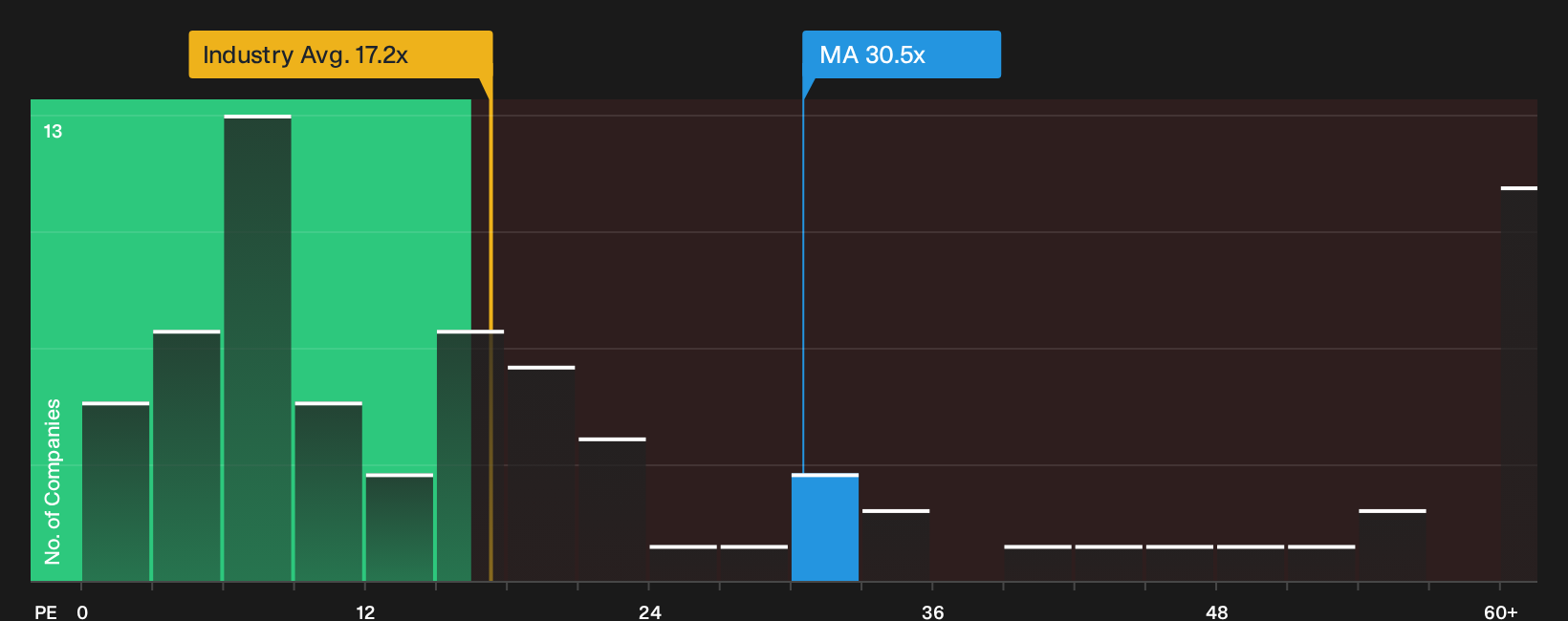
Mastercard (MA)
Overview: Mastercard runs a global payment network that processes electronic transactions and related services for banks, merchants, governments, and consumers worldwide.
Operations: Mastercard generated US$35.08b from Payment Solutions, with about US$15.05b from the Americas and US$20.03b from Asia Pacific, Europe, Middle East and Africa.
Market Cap: US$495.16b
Higher card APRs hit borrowers, not Mastercard directly. This is why this network-focused business matters for a screener built around transaction fees rather than lending risk.
"Mastercard isn't standing still while stablecoins reshape payments. It is building settlement infrastructure and tools for "agentic commerce" around them instead of fighting the trend."
What happens to Mastercard’s fee power if one quiet shift in how digital agents route payments changes where high-value transactions flow?
If that shift in routing is on your radar, read the full narrative for Mastercard to see how Mastercard’s fee engine could accelerate or stall as agents reshape flows.
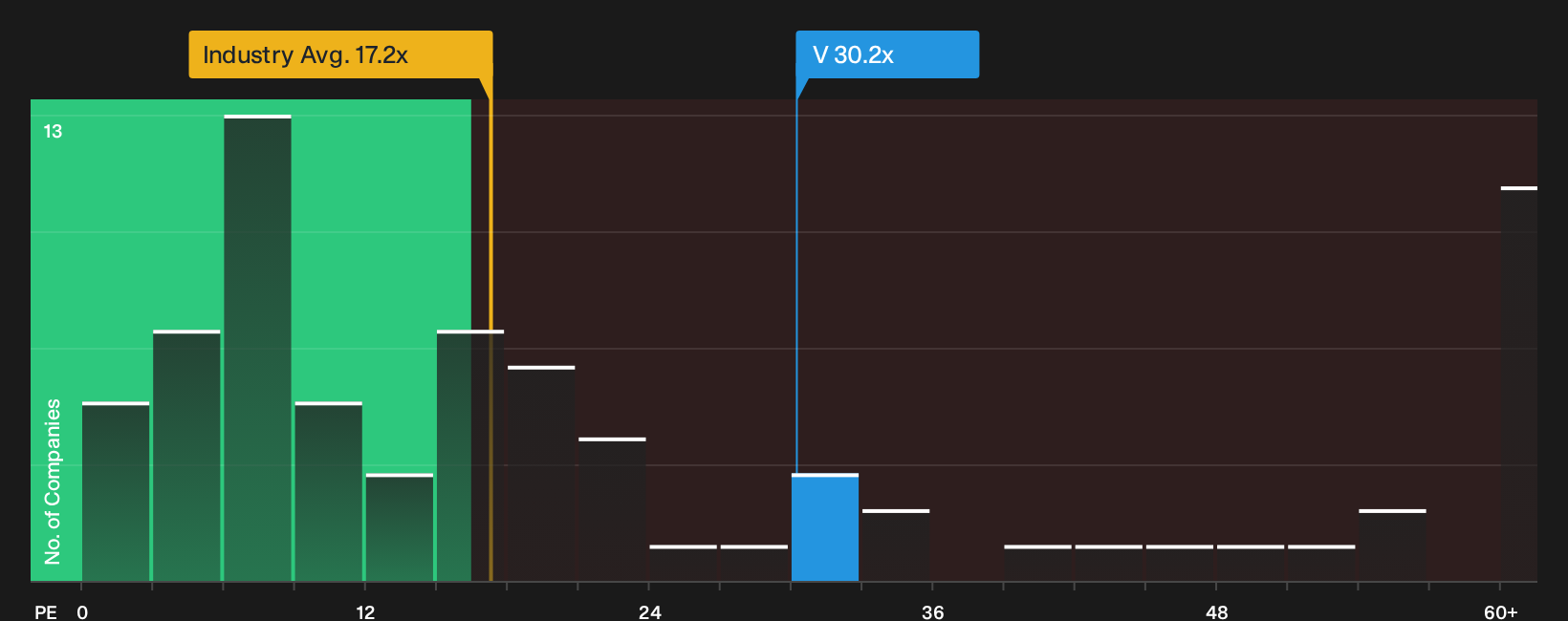
Visa (V)
Overview: Visa runs a global payment network that processes digital transactions and related services, earning fees on payment flows rather than interest.
Operations: Visa generated US$44.49b from Payment Services, with about US$27.44b from international markets and US$17.05b from the United States.
Market Cap: US$676.04b
Visa matters for this screener because higher consumer credit costs do not directly hit its balance sheet. However, they still influence how much travels across its rails and where higher value transactions concentrate.
"Rapidly accelerating adoption of value-added services (VAS), with VAS revenue up 26% year-over-year and expanding into areas such as AI, risk solutions, and open banking, is increasing Visa's mix of higher-margin business lines, which should lift net margins and improve overall earnings quality."
The real swing factor is what happens if a single pressure point quietly reshapes how cross border and high ticket payments are routed.
If that routing risk sits on your mind, read the full narrative for Visa to see how Visa’s VAS engine could accelerate while cross border flows quietly recut the map.
Marqeta (MQ)
Overview: Marqeta runs a cloud based, API driven platform that helps enterprises and fintechs issue cards and process payments without taking credit risk.
Operations: Marqeta generated about US$677 million from data processing, with roughly US$573 million in the United States and US$104 million from other regions.
Market Cap: US$1.6b
Marqeta matters in this screen because it earns processing and program fees every time cards on its platform are used, while issuer credit risk stays off its own balance sheet.
"Marqeta is positioned to capitalize on the rapid growth of global digital payments and the expansion of embedded finance as major enterprises and fintechs seek to launch new card-based offerings, driving sustained TPV and revenue growth through increasing adoption of its platform worldwide."
The real test for Marqeta’s upside is what happens if a single shift in how large clients structure programs changes its take rate trajectory.
If that inflection point interests you, read the full narrative for Marqeta to see how Marqeta’s platform economics could accelerate as embedded finance reshapes card issuing economics.

Seeking Fresh Alternatives Before They Fly
New themes can gain momentum quickly, and the sharpest entry points rarely stay under the radar for long. Scan fresh breakouts before the crowd notices and consider your options promptly.
- Explore durable income streams while yields still look appealing with a curated group of 7 dividend fortresses that aim to keep payouts coming even when sentiment swings.
- Identify early movers in next wave infrastructure and participate in the build out with 88 AI infrastructure stocks that may benefit as demand for AI capacity evolves.
- Target real-world demand for critical materials by tracking 17 top copper producer stocks positioned to align with potential trends in electrification and grid upgrades.
This article by Simply Wall St is general in nature. We provide commentary based on historical data and analyst forecasts only using an unbiased methodology and our articles are not intended to be financial advice. It does not constitute a recommendation to buy or sell any stock, and does not take account of your objectives, or your financial situation. We aim to bring you long-term focused analysis driven by fundamental data. Note that our analysis may not factor in the latest price-sensitive company announcements or qualitative material. Simply Wall St has no position in any stocks mentioned.
Have feedback on this article? Concerned about the content? Get in touch with us directly. Alternatively, email editorial-team@simplywallst.com