
3 U.S. Affordable Rental Housing REITs Facing A Tighter Supply Market
Rising rates, pricier mortgages nearing 7%, and a softer housing market have pushed more households to rent rather than buy, while landlords juggle higher financing costs and shifting demand. That mix creates both openings and pitfalls for investors watching affordable rental housing REITs. This article walks through three U.S. stocks exposed to these macro shocks and explains where the current setup could help or hurt their long term appeal.
The three REITs in this article are just a sample, and the full affordable rental housing screen surfaced 23 more U.S. apartment owners with equally compelling stories that are not covered here.
If you want to identify, compare, and analyze the highest conviction U.S. affordable rental housing ideas in one place, head straight to the U.S. Affordable Rental Housing REITs screener.
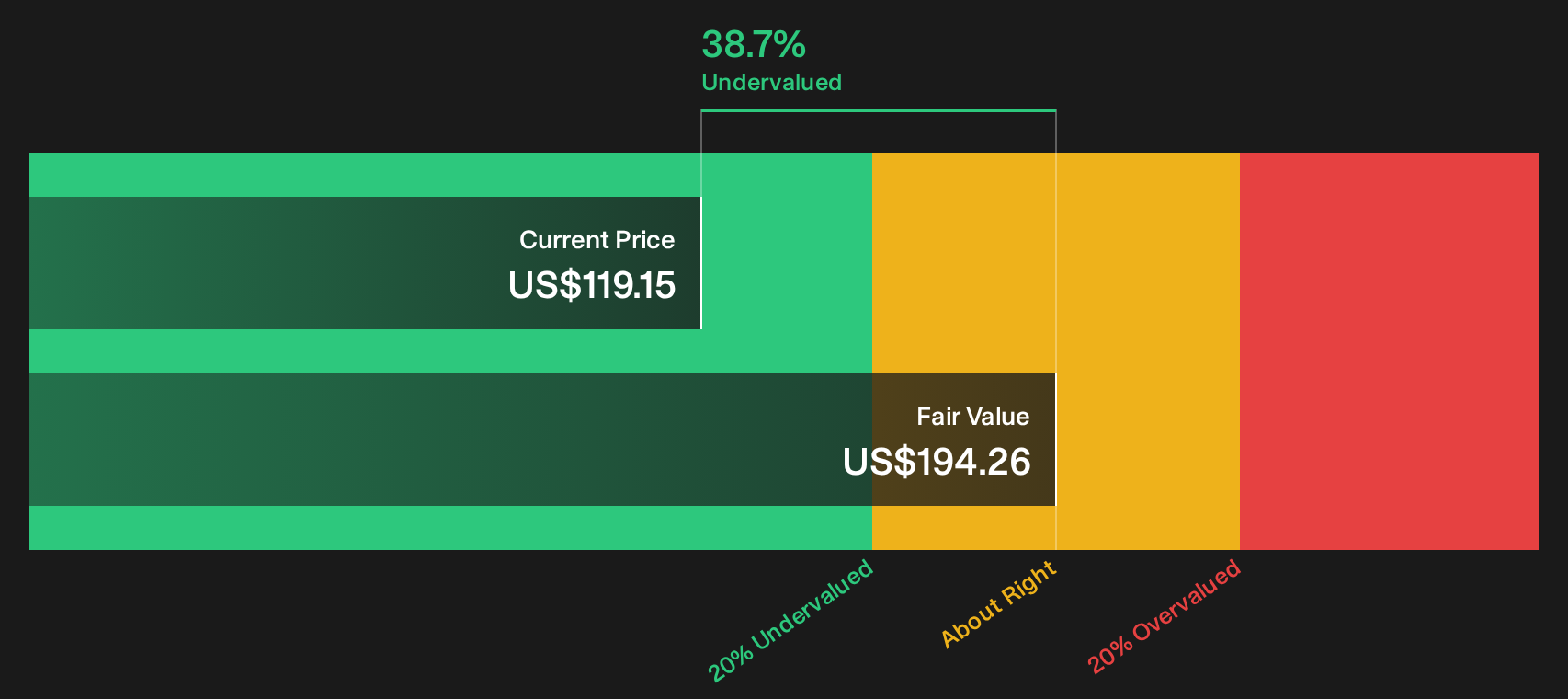
Mid-America Apartment Communities (MAA)
Mid-America Apartment Communities is one of the clearest examples of the affordable rental housing theme at work, with a large Sun Belt footprint geared toward mid priced renters who are feeling the pinch from higher mortgage costs and tighter home financing.
Mid-America Apartment Communities generates most of its rental income from Same Store Communities, which contributed about US$2.1b, with Non Same Store Communities adding roughly US$145 million, and the REIT carries a market value near US$14.1b.
Absorption in Mid-America Apartment Communities' core markets is outpacing new deliveries, with first half units absorbed significantly exceeding new units delivered and market level occupancy stabilizing near historical averages. This supports firmer blended lease pricing and provides a path for revenue and same store NOI growth as remaining lease up inventory is worked through.
What happens to margins and dividend cover will hinge on how one unseen pressure around future financing costs and leverage eventually resolves.
That financing question is exactly where the next layer of Mid-America Apartment Communities gets interesting, because the full narrative for Mid-America Apartment Communities shows how current leverage, funding choices, and rent trends could be pulling in different directions for long term holders.
NexPoint Residential Trust (NXRT)
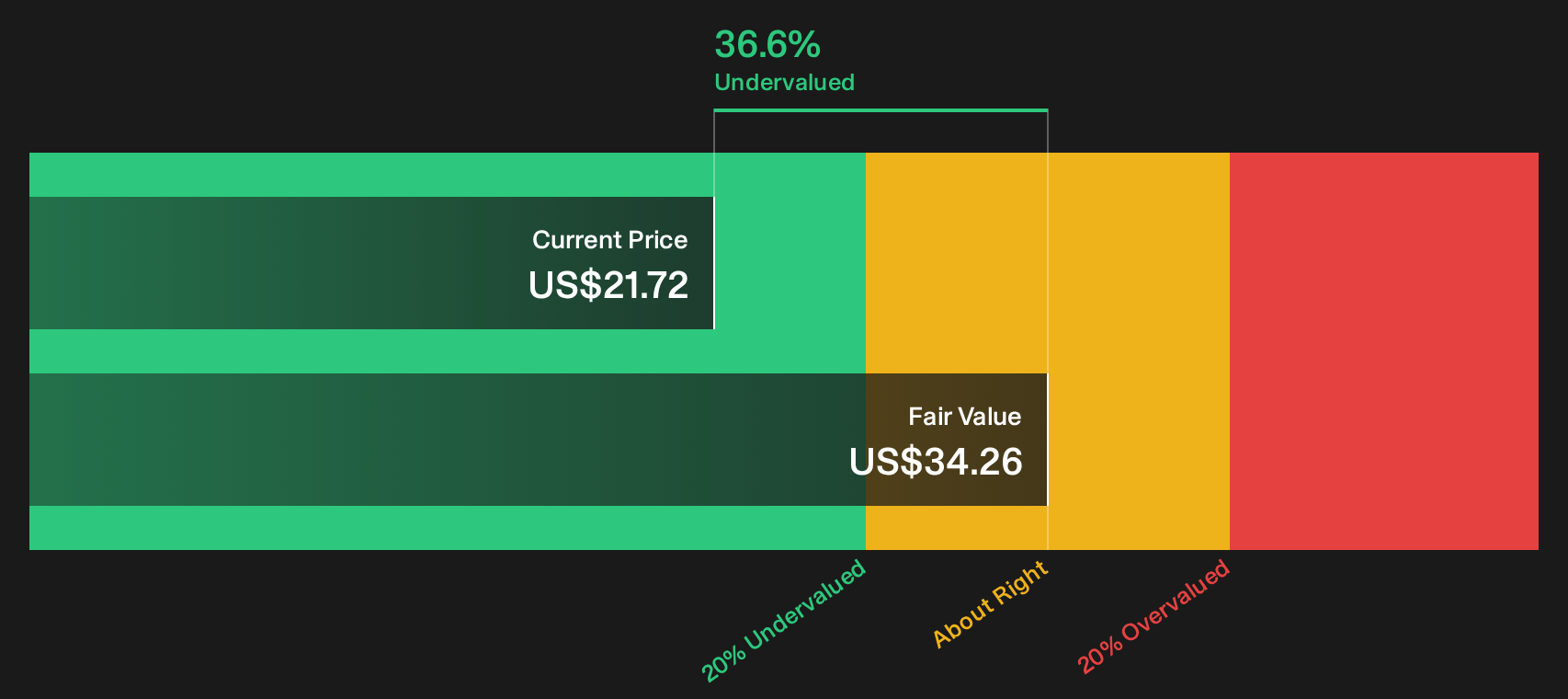
NexPoint Residential Trust focuses on middle income apartments in Sun Belt cities, squarely tied to the affordable rental theme, generating about US$253 million from residential properties in the U.S. and carrying a market value near US$548 million.
NexPoint Residential Trust sits closer to the sharp edge of the affordable rental story, targeting renters who are most affected when buying a home suddenly becomes much more expensive and staying a tenant looks like the only realistic option.
"The sharp pullback in new multifamily starts, with national deliveries tracking to the lowest level in more than a decade and many NexPoint Residential Trust submarkets showing less than 2% annual inventory growth, points to a tighter supply backdrop that can support rent growth and higher revenue as existing units face less new competition."
What investors will watch next is how one unresolved funding pressure shapes the balance between that tight supply benefit and future cash flow.
That funding overhang is exactly where the full narrative for NexPoint Residential Trust pulls the story together, revealing how supply, leverage, and rent growth could be quietly decoupling.
Independence Realty Trust (IRT)
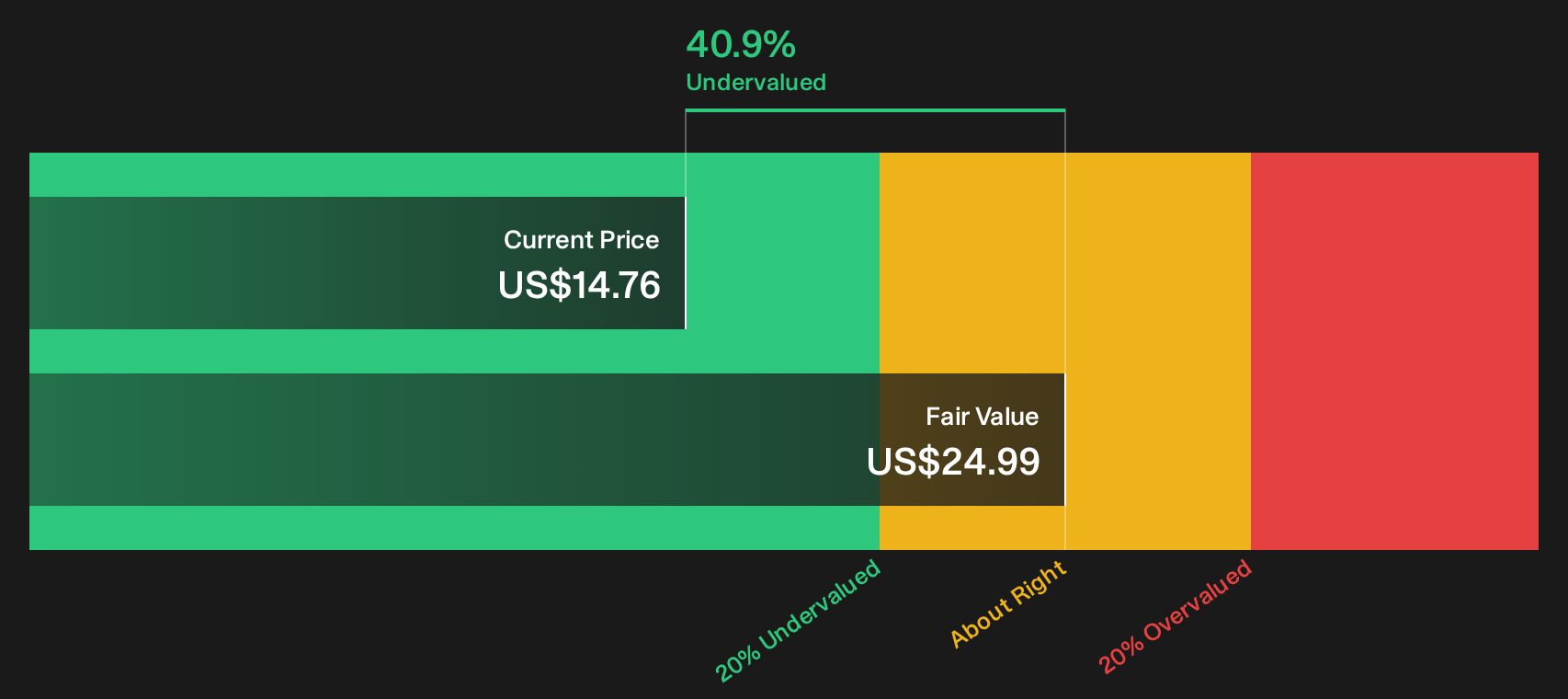
Independence Realty Trust is tightly linked to the affordable rental theme, owning multifamily communities in non gateway U.S. markets where renters priced out of homeownership look for mid market apartments, with about US$599 million from same store properties, roughly US$67 million from non same store assets, and a market value around US$3.5b.
Rising mortgage costs and weaker for sale housing push more households toward mid priced rentals. This is exactly where Independence Realty Trust is most exposed, setting up a meaningful test of how much pricing power affordable apartments can hold.
"The tapering of new multifamily supply and a 43% year-over-year reduction in deliveries projected for IRT's Sun Belt-focused markets in 2026 positions the company for a reacceleration of rent growth and stronger occupancy as demand continues to outpace incoming inventory, which should drive future revenue and NOI growth."
What happens to Independence Realty Trust’s margins and dividend resilience will depend on how one looming funding pressure across its balance sheet plays out.
With that funding overhang in mind, the full narrative for Independence Realty Trust shows how Independence Realty Trust’s leverage, cash flows, and rent trends could be quietly setting up a reacceleration story that may be underappreciated.
Seeking Fresh Alternatives Before Others Do
Fresh ideas move first. Stocks with real breakout momentum rarely stay under the radar for long before the crowd catches on and pricing power starts dropping, so act now.
- Spot strong income streams early and scan the 7 dividend fortresses curated for investors who want yield with staying power before payouts and valuations get fully priced in.
- Ride the next technology shift and track the 86 AI infrastructure stocks packed with businesses building the backbone for AI demand while this theme is still under the radar for now.
- Get ahead of the energy transition and review the 19 nuclear energy infrastructure stocks highlighting companies positioned for a potential build out in nuclear infrastructure before sentiment really starts flying.
This article by Simply Wall St is general in nature. We provide commentary based on historical data and analyst forecasts only using an unbiased methodology and our articles are not intended to be financial advice. It does not constitute a recommendation to buy or sell any stock, and does not take account of your objectives, or your financial situation. We aim to bring you long-term focused analysis driven by fundamental data. Note that our analysis may not factor in the latest price-sensitive company announcements or qualitative material. Simply Wall St has no position in any stocks mentioned.
Have feedback on this article? Concerned about the content? Get in touch with us directly. Alternatively, email editorial-team@simplywallst.com