
Top 3 Undervalued Stocks To Watch In September 2026
Global bond yields have surged to levels not seen in decades, which has hit many growth stories but also pushed some steady cash generators to prices that look out of sync with their underlying money making power. That gap between solid cash flow potential and discounted share prices is where value hunters focus. This article highlights three stocks that the cash flow discount screener flags as worth a closer look now.
The handful of stocks covered below are only a taste of what screens as potentially mispriced on cash flow, with the full DCF-based search surfacing 199 more companies where current prices look out of step with the cash their businesses may generate. To see the broader opportunity set and focus on the ideas that best fit your style, head straight into the Undervalued Stocks Based On Cash Flows screener
UiPath (PATH)
Overview: UiPath provides an automation platform that uses robotic process automation and AI driven software to streamline repetitive workflows for enterprises.
Operations: UiPath generates about $1.7b from Software & Programming, with around $750 million from the United States and the rest split across international regions.
Market Cap: $6.8b
UiPath matters for this cash flow focused screen because its automation platform is built around recurring software subscriptions that can be assessed using long term cash generation models.
"New product launches such as Agent Builder and Agentic Orchestration, along with strategic partnerships like with Microsoft and Deloitte, are positioned to expand market opportunities, potentially increasing earnings through higher-value deals."
Future cash returns from UiPath will hinge on how one unresolved pressure shapes the balance between subscription growth and cost discipline.
That trade off sits at the center of the full narrative for UiPath, which unpacks how UiPath’s automation platform, cash profile and competitive risks could be decoupling from today’s valuation.
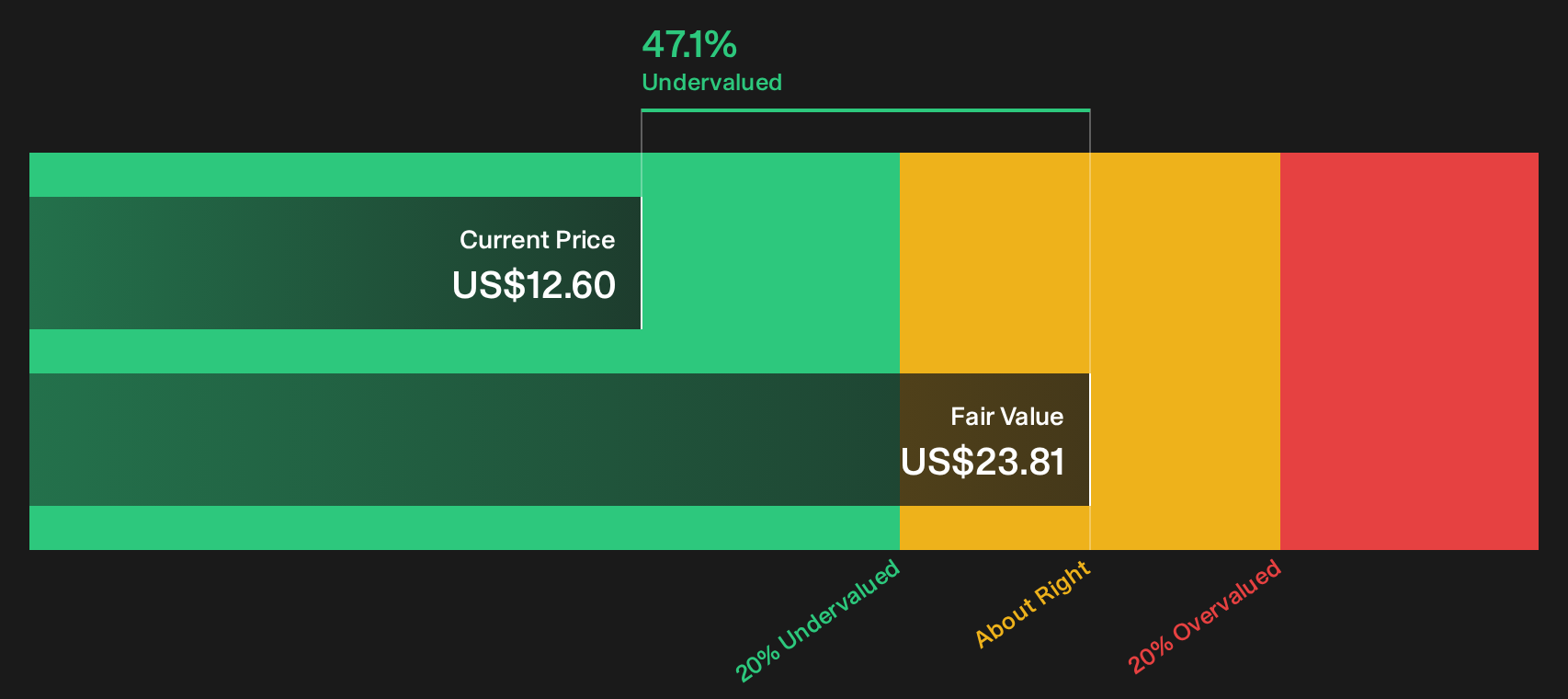
Autodesk (ADSK)
Overview: Autodesk provides design, engineering, and BIM-focused cloud software, turning long term subscriptions in areas like construction into recurring cash flows.
Operations: Autodesk generates about $7.8b from CAD / CAM software, with sales spread across the U.S., EMEA, APAC, and other Americas.
Market Cap: $45.4b
Autodesk matters for this cash flow screen because its BIM and construction cloud tools convert design workflows into subscription streams that can be valued on predictable, recurring cash generation rather than one off license spikes.
"If one architect with AI eventually does the work that previously required three, does the firm still need three Autodesk seats? Maybe not."
What happens to margins and pricing power depends heavily on whether Autodesk can capture a share of that AI driven productivity shift.
To see how that trade off could play out across pricing, seat counts, and long term cash generation, read the full narrative for Autodesk for the full story beyond the headline risk.
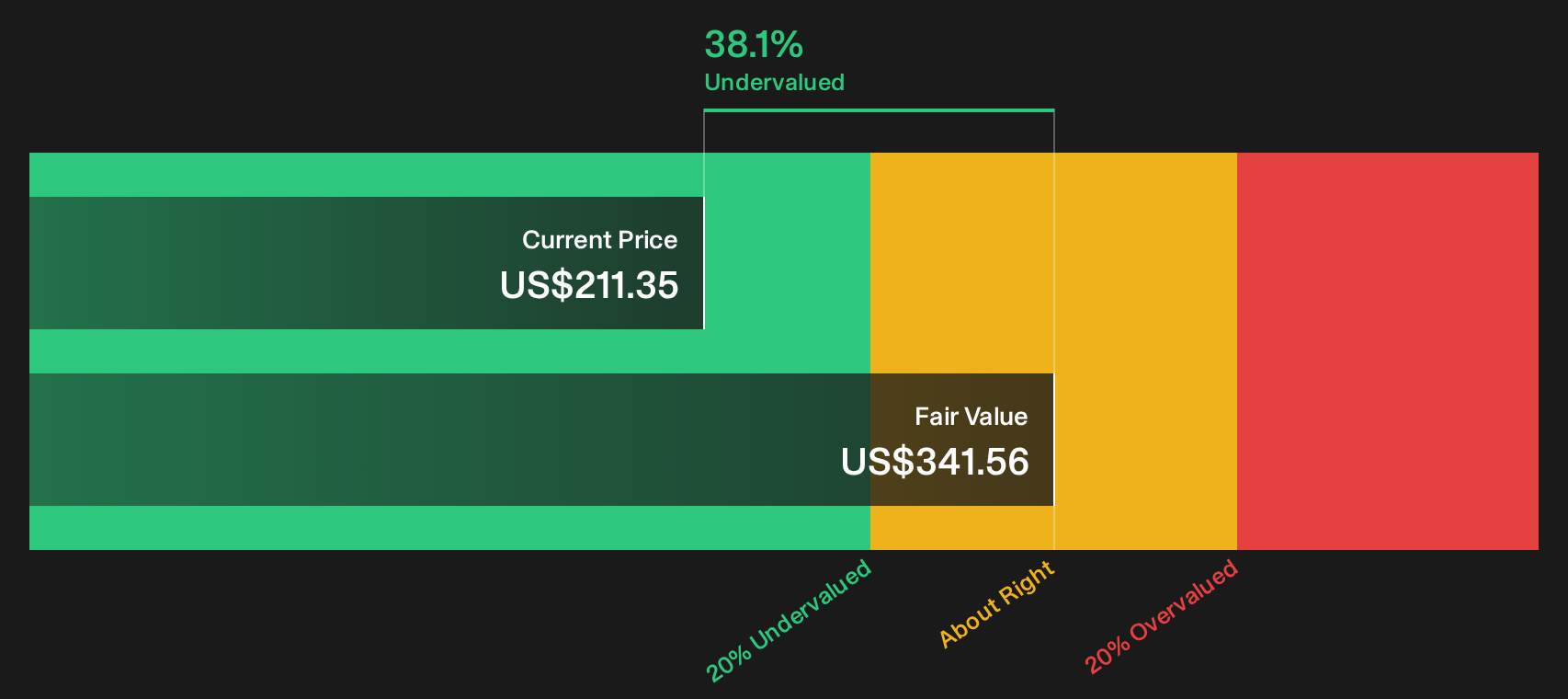
Alphabet (GOOGL)
Overview: Alphabet runs Google Search, YouTube, Android, and other services worldwide, while Google Cloud sells AI and data platforms to enterprises.
Operations: Alphabet generates about US$367.1b from Google Services, US$77.6b from Google Cloud, and US$1.5b from Other Bets, with most revenue from the United States.
Market Cap: US$4,168.3b
Alphabet matters for this cash flow screener because Google Cloud’s AI infrastructure and Vertex AI turn enterprise AI usage into recurring, contract-based income streams.
"Google Cloud has gone from “meh” to money-maker. • Now #3 globally behind AWS and Azure, with over 11% market share. • As of 2023, Cloud turned operating profitable, and that momentum continues."
What happens to those cash-rich cloud margins depends on how one unseen pressure shapes the balance between AI demand and capital spending.
That hidden force is exactly what the full narrative for Alphabet unpacks, showing how AI demand, capex and cash generation could be pulling Alphabet’s valuation in different directions.
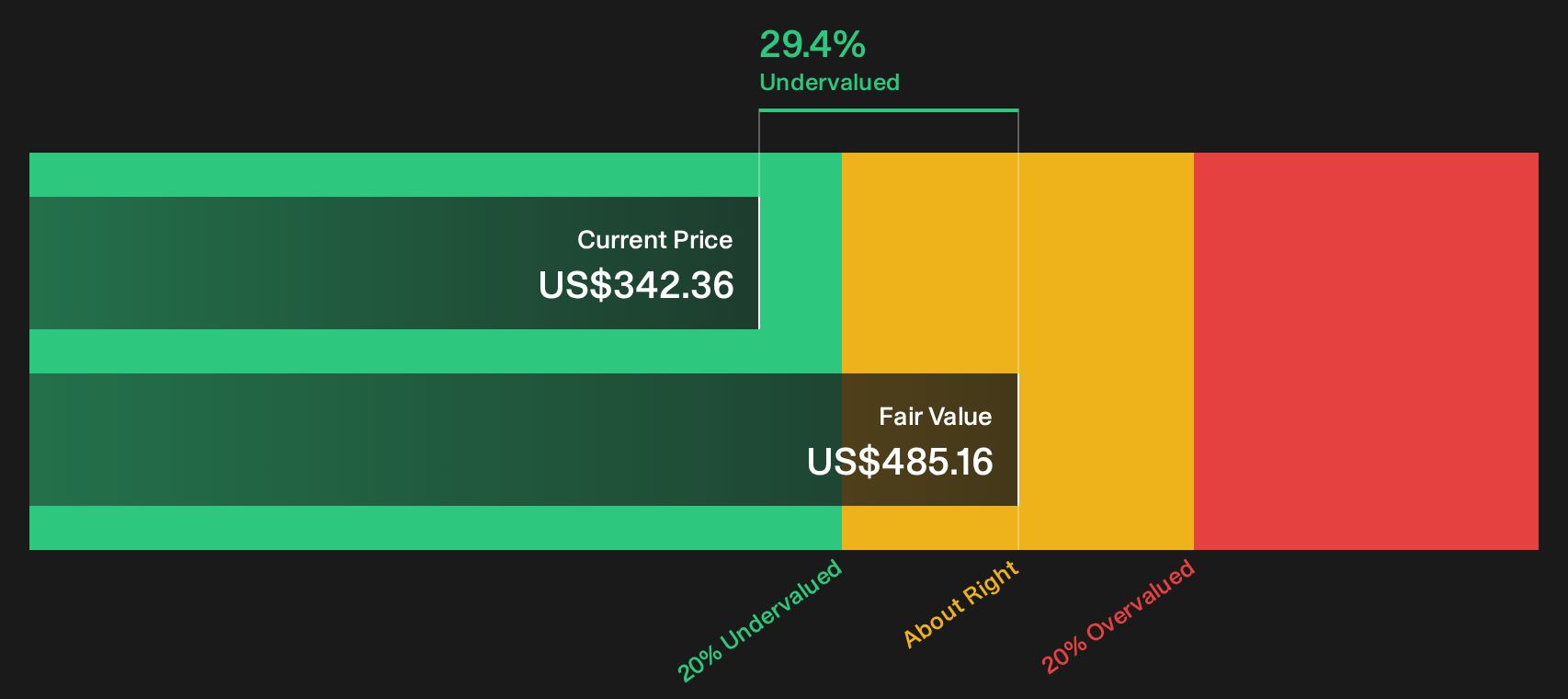
Seeking Fresh Alternatives Before They Fly
Markets move fast and the next breakout list rarely stays under the radar for long. Scan these fresh ideas before momentum builds and prices stop dropping, and consider acting while current conditions persist.
- Spot income workhorses with resilient payouts by running the 8 dividend fortresses while yields and entry points still reflect today’s anxiety instead of future hindsight.
- Identify potential infrastructure backbones by scanning the 84 AI infrastructure stocks before data center and chip supply chains fully adjust to evolving AI demand.
- Track cash-generative miners positioned for possible metal shortages using the 17 top copper producer stocks while financing strains and project delays keep expectations subdued.
This article by Simply Wall St is general in nature. We provide commentary based on historical data and analyst forecasts only using an unbiased methodology and our articles are not intended to be financial advice. It does not constitute a recommendation to buy or sell any stock, and does not take account of your objectives, or your financial situation. We aim to bring you long-term focused analysis driven by fundamental data. Note that our analysis may not factor in the latest price-sensitive company announcements or qualitative material. Simply Wall St has no position in any stocks mentioned.
Have feedback on this article? Concerned about the content? Get in touch with us directly. Alternatively, email editorial-team@simplywallst.com