
GM Stock And Ford Stock Under Fresh Focus As SUV Rules Shift
Fuel rules are being rolled back, big SUVs and pickups are back in the regulatory spotlight, and investors in automakers like General Motors and Ford suddenly have a very different rulebook to think about. This shift could reshape which businesses enjoy stronger cash flows and which face tougher questions. This article walks through three stocks closely tied to the news and explains why the change might help them, or why you may want to stay cautious.
The three stocks highlighted below are only a starter set. The full screen surfaced 16 more U.S. SUV and pickup focused businesses with equally compelling narratives that are not discussed here. To identify and analyze those additional opportunities with the highest conviction potential, head straight into the U.S. SUV & Pickup-Heavy Automakers and Dealer Networks screener.
General Motors (GM)
Overview: General Motors designs, builds, and sells a wide range of vehicles worldwide, with a heavy focus on large gasoline SUVs and pickups.
Operations: Most revenue comes from GM North America at US$153.8b, supported by GM International at US$14.2b and GM Financial at US$17.2b.
Market Cap: US$72.5b
General Motors is the purest expression of this screen’s theme. Full size pickups and big SUVs still do much of the heavy lifting for profit, while new software and EV plans reshape the longer term story.
The growing monetization of software and services such as Super Cruise and OnStar, evidenced by $4 billion in deferred revenue and rapid subscriber growth, creates higher-margin recurring revenue streams, supporting long-term earnings expansion beyond traditional vehicle sales.
What happens to those higher margin plans if a single pressure on truck heavy earnings proves tougher than current expectations assume?
If that pressure point matters to your thesis, read the full narrative for General Motors to see how General Motors’ truck cash flows and software plans could diverge.

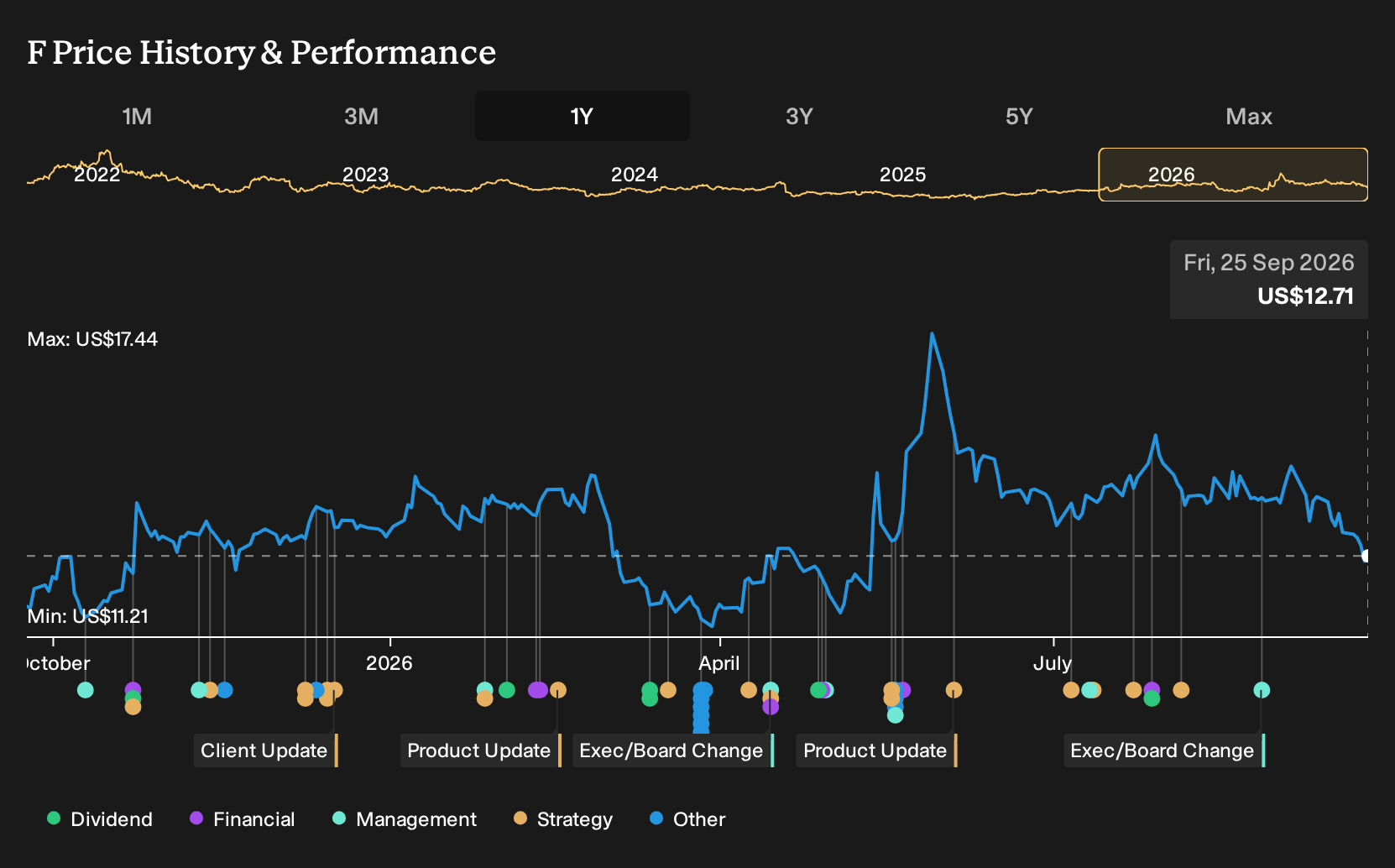
Ford Motor (F)
Overview: Ford Motor builds and finances trucks, SUVs, vans, cars, and related services worldwide, with a heavy emphasis on larger vehicles.
Operations: Ford generates most revenue from Ford Blue at US$145.9b and Ford Pro at US$64.8b, with Ford Credit and Ford Model e contributing smaller amounts.
Market Cap: US$50.7b
Ford Motor is effectively the other pillar of this SUV and pickup heavy screen, because F Series trucks, Bronco and big crossovers put it right in the crosshairs of any change to U.S. fuel economy rules.
Ford remains highly reliant on profits from internal combustion engine (ICE) vehicles, especially trucks and large SUVs. As regulations and consumer preferences pivot more aggressively toward EV adoption, this dependence could erode margins and shrink addressable markets.
What happens to Ford’s earnings story if a single policy swing or demand shift flips the payoff from that truck heavy mix?
That single turn in the story is exactly what the full narrative for Ford Motor unpacks, showing where the Ford Motor truck profit engine could be accelerating or quietly stalling next.
Monro (MNRO)
Overview: Monro runs a nationwide chain of tire and auto repair centers, keeping everyday cars, SUVs, and pickups on the road longer.
Operations: The business generates about US$1.1b in revenue from auto repair centers across the United States, focused on maintenance and tire services.
Market Cap: US$430 million
Monro matters to this SUV and pickup focused screen because it services the gasoline vehicle fleet rather than selling new metal. Its fortunes hinge on how long drivers keep internal combustion vehicles running.
"The accelerating adoption of electric vehicles, which have fewer maintenance needs relative to traditional internal combustion vehicles, will reduce demand for core services such as oil changes and engine repairs, ultimately creating lasting pressure on Monro's revenue growth opportunity as the vehicle mix shifts."
What happens to Monro’s repair volumes and pricing power if a single unseen cost pressure tightens more quickly than service demand grows?
That single cost squeeze is only part of the story, and the full narrative for Monro maps how Monro could still accelerate value as the repair mix evolves.

Seeking Fresh Alternatives Before They Fly
Fresh ideas move first. Breakout moves and early momentum often get caught by screens while they are still under the radar for now, so do not delay; consider looking early.
- Spot cash flow strength before momentum traders crowd in by scanning a curated list of solid balance sheet and fundamentals (24 results) that highlights resilient businesses built on sturdier fundamentals.
- Track the next wave of automation by following a focused set of 92 robotics and automation stocks that may benefit as factories, warehouses, and logistics keep upgrading.
- Review a hand picked group of 40 power grid technology and infrastructure stocks to stay informed on potential infrastructure-related opportunities while valuations and attention are still catching up.
This article by Simply Wall St is general in nature. We provide commentary based on historical data and analyst forecasts only using an unbiased methodology and our articles are not intended to be financial advice. It does not constitute a recommendation to buy or sell any stock, and does not take account of your objectives, or your financial situation. We aim to bring you long-term focused analysis driven by fundamental data. Note that our analysis may not factor in the latest price-sensitive company announcements or qualitative material. Simply Wall St has no position in any stocks mentioned.
Have feedback on this article? Concerned about the content? Get in touch with us directly. Alternatively, email editorial-team@simplywallst.com