
Does Hancock Whitney (HWC) Still Trade Below Fair Value?
Hancock Whitney has delivered a powerful share price run in recent years, which naturally raises a sharper question for anyone looking at the stock today. Are investors now paying a price that is fully explained by the returns the bank earns on the capital it puts to work?
- Over the last 3 years the share price has gained 128.9%, which puts real pressure on the idea that the current valuation lines up cleanly with the business returns behind it.
- The bank’s model of lending against deposits and fee based services means its future appeal to investors can hinge on how efficiently it turns customer capital into durable profits.
- What if you looked at Hancock Whitney through its earnings instead? See why Hancock Whitney's 13.6x P/E tells a different valuation story.
The stock's next move may depend on whether the returns Hancock Whitney earns on its capital are strong enough to support where the share price has now reached.
If you want a broader starting point alongside Hancock Whitney, a focused screener built around 32 high quality undervalued stocks can help you compare other ideas with the returns those businesses generate on their capital.
Does Hancock Whitney Look Undervalued on Excess Returns?
The Excess Returns model examines how much profit a bank earns above the return that equity investors require, then links that to what might be a reasonable price for Hancock Whitney today. It starts from the balance sheet rather than only projecting cash flows far into the future.
For Hancock Whitney, the model uses a Book Value of $55.23 per share and a Stable Book Value estimate of $60.18 per share, both based on forecasts from 8 analysts. Those same analyst inputs point to Stable EPS of $7.23 per share and an Average Return on Equity of 12.02%. After covering a Cost of Equity of $4.35 per share, that leaves an Excess Return of $2.88 per share in the model.
Combining these inputs, the Excess Returns model indicates an estimated intrinsic value that is substantially above the current share price of $72.20. That difference reflects the view that Hancock Whitney could continue earning returns on equity that exceed its equity cost by a reasonable margin, based on the analyst inputs that feed into the model. Find out what Hancock Whitney could be worth using our Excess Returns estimate.
The Hancock Whitney Narrative: What Would Justify Today's Price?
Simply Wall St Narratives pick up where the valuation puzzle for Hancock Whitney leaves off by explaining which paths for future growth, margins and earnings would need to hold for the shares to justify a meaningfully higher or lower price than today. Each scenario focuses less on a single multiple or model output and more on the specific assumptions behind its fair value view, so you can compare those expectations with actual results as they are reported on Hancock Whitney's Community page.
One of the top community narratives on Hancock Whitney: 14% undervalued
"The acquisition of Sabal Trust Company is projected to close soon, with expectations to enhance noninterest income by 9% to 10% year-over-year..."
Discover why this Narrative puts Hancock Whitney at 14% undervalued.
Hancock Whitney’s price is only one clue, ownership moves tell another story
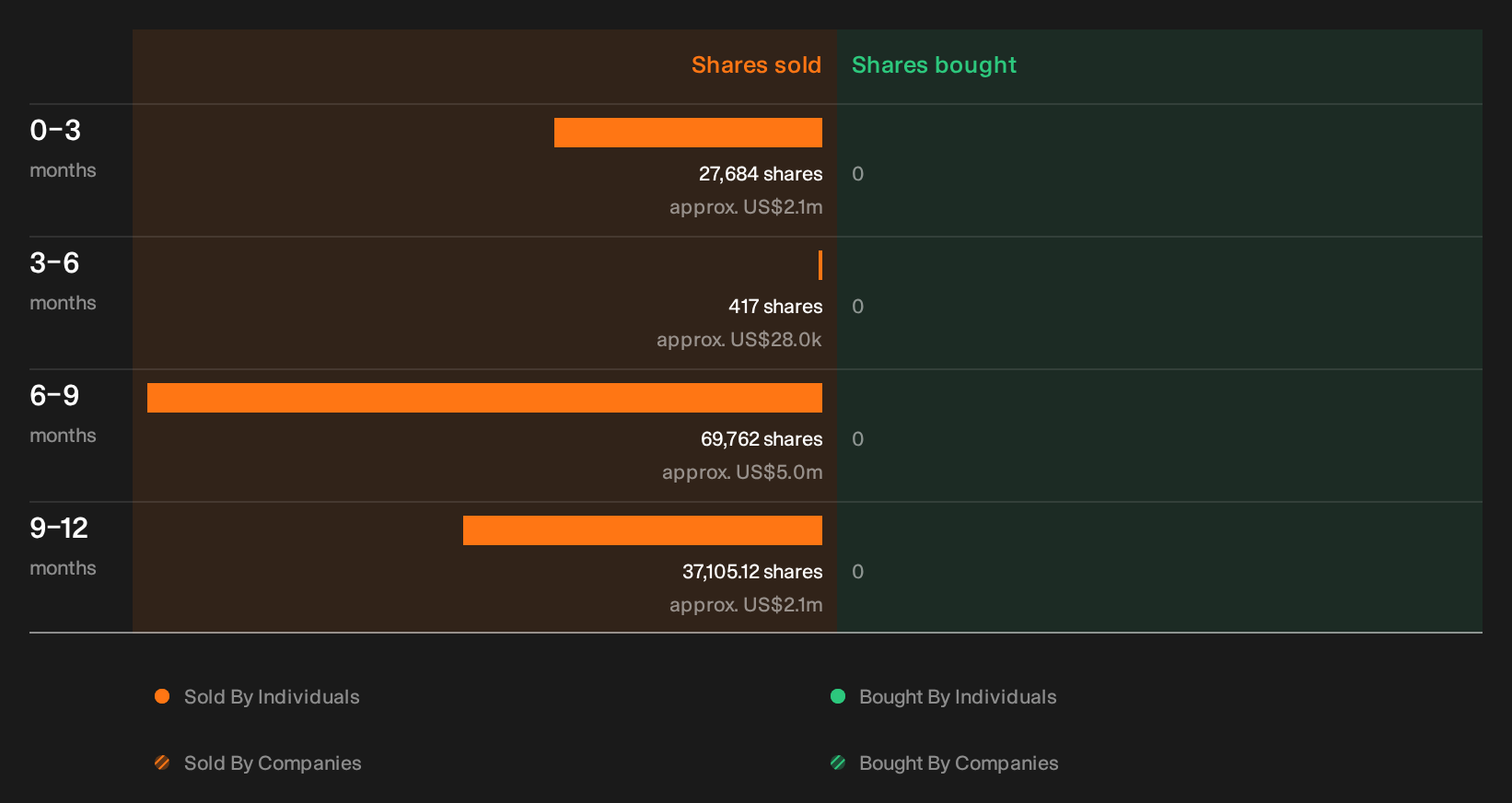
Valuation work sets the stage, but recent trading by Hancock Whitney’s own leadership adds another layer that can sharpen or challenge your view. See the recent insider selling flagged for Hancock Whitney.
This article by Simply Wall St is general in nature. We provide commentary based on historical data and analyst forecasts only using an unbiased methodology and our articles are not intended to be financial advice. It does not constitute a recommendation to buy or sell any stock, and does not take account of your objectives, or your financial situation. We aim to bring you long-term focused analysis driven by fundamental data. Note that our analysis may not factor in the latest price-sensitive company announcements or qualitative material. Simply Wall St has no position in any stocks mentioned.
Have feedback on this article? Concerned about the content? Get in touch with us directly. Alternatively, email editorial-team@simplywallst.com