
3 US Retail Stocks That Could Gain From Tougher Return Policies
Retailers are quietly rewriting the rules of returns, and that small print on the receipt now matters a lot more for customer loyalty and investor outcomes. As some chains trim return windows or add fees, businesses that keep returns simple and relatively painless could pull shoppers, and spending, their way. This article breaks down three US e commerce and omnichannel retail stocks exposed to this return policy shake up and explains why their approach may matter for your portfolio.
The stocks covered below are just a starter set, and the full screen also surfaced 15 more US e commerce and omnichannel retailers with equally compelling stories around customer friendly returns and overall fundamentals. To identify and analyze your own highest conviction ideas, head straight to the US E‑Commerce and Omnichannel Retail Leaders with Generous Return Policies screener.
J.Jill (JILL)
Overview: J.Jill is a US omnichannel women’s apparel retailer that sells clothing, footwear and accessories through stores, e commerce and catalogs.
Operations: J.Jill generates US$588 million of revenue entirely from its US retail and direct channels focused on United States customers.
Market Cap: US$369 million
J.Jill shows how return policies and fit confidence can shape outcomes for an omnichannel apparel specialist where online and store experiences blur together.
"While J.Jill benefits from a loyal and affluent core customer base that has historically proven resilient, the company's concentrated focus on middle-aged women means that evolving consumer preferences, particularly a continued shift toward athleisure, gender-neutral, and younger styles, may limit top-line revenue growth as its main demographic ages and younger consumers are less drawn to the brand."
Much then hinges on how one unseen pressure on customer engagement ultimately filters through to demand, pricing power and profitability.
That pressure point on demand makes it worth reading the full narrative for J.Jill to see how J.Jill’s return playbook could be masking deeper brand momentum.

Zumiez (ZUMZ)
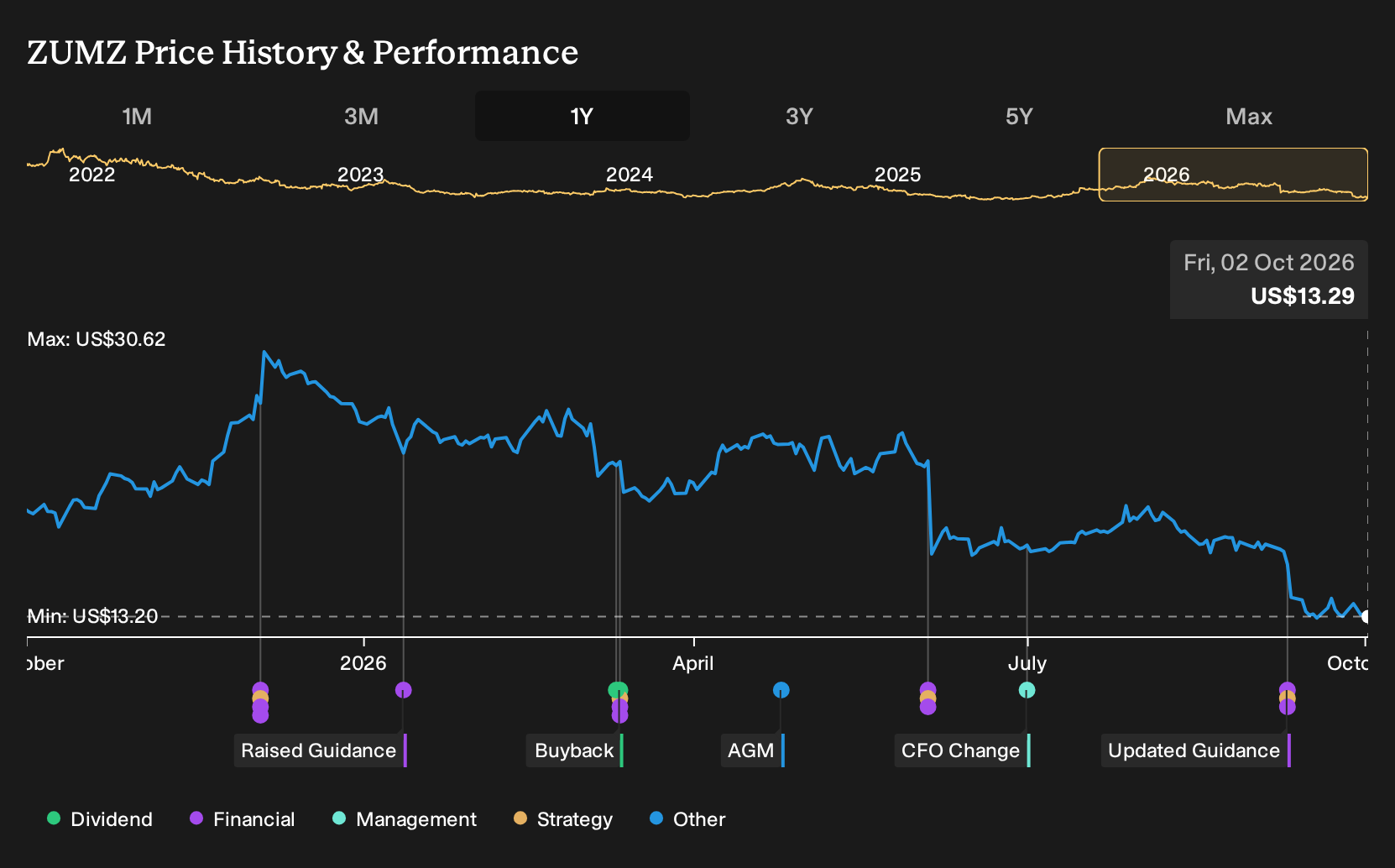
Overview: Zumiez is a youth focused specialty retailer selling apparel, footwear, accessories and board sports gear across stores and e commerce channels worldwide, where flexible returns can be critical to keeping younger shoppers loyal.
Operations: Zumiez generates about US$933 million from apparel focused retail, with roughly US$706 million in the United States and the rest across Canada, Europe and Australia.
Market Cap: US$204 million
Zumiez fits this screener as a retailer that leans into omnichannel shopping for Gen Z and Millennials, where confidence in easy returns can make or break a purchase, especially for style driven items ordered online.
"Increasing leverage of e-commerce and omnichannel integration, complemented by ongoing investments in personalization and digital engagement, is described as positioning Zumiez to serve digital-native Gen Z and Millennials as they become more dominant shoppers."
One unanswered question is what happens if an unresolved pressure on profitability quietly shifts how much flexibility Zumiez can afford to offer on those returns.
That return flexibility question is just the start, and the full narrative for Zumiez shows how Zumiez could turn omnichannel returns pressure into accelerating loyalty and margin resilience.
Pattern Group (PTRN)
Overview: Pattern Group is a US-based e-commerce accelerator that uses proprietary technology and expertise to run marketplace sales, logistics and returns for consumer brands.
Operations: Pattern Group generates about US$3.0b from online retailers, with roughly US$2.7b in the United States and US$362 million internationally across marketplaces.
Market Cap: US$3.1b
Pattern Group matters for this returns focused screener because it sits behind the scenes of major marketplaces, shaping how brands manage customer friendly purchases, refunds and reverse logistics at scale.
"Rapid expansion across non Amazon marketplaces such as Coupang, Walmart and TikTok, along with modular integrations into new platforms, increases Pattern Group's addressable GMV."
What really tests Pattern Group is how one unseen pressure on the cost of those generous return experiences ultimately washes through future margins.
Those margin questions are exactly why the full narrative for Pattern Group shows how Pattern Group could turn heavy return costs into accelerating scale and underappreciated pricing power.

Seeking Alternatives Before The Crowd?
Fresh ideas tend to move first, and slow research often gets caught chasing momentum after prices start rising. Scan these curated screens that are under the radar for now, then consider your options early.
- Spot cash generative businesses with robust balance sheets using the list of solid balance sheet and fundamentals (25 results). Do the work today so you are not reacting after quality is repriced.
- Look for durable income streams across curated high yielders through the 7 dividend fortresses. Review dependable payouts before dividend strength is fully reflected in valuations.
- Track early winners connected to AI infrastructure demand via the 90 AI infrastructure stocks. Get a view on potential beneficiaries before capital concentrates in the most crowded trades.
This article by Simply Wall St is general in nature. We provide commentary based on historical data and analyst forecasts only using an unbiased methodology and our articles are not intended to be financial advice. It does not constitute a recommendation to buy or sell any stock, and does not take account of your objectives, or your financial situation. We aim to bring you long-term focused analysis driven by fundamental data. Note that our analysis may not factor in the latest price-sensitive company announcements or qualitative material. Simply Wall St has no position in any stocks mentioned.
Have feedback on this article? Concerned about the content? Get in touch with us directly. Alternatively, email editorial-team@simplywallst.com