
Thailand Stocks to Watch as Lower Rates Support Domestic Demand
Thai inflation data has cooled just enough to keep the Bank of Thailand’s policy rate at 1.00% for now, and that opens a window for investors hunting ideas tied to domestic demand and interest-rate sensitivity. Thai stocks linked to local spending and credit costs can feel every small policy move, which creates both risk and potential opportunity. This article explains three Thailand equities closely exposed to this macro backdrop.
The stocks covered below are just a sample of this theme, with the full screen surfacing 14 more Thai-listed companies tied to domestic demand and rate conditions that have equally compelling stories you will not see in this article. To go straight to the broader opportunity set, use the Thailand domestic demand and rate-sensitive equities screener to identify, filter and analyze the rate-sensitive Thai plays that best fit your own thesis.
Moshi Moshi Retail Corporation (SET:MOSHI)
Overview: Moshi Moshi Retail Corporation runs Thai-based lifestyle stores and wholesale channels selling affordable home, fashion, beauty, gadget and gift products.
Operations: Moshi Moshi generates about THB 3.5b from retail and THB 454 million from wholesale, with roughly THB 4.0b of sales coming from Thailand.
Market Cap: THB 11.3b
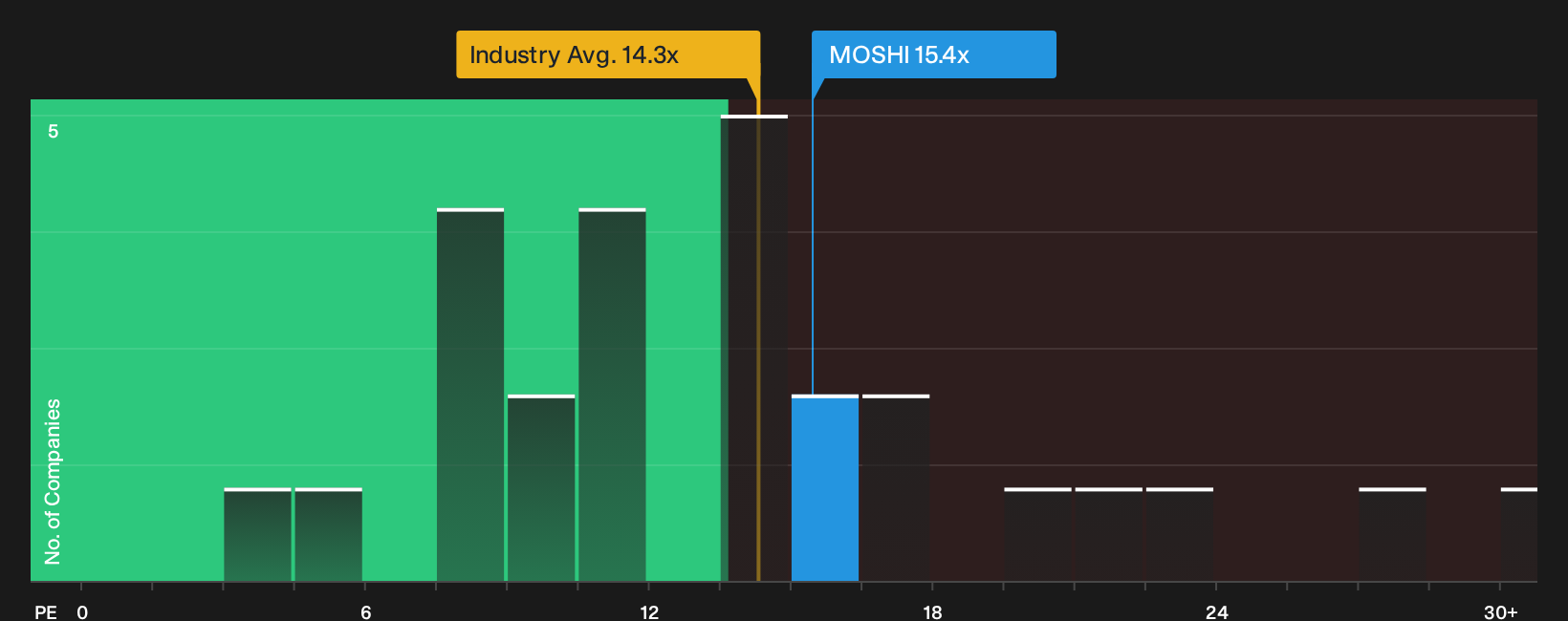
Moshi Moshi sits in the Thai consumer segment often described as the “sweet spot,” with lifestyle stores earning the bulk of revenue from domestic shoppers and inflation currently easing pressure on rates. Earnings and margins have been strong for a mid sized retailer, although the share price carries a premium P/E that leaves a lot riding on how one unseen pressure shapes discretionary demand.
With that much priced in, tap the analyst forecasts for Moshi Moshi Retail Corporation to see how expectations line up with Moshi Moshi’s rate sensitive and discretionary story.
Home Product Center (SET:HMPRO)
Overview: Home Product Center runs HomePro home improvement stores focused on Thai households, selling building materials, furnishings and renovation-related products and services.
Operations: The retailer generates about THB 69.7b from building related retail products, tying performance closely to housing upgrades and renovation activity.
Market Cap: THB 85.1b
Home Product Center is tightly linked to Thailand’s domestic demand story, with home improvement spending and housing projects reacting directly to consumer confidence and borrowing costs. The retailer offers Return on Equity and income potential through dividends, yet relies heavily on debt funding, so profitability and demand both hinge on how any future shift in Thai interest rates feeds through to household renovation budgets.
Those interest rate cross-currents make it worth running Home Product Center through the Home Product Center financial health report before rate moves start reshaping renovation demand.

Com7 (SET:COM7)
Overview: Com7 runs a nationwide Thailand based retail and wholesale network selling mobile phones, IT devices and related services to local consumers.
Operations: Com7 generates about THB 89.7b from retail and THB 3.6b from other activities, with roughly THB 93.5b of revenue coming from Thailand.
Market Cap: THB 73.1b
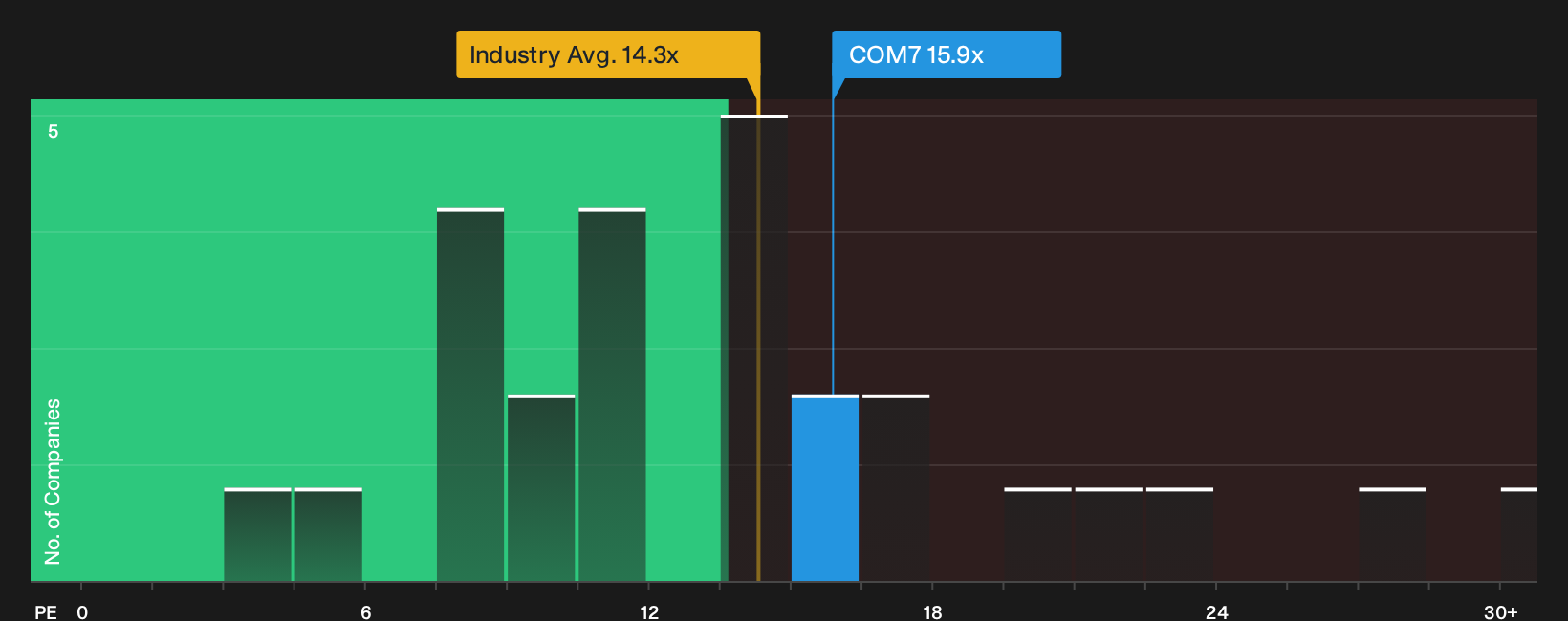
Com7 is directly exposed to Thailand’s domestic electronics spending, with Q2 2026 revenue of THB 24,197.25m and earnings that are closely linked to consumer financing conditions. Exposure to higher risk borrowings and a P/E premium indicates that the investment case depends significantly on how a single underlying pressure affects both device demand and funding costs.
That pressure point makes it worth running Com7 through the 3 key rewards and 3 important warning signs (2 are major!) to see whether premium pricing is masking resilience or early cracks.
Seeking Alternatives Beyond Thai Rate Plays
Fresh themes can gain breakout momentum fast, and the strongest ideas rarely stay under the radar for long. Scan these curated stock lists before the crowd catches up and act promptly if they suit your strategy.
- Identify resilient cash generators before yield seekers increase competition by running your filters through the 159 dividend fortresses while income ideas are still flying under most radars.
- Track early AI momentum where profits already matter rather than hype by using the 36 profitable AI stocks that aren't just burning cash while these operators are still priced like underdogs.
- Explore companies linked to electrification and infrastructure demand by scanning the 16 top copper producer stocks while sentiment around these producers is still shifting.
This article by Simply Wall St is general in nature. We provide commentary based on historical data and analyst forecasts only using an unbiased methodology and our articles are not intended to be financial advice. It does not constitute a recommendation to buy or sell any stock, and does not take account of your objectives, or your financial situation. We aim to bring you long-term focused analysis driven by fundamental data. Note that our analysis may not factor in the latest price-sensitive company announcements or qualitative material. Simply Wall St has no position in any stocks mentioned.
Have feedback on this article? Concerned about the content? Get in touch with us directly. Alternatively, email editorial-team@simplywallst.com