
3 U.S. Money Market Yield Plays As High Rates Keep Cash In Focus
Inflation is proving sticky, wholesale energy costs are squeezing budgets and the Fed keeps hinting at one more rate hike, so cash and short‑duration yields suddenly matter a lot more. Investors who once ignored money‑market style opportunities now risk missing potential havens and income alternatives. This article unpacks three U.S. Short‑Duration Cash and Money Market Yield Plays that appear well positioned for today’s rates and volatility mix.
The three stocks covered below are just a starting sample, and the full screen surfaced 14 more U.S. Short‑Duration Cash and Money Market Yield Plays with equally compelling narratives that are not discussed in this article. To identify and analyze the highest conviction short‑duration cash opportunities right now, head straight into the U.S. Short‑Duration Cash and Money Market Yield Plays screener.
Robinhood Markets (HOOD)
Robinhood Markets turns short term interest rates into a core feature of its app, using cash sweep programs and trading balances to give retail investors money market style exposure while it runs a US$4.9b brokerage business that generates all its revenue in the United States and is valued at about US$99.4b.
Higher yields now sit front and center for Robinhood Markets, since customer cash, sweep programs and short duration products touch almost every part of the platform and set up the next phase of its story.
"Expansion of Robinhood Chain and stock tokens positions Robinhood Markets to extend access to U.S. and other real world assets into more than 120 countries, which could widen its addressable customer base and add high margin fee revenue on top of existing brokerage earnings."
What happens to those high margin ambitions if one quiet pressure on Robinhood Markets’ short term yield engine shifts direction faster than expected?
If that pressure point has your attention, read the full narrative for Robinhood Markets to see how Robinhood Markets’ yield engine could be accelerating or quietly stalling next.

MSCI (MSCI)
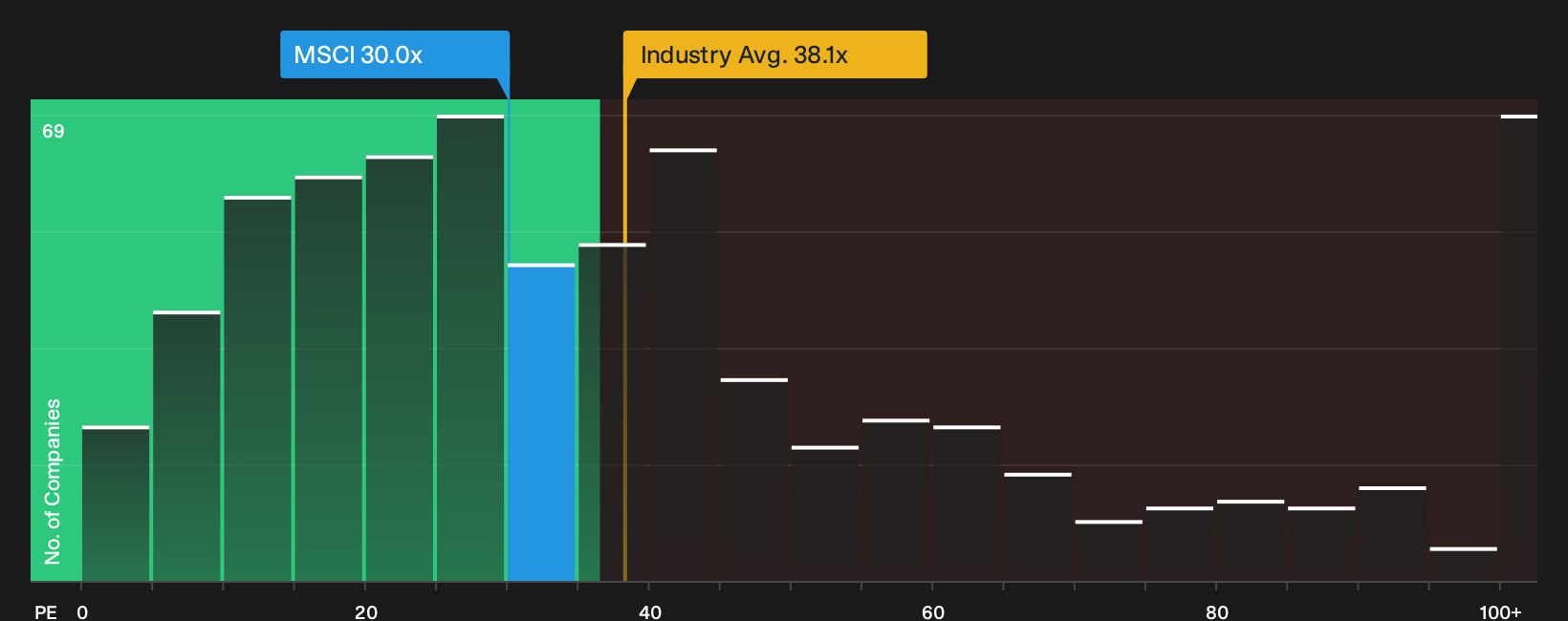
MSCI touches the short duration and liquidity theme from the index side, since its benchmarks and analytics sit behind many money market and ultra short bond ETFs that investors use for cash like exposure when rates and volatility flare up.
MSCI is a US$40.8b New York based data and index powerhouse, with most revenue coming from its Index arm at about US$1.9b, followed by Analytics at roughly US$744m, Sustainability and Climate at US$364m and All Other, Private Assets at about US$288m.
"The investment thesis rests on three durable pillars: (1) permanent switching costs in the Index segment, where fund mandate rewrites, LP notifications, and derivative contract renegotiations make benchmark migration prohibitively costly for all but the most determined sponsors; (2) secular tailwinds from the continued growth of passive investing and the institutionalization of private markets, which expand MSCI's AUM-linked revenue with zero incremental cost."
What really matters next is how one quiet shift in short duration ETF flows and client risk appetites ripples through those high margin index fees.
Those shifts in cash flows and risk appetite are exactly what the full narrative for MSCI unpacks, revealing where MSCI’s fee engine could quietly be accelerating next.
Marex Group (MRX)
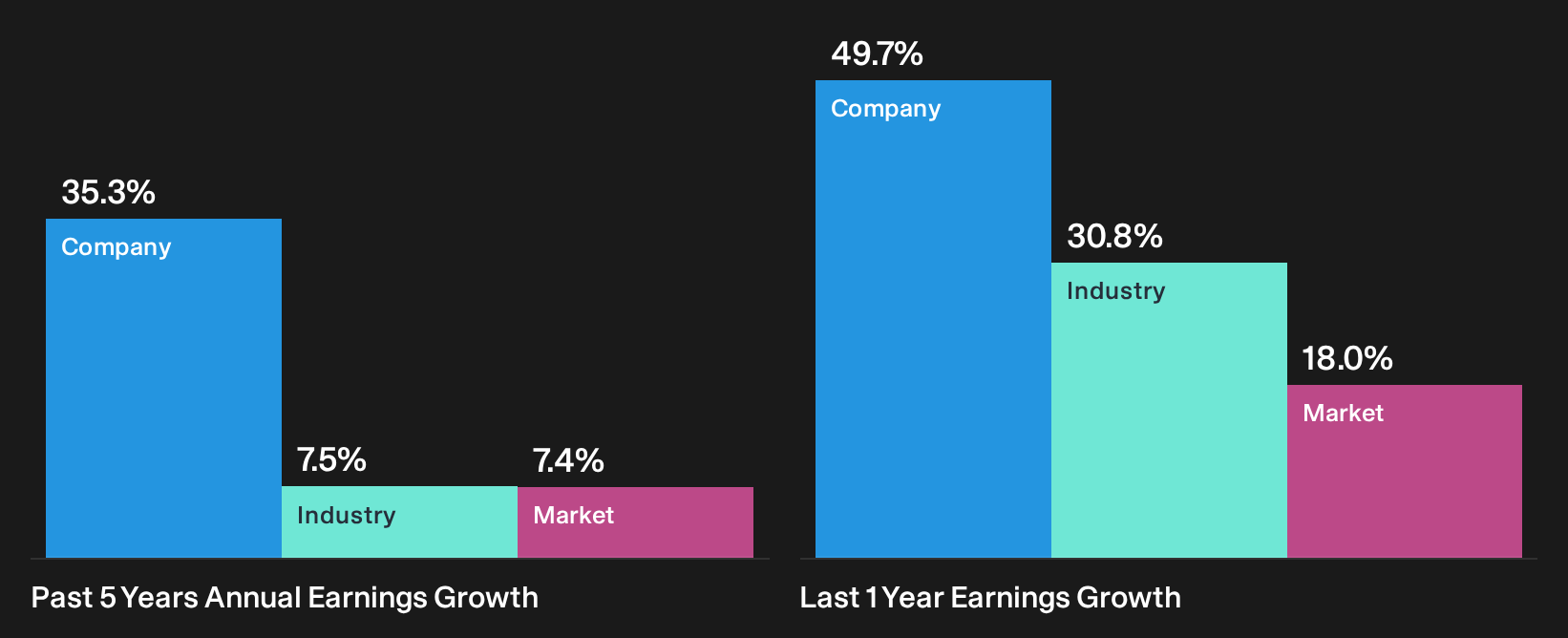
Marex Group plugs directly into the U.S. Short Duration Cash and Money Market Yield Plays idea through its liquidity and collateral handling across futures, options and OTC markets. It generates most revenue from Agency and Execution at about US$1.2b, Clearing at US$774 million and Market Making at US$381 million, with a US$5.2b market cap.
Marex Group provides exposure to short term rates through the plumbing of global markets, where client collateral, cash handling and liquidity management sit alongside commodity and financial futures trading.
"While Marex Group now generates a large share of profit from higher margin Clearing and Prime activities, the sharp fall in net interest income from $53m in Q1 2025 to $30m in Q2 2026 suggests that the higher funding costs needed to support these balance sheet intensive franchises could cap future net margin expansion if client balances or pricing do not keep pace."
What happens to Marex Group’s earnings story if a quiet shift in how those activities are funded squeezes the cushion under its margins?
If that squeeze risk matters to you, read the full narrative for Marex Group to see whether Marex Group’s rate engine is quietly resetting for a stronger next chapter.
Seeking Fresh Alternatives Before They Fly
Fresh opportunities can move from quiet to breakout while most investors watch yesterday’s winners. Before the crowd catches up and momentum runs, scan these under-the-radar ideas and consider them ahead of time.
- Spot steady cash generators with strong payout potential by checking the 7 dividend fortresses that aims to keep income flowing even when prices are dropping.
- Track real-economy demand for metals through the 16 top copper producer stocks and see which producers could benefit fastest if infrastructure and electrification momentum builds.
- Review the 92 AI infrastructure stocks that focuses on companies supporting data centers and chips, which are key components of AI-related infrastructure.
This article by Simply Wall St is general in nature. We provide commentary based on historical data and analyst forecasts only using an unbiased methodology and our articles are not intended to be financial advice. It does not constitute a recommendation to buy or sell any stock, and does not take account of your objectives, or your financial situation. We aim to bring you long-term focused analysis driven by fundamental data. Note that our analysis may not factor in the latest price-sensitive company announcements or qualitative material. Simply Wall St has no position in any stocks mentioned.
Have feedback on this article? Concerned about the content? Get in touch with us directly. Alternatively, email editorial-team@simplywallst.com