
Eli Lilly (LLY) Sued By Pennsylvania Over Insulin Price Inflation
- Pennsylvania filed a lawsuit against Eli Lilly (NYSE:LLY) and other defendants on Oct. 20, 2026, alleging coordinated insulin price inflation.
- The complaint claims drugmakers and pharmacy benefit managers used list price increases and rebate structures to inflate insulin costs for patients.
- New late breaking clinical trial data for Eli Lilly's Omvoh reported strong efficacy and safety in pediatric ulcerative colitis patients.
- The insulin pricing lawsuit and Omvoh pediatric results both matter, but investors should weigh them alongside broader Eli Lilly fundamentals. Take a look at 1 warning sign we have identified for Eli Lilly.
For a wider angle on where drug development and digital tools are intersecting, consider exploring healthcare names linked to 33 healthcare AI stocks.
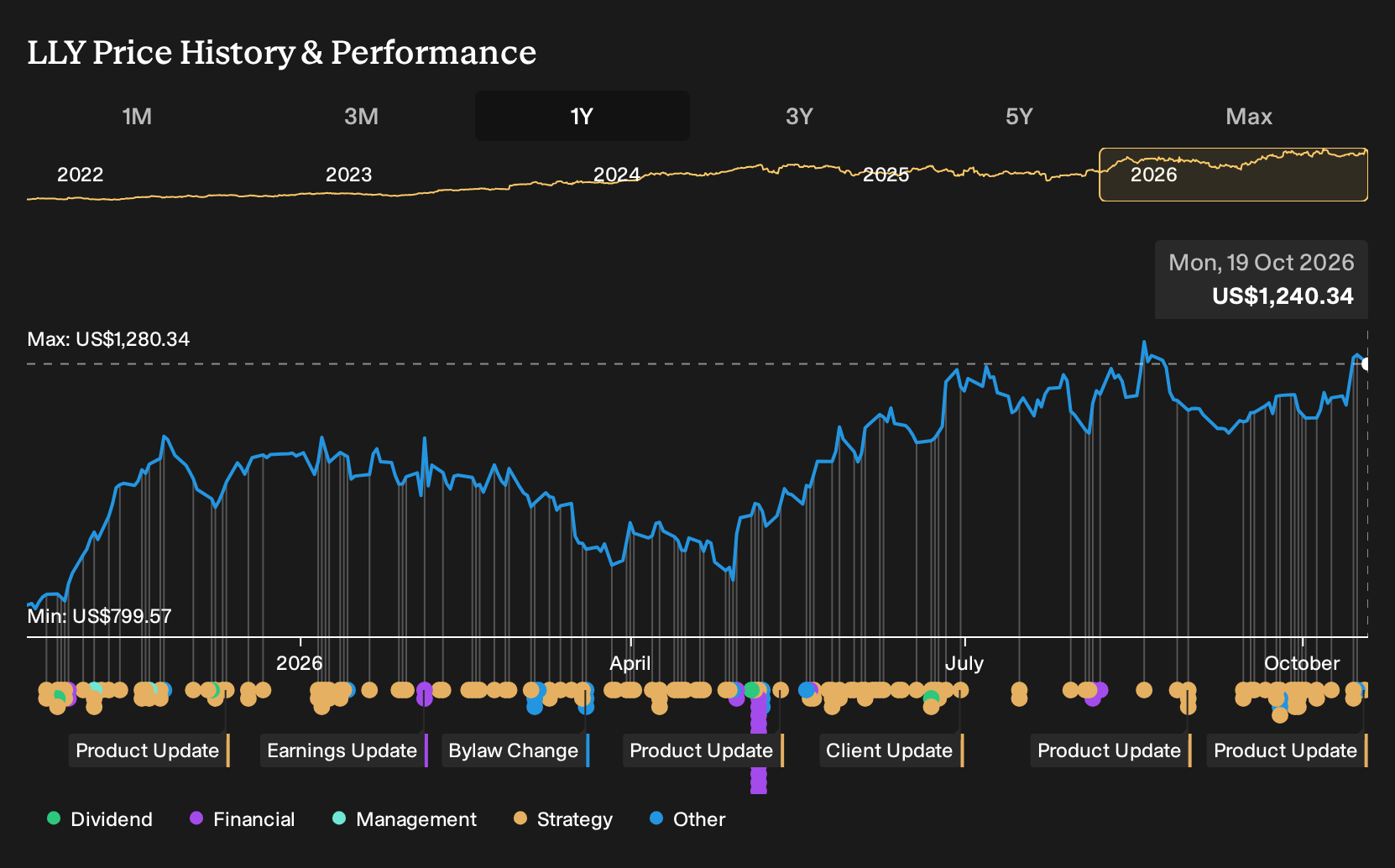
Eli Lilly is a US based pharmaceutical group that discovers, develops, manufactures, and markets human medicines across major regions including the United States, Europe, China, and Japan, so its insulin portfolio and Omvoh both sit inside a broad global drug lineup. For readers, that mix means any legal scrutiny around pricing and any clinical progress in pediatric ulcerative colitis connect directly to how its pipeline and commercial franchises interact over time.
See how Eli Lilly's balance sheet measures up.
Insulin lawsuit stresses Eli Lilly’s pricing risk while Omvoh data feeds the diversification story
The Eli Lilly Narrative leans on incretin drugs like Mounjaro and Zepbound turning heavy demand into sustained access and profit margins, while newer therapies in areas such as immunology and oncology broaden earnings. This insulin pricing case and the Omvoh pediatric ulcerative colitis readout feed directly into that balance between legal risk and portfolio depth.
"The main thing that has to go right is that Eli Lilly continues to turn strong demand for GLP-1 and related cardiometabolic drugs into durable access and reimbursement, including through programs such as Medicare’s GLP-1 Bridge and expanding self-pay and employer channels, while managing pricing pressure and legal risks..."
See how the full story points towards a $1,329 fair value for Eli Lilly.
The Pennsylvania insulin suit goes straight at the Narrative’s pricing and legal weak spot. Allegations of coordinated price inflation increase the chance of fines, restitution or tighter oversight that could influence how payers approach GLP-1 reimbursement next. For a story that already assumes pricing pressure on incretins, this lawsuit is another concrete test of how well Eli Lilly can protect net revenue while dealing with challenges that peers like Novo Nordisk and Sanofi also face in diabetes.
Omvoh’s pediatric ulcerative colitis data pull in the other direction. Strong one-year outcomes in a high-need group support the idea that non-incretin franchises in immunology can shoulder more of the future earnings load alongside oncology and neuroscience. That reinforces the Narrative’s claim that a broader mix of specialty drugs can help offset concentrated GLP-1 risk if legal or reimbursement outcomes around obesity and diabetes treatments become tougher.
For a reader weighing this headline, the key step is turning these legal and clinical updates into a single, coherent Narrative about how Eli Lilly’s pricing exposure and pipeline breadth work together before making any investment decision.
The one check on Eli Lilly many readers skip before making a move
Before acting on any story around Eli Lilly, one more file deserves a closer look: who actually runs the business, what they are rewarded for, and how those incentives line up with your own. See who is actually steering Eli Lilly, and how they are paid.
Have feedback on this article? Concerned about the content? Get in touch with us directly. Alternatively, email editorial-team@simplywallst.com