
How Investors Are Reacting To Harbour Energy Stock As Global Footprint Expands
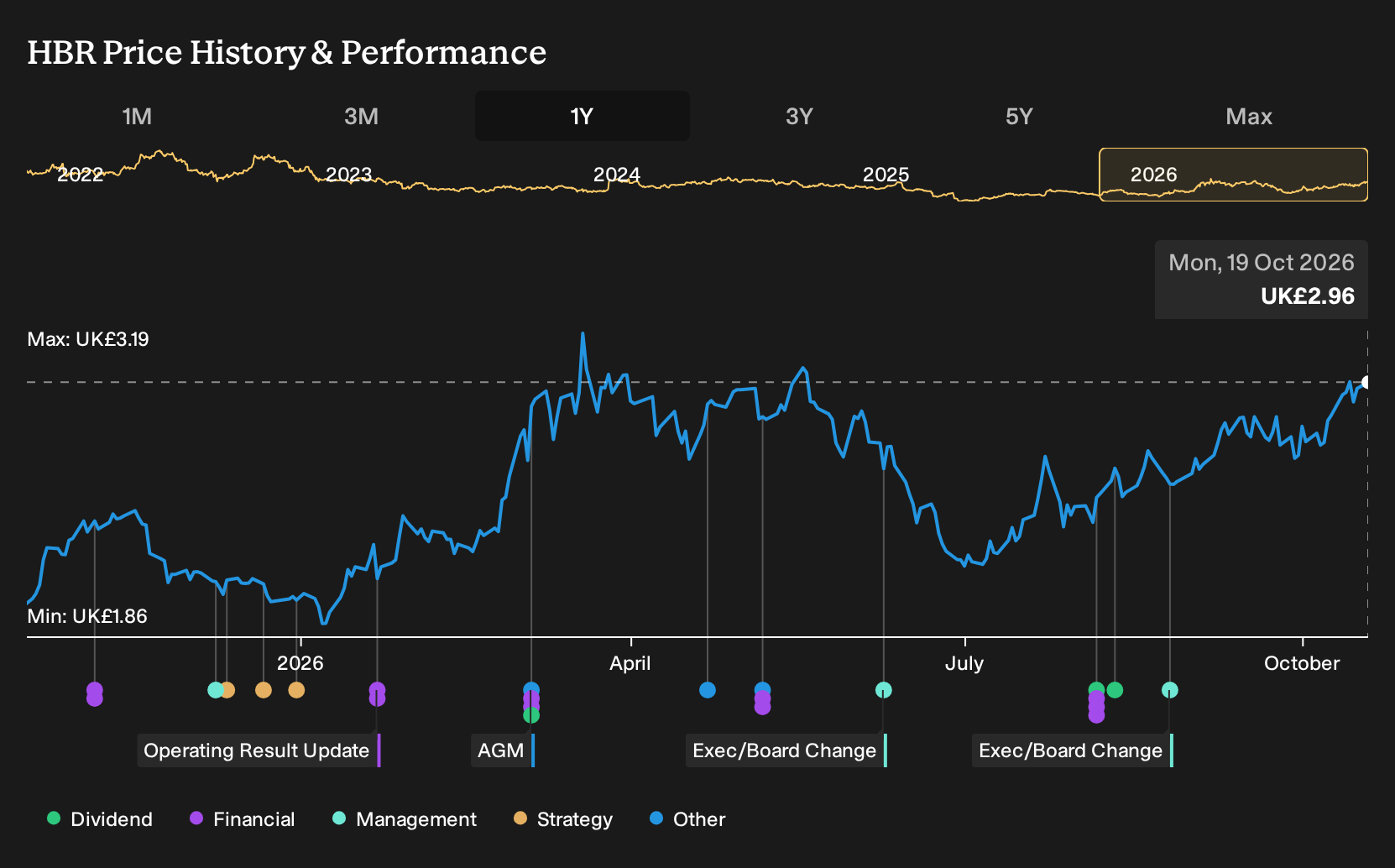
- Harbour Energy has completed the integration of Wintershall Dea's assets, which has expanded its production footprint beyond the mature UK North Sea.
- This shift toward a broader international asset mix changes Harbour Energy's exposure to country specific tax regimes and project economics in a material way.
- We will now look at how Harbour Energy's enlarged and more international production base could reshape the overall investment narrative.
Compare Harbour Energy's new international profile with a curated list of other producers that pair scale with diversification in our list of solid balance sheet and fundamentals (9 results).
Harbour Energy Investment Narrative Recap
To own Harbour Energy, you need to be comfortable with a bigger, more international operator that now leans less on the mature UK North Sea and more on a spread of assets across Norway, Germany, Latin America, North Africa, and Southeast Asia. The big near term swing factor is how quickly the enlarged portfolio can settle into a steady, efficient production base after the Wintershall Dea integration.
The flip side is clear. Execution missteps on integration and any renewed pressure from UK or other fiscal regimes could eat into cash generation just as investors are watching for cleaner post deal numbers. Political and licensing uncertainty in Argentina and Mexico, plus cost inflation and FX swings, still feel like the single largest operational risk cluster today.
Among recent developments, the completion of the Wintershall Dea asset integration is the one that matters most for this story. It shifts Harbour Energy from a UK centric producer into a more globally spread operator, with revenue tied to multiple jurisdictions and tax systems rather than one dominant basin.
That change speaks directly to the key catalysts investors focus on. Scale and diversification give management more optionality in how they prioritize capital between UK, Norwegian, and emerging market projects, including gas and LNG linked production and carbon capture activity. Any evidence that operating costs, IT systems, and organization structures are bedding down smoothly will likely shape how investors view the medium term earnings and balance sheet resilience.
Harbour Energy Forecasts And What They Assume
Harbour Energy's narrative projects US$9.7b revenue and US$664.4m earnings by 2029. This combines a 5.2% yearly revenue decline with an earnings increase of about US$332.4m from current earnings of US$332.0m.
Uncover why Harbour Energy's fair value indicates a 17% potential upside to its current price that could narrow quickly.
Exploring Other Perspectives
Some of the most optimistic analysts frame Harbour Energy’s safety record as the swing factor. You see a big divide. Consensus models point to earnings of about US$664.4m by 2029, while the most upbeat forecasts sit closer to US$1.2b. The latest news could easily push those stories further apart.
Explore 3 other Harbour Energy fair value estimates, including one that suggests up to 176% upside from the current price.
The Verdict Is Yours
Disagree with existing narratives? Extraordinary investment returns rarely come from following the herd, so go with your instincts.
- A great starting point for your Harbour Energy research is our analysis highlighting 3 key rewards and 2 important warning signs that could impact your investment decision.
- See our latest analysis for Harbour Energy. The report includes a comprehensive fundamental analysis summarized in a single visual, the Snowflake, making it easy to evaluate Harbour Energy's overall financial health at a glance.
Looking For More Investment Ideas Beyond Harbour Energy?
If Harbour Energy has sharpened your thinking about risk, cash generation, and diversification, it can be useful to test that same framework across a wider watchlist using the Simply Wall St Screener.
- If you want potential upside with smaller companies that already show strong financial profiles, scan through a focused 14 elite penny stocks with strong financials to see which ones match your risk tolerance and time horizon.
- If you care most about quality and price discipline, filter the market using a targeted 8 high quality undervalued stocks that brings together solid balance sheets and attractive valuation metrics.
- If reliable income matters to you more than headline growth stories, narrow the field with a curated 4 dividend fortresses and see which payers line up with your yield and sustainability goals.
Have feedback on this article? Concerned about the content? Get in touch with us directly. Alternatively, email editorial-team@simplywallst.com