
3 Stocks for Digital Infrastructure Resilience as Cable and Satellite Risks Return
Internet cables, satellite links and data centers rarely grab headlines until a flashpoint like Iran’s threat to undersea lines in the Strait of Hormuz reminds everyone how fragile connectivity can be. When long-term rates sit above 5%, housing data looks soft and index futures trade weaker, capital often hunts for businesses tied to resilience. This article spotlights three stocks connected to that theme and explains how this renewed focus on digital infrastructure could matter for your portfolio.
The three stocks below are a starter set, and the full screen surfaced 37 more businesses with equally compelling digital resilience narratives that are not covered in this article. To go straight to the broader opportunity set, use the Global Digital Infrastructure Resilience screener to identify, filter and analyze the highest-conviction ideas for your watchlist.
MTN Group (JSE:MTN)
Overview: MTN Group runs mobile networks and digital infrastructure across Africa and parts of the Middle East, linking everyday users and businesses to voice, data, fintech and enterprise connectivity services that help keep communications resilient when regional networks are under stress.
Operations: MTN Group generates essentially all of its ZAR236,382 million revenue from wireless communications services, with major contributions from Nigeria at ZAR68,830 million and South Africa at ZAR50,687 million alongside other African markets.
Market Cap: ZAR347.2 billion
MTN Group matters for this screener because it does not just sell phone plans. It runs mobile networks, subsea and terrestrial links, and data infrastructure that underpin how several emerging economies stay online when global routes look vulnerable.
"Planned expansion of home broadband and enterprise connectivity, including a target of 20 to 30 million connected homes out of an estimated 70 to 90 million addressable by 2030, is set to increase recurring data and services revenue from both households and businesses."
What happens to margins and cash returns if a single unseen pressure changes how much of that connectivity push can be self funded?
If that funding balance is what you care about, read the full narrative for MTN Group to see how MTN Group’s cash cycle, risk profile and resilience story fit together.

Universal Microwave Technology (TPEX:3491)
Overview: Universal Microwave Technology supplies microwave, millimeter wave and radio frequency components used in 5G, satellite communications and carrier backhaul networks worldwide.
Operations: The business earns NT$2,715 million from microwave and millimeter wave products and NT$971 million from radio frequency components, after intersegment adjustments.
Market Cap: NT$91.5 billion
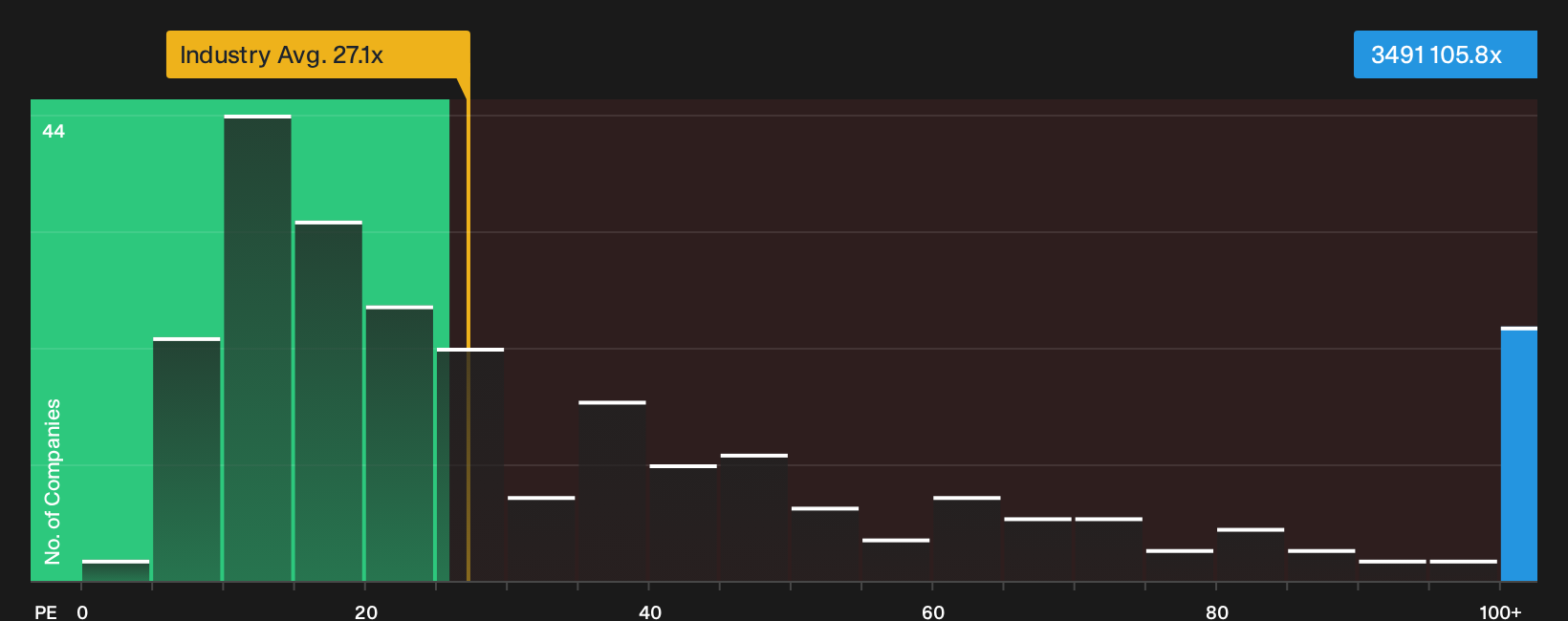
Universal Microwave Technology ties into the Global Digital Infrastructure Resilience theme because its hardware sits inside the radios, backhaul links and satellite ground gear that help keep data flowing when big cables or main routes look vulnerable. Reported H1 2026 results indicate strong earnings and sales around that demand. However, the very high P/E and reliance on non cash earnings mean that a single shift in expectations could quickly change how investors view its pricing power.
That kind of expectation swing makes the 3 key rewards and 2 important warning signs (2 are major!) and shows where valuation optimism could be masking fragility or underappreciated upside.
Globalstar (GSAT)
Overview: Globalstar delivers mobile satellite connectivity that keeps people, devices and industrial assets online when traditional terrestrial or subsea links fail.
Operations: Globalstar generates US$280.642 million in revenue from its Mobile Satellite Services business, providing satellite-based voice, data and IoT connectivity.
Market Cap: US$10.67b
Globalstar matters for the Global Digital Infrastructure Resilience theme because its satellites give you a separate communication layer when physical choke points or terrestrial networks look vulnerable, which is the kind of backup channel many governments and large enterprises are now seeking.
"Continued expansion of government and defense partnerships, including new agreements with U.S. federal agencies and the Parsons relationship, is expected to drive higher recurring revenue as demand for resilient, mission-critical satellite connectivity grows in response to infrastructure vulnerabilities and natural disasters. Persistent high capital expenditure requirements for satellite replenishment, ground infrastructure build-out and technology development could outpace internal cash generation and place pressure on free cash flow, increasing risk of dilution or higher-cost debt."
The real test for Globalstar arrives if a single funding pressure changes how quickly that resilience buildout can translate into durable margins.
That funding question is exactly what the full narrative for Globalstar unpacks. It shows where Globalstar’s capital demands could be masking accelerating resilience and underappreciated upside potential.

Seeking Fresh Alternatives Before They Fly
Markets move fast and many notable breakout stories do not stay under the radar for long. New momentum, changing fundamentals and narrowing mispricings can fade quickly, so timing is important.
- Spot smaller opportunities before they start gaining wider attention by scanning the 133 elite penny stocks with strong financials that pair higher risk with financial foundations that differ from typical micro caps.
- Track the companies supplying critical picks and shovels to the next computing shift by zeroing in on the 25 quantum computing stocks curated for pure-play exposure.
- Focus on companies with stronger balance sheets while they may still be under the radar by running the list of solid balance sheet and fundamentals (202 results).
Have feedback on this article? Concerned about the content? Get in touch with us directly. Alternatively, email editorial-team@simplywallst.com