
Is Bank First (BFC) Priced Right After Its Acquisition Progress?
Bank First has delivered a powerful long run for shareholders, yet the real valuation question today is whether its current price is properly supported by the returns it earns on its capital. With the stock now reflecting years of gains and fresh corporate moves, the issue is how much of that capital efficiency is already embedded in US$147.34 per share.
- Over the past 5 years the stock has returned 125.5%. This puts real pressure on the valuation debate because such a climb often assumes that capital is being invested at attractive rates for a long time.
- Recent earnings progress, a larger balance sheet from acquisitions, and a higher dividend all point to a business that may support stronger expectations for how effectively it can put additional capital to work.
- Prefer to judge Bank First on earnings? See why Bank First's 18.9x P/E tells a different valuation story.
The stock's next move may depend on whether the returns Bank First earns on its capital are strong enough to make today's valuation look sensible.
If you want a reference point for how other companies balance share price and capital returns, compare Bank First to 28 high quality undervalued stocks.
Is Bank First Fairly Priced on Excess Returns?
The Excess Returns model looks at how profit on equity compares with the cost of that equity. For Bank First, the framework leans on a Book Value of $74.57 per share and a Stable EPS estimate of $7.44 per share, both anchored to median levels over the past five years. With a Cost of Equity of $4.62 per share and an Excess Return of $2.82 per share, the bank is modeled as earning more on its equity base than investors are assumed to require.
An Average Return on Equity of 11.65% alongside a Stable Book Value input of $63.87 per share supports a picture of a lender treated as reasonably efficient rather than hyper growth focused. Because the acquisition driven balance sheet expansion and higher dividend in recent quarters reset expectations, the Excess Returns output landing broadly in line with the current $147.34 share price suggests the recent deal activity already sits inside the valuation. The Centre Bancorp acquisition and progress on the Peoples transaction help explain why the market is content to value Bank First close to what its modeled excess returns support. Find out what Bank First could be worth using our Excess Returns estimate.
The Bank First Narrative: What Would Justify Today's Price?
Bank First's valuation puzzle only becomes useful when connected to a clear set of assumptions about its future growth, margins, and earnings. This is where Simply Wall St Narratives come in on the Community page. Each narrative sets out a fair value as a thesis about how Bank First's business might perform over time so you can track whether that storyline holds up as new information arrives.
A clear, number driven narrative on Bank First gives you one place where assumptions about earnings power, capital usage, and valuation are written down and tested against whatever comes next. With fresh data on net income, asset growth from the Centre Bancorp deal, progress on the Peoples acquisition, a higher dividend, and a 22% share price gain since the start of the year, a structured view helps you decide whether those developments justify the current price or need to be reconsidered as new results arrive.
Share your own Narrative for Bank First and set out the assumptions behind your valuation.
One piece of the Bank First story still needs your attention
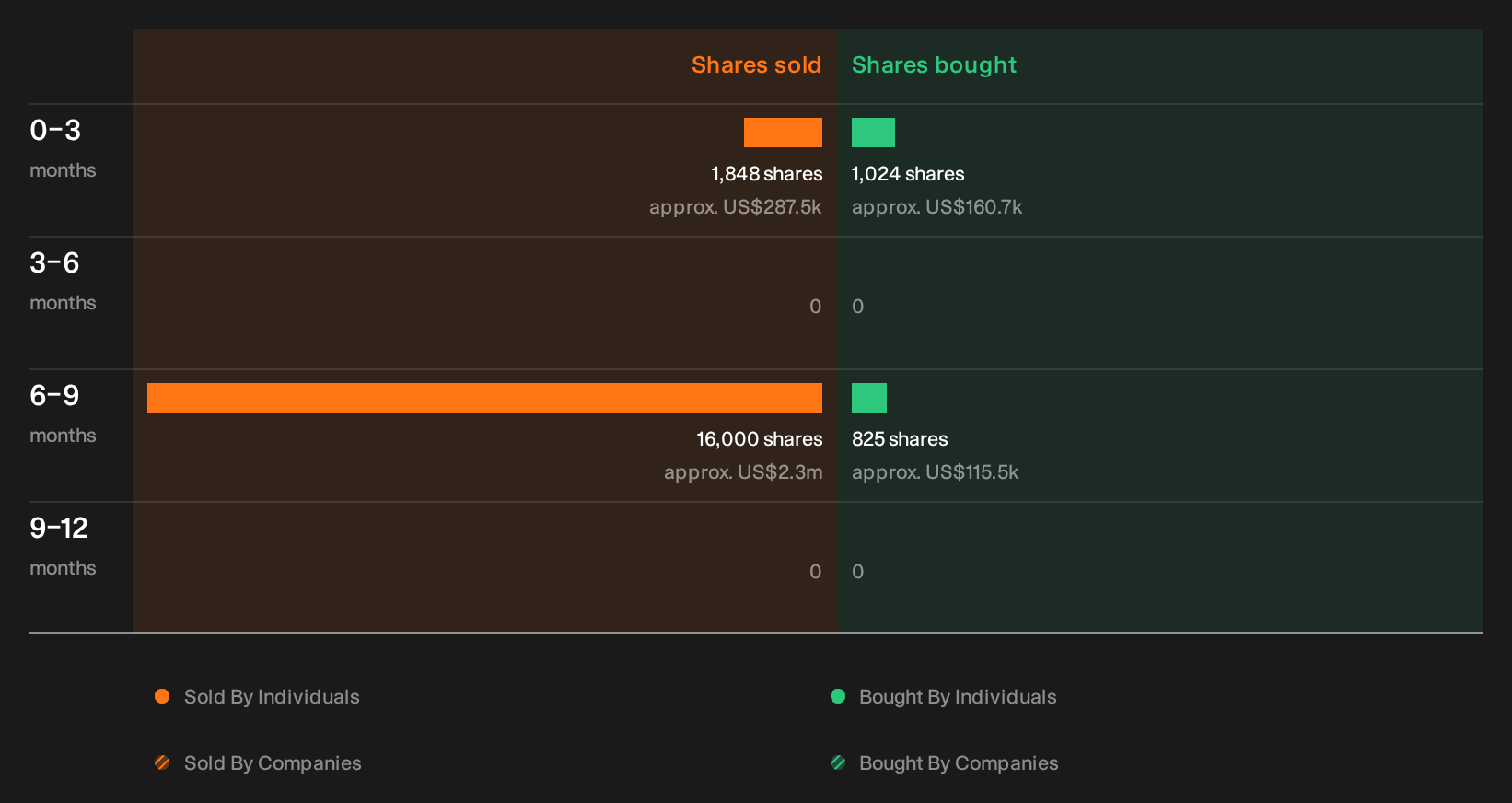
The valuation picture for Bank First only goes so far without checking what company insiders have been doing with their own holdings, and recent transactions by key individuals are sitting in plain sight for you to review. See the recent insider selling flagged for Bank First.
Have feedback on this article? Concerned about the content? Get in touch with us directly. Alternatively, email editorial-team@simplywallst.com