
Missed Megaworld's Run? Here Is What Holders Saw
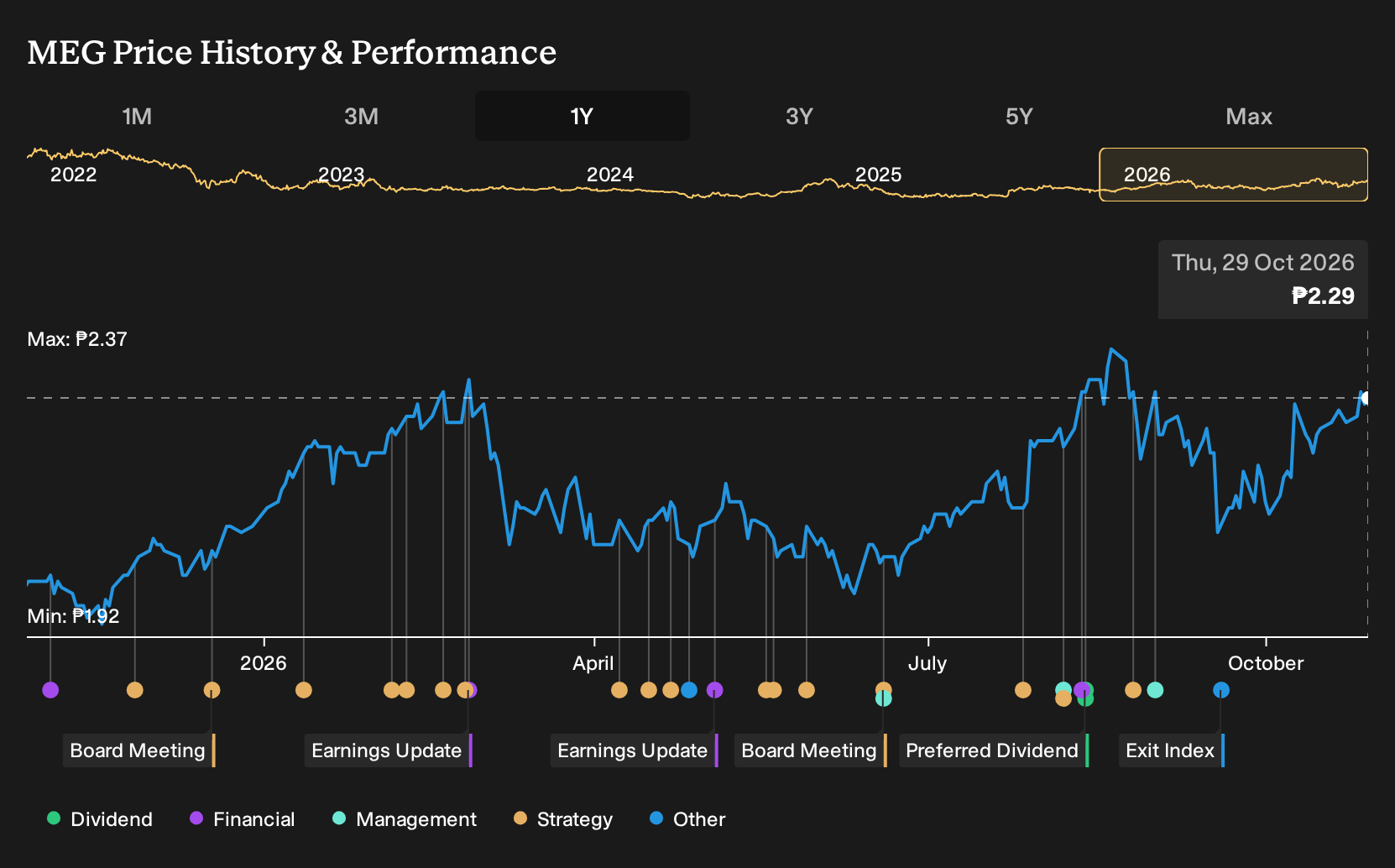
If Megaworld was on your watchlist instead of in your portfolio, the past year may feel expensive. Investors who held Megaworld over the past year are up 21.3%, including dividends. That outcome invites a harder question. What clues, tucked into expectations for township tourism projects and upper middle to high end buyers, might have helped you judge whether modest 1.9% revenue growth assumptions were too cautious or just right before the move happened?
On Simply Wall St, a Narrative is an investor's thesis written down: the reasoning, plus the numbers it rests on. Run those numbers and you get an estimated Fair Value.
The easy part of this move is behind Megaworld. Zero in on 190 high quality undervalued stocks for companies trading below our estimates.
The Two Megaworld Stories Investors Had To Weigh
The shares cost ₱1.99 at the start of the period, and Megaworld sat between two very different but reasonable stories about its future.
On the optimistic side, the bull Narrative saw tourism townships and upper middle to high end projects supporting a Fair Value of ₱2.62. That view leaned on 1.9% annual revenue growth assumptions and a future P/E of 6.4x.
The bear Narrative argued that remote work, oversupply, and debt risks justified a Fair Value of ₱1.79. In that scenario, revenue was assumed to decline 2.1% a year even as profit margins edged up to 26.5%.
What The Results Changed For The Megaworld Story
The clearest fresh datapoint for Megaworld came from Q2 2026, when revenue reached ₱21,263.26m and net income hit ₱5,654.36m, both higher than Q2 2025. Net margin edged down from 26.9% to 26.6%. The mix of slightly stronger top and bottom lines with a softer margin cut both ways for the earlier bull and bear narratives.
The useful takeaway is simple. When a thesis leans on small changes in profitability, track the reported net margin each period and see whether it moves toward or away from those written assumptions.
What Megaworld's Price Already Assumes
Megaworld now trades at ₱2.29, with the selected cautious Narrative placing its Fair Value below that market level. The gap reflects concern that hotel expansion and township projects may not fully offset pressure in core office and residential exposure.
The question for anyone paying today is what must keep going right. A buyer has to judge whether demand and pricing can stay firm even if office tenants, homebuyers, and lenders all turn more selective at the same time.
"Shifting work patterns and demographic challenges threaten demand for Megaworld's core office and residential segments, risking slower growth and compressed margins. Aggressive expansion, high debt, and environmental risks expose the company to refinancing challenges, higher costs, and pressure on future earnings and asset values."
One Narrative has put a figure on that disagreement. → See the Narrative with its lower Fair Value, assumptions and all
Where Megaworld’s Demand Might Echo
Megaworld depends on people working, living, and spending inside its developments. That same activity quietly strains electricity grids behind the scenes.
Offices, hotels, and retail spaces all rely on consistent power. When tenants run energy hungry systems, they need grids that can cope.
Another business focuses directly on that pressure. It designs and maintains equipment that helps generate and route electricity where needed.
As more activity clusters in dense projects like Megaworld’s townships, demand shifts upstream. Grid hardware and long term service contracts can quietly gain importance.
The argument comes with a number attached. → Uncover the power-grid company trading 31% below one Narrative's Fair Value
Have feedback on this article? Concerned about the content? Get in touch with us directly. Alternatively, email editorial-team@simplywallst.com