
3 UK Retail Bank Stocks After the ISA U Turn and Tax Rate Shock
UK retail banks are back in the spotlight after the ISA rule U turn and a higher surcharge lifted the effective tax rate to 31%, forcing investors to rethink what UK Domestic Retail Banks are really worth. This shake up creates both potential mispricing and fresh risks. In this article you will see three UK listed retail bank stocks that look most exposed to the ISA news and why that matters for your portfolio.
The stocks covered below are just a starting sample, since the full screen surfaced 7 more UK Domestic Retail Banks with equally compelling narratives that are not discussed in this article. If you want to go deeper right now, head straight to the UK Domestic Retail Banks screener to identify, filter and analyze the UK retail banking ideas that best fit your own thesis.
Shawbrook Group (LSE:SHAW)
Shawbrook Group slots neatly into the UK Domestic Retail Banks theme because it is a specialist lender built squarely around UK savers, SMEs and property borrowers, giving you clear exposure to how domestic policy shifts affect everyday deposit and lending economics.
Shawbrook Group runs a focused UK lending and savings model across SMEs, real estate and consumer finance, with around £204 million from SME lending, £174.6 million from commercial real estate, £126.5 million from retail mortgage brands and £43.6 million from consumer finance, and a market value of about £1.43b.
"The growing use of specialist lenders by U.K. SMEs and property investors, combined with Shawbrook Group’s 6% share of an estimated £300b addressable market, gives scope to reallocate its diversified loan book toward higher risk adjusted niches, which can support revenue and earnings."
The real question is how one quiet shift in funding behaviour could change the balance between margin resilience and growth for Shawbrook Group.
To see how that trade off really plays out, read the full narrative for Shawbrook Group and see how funding shifts, pricing power and risk appetite could be decoupling.

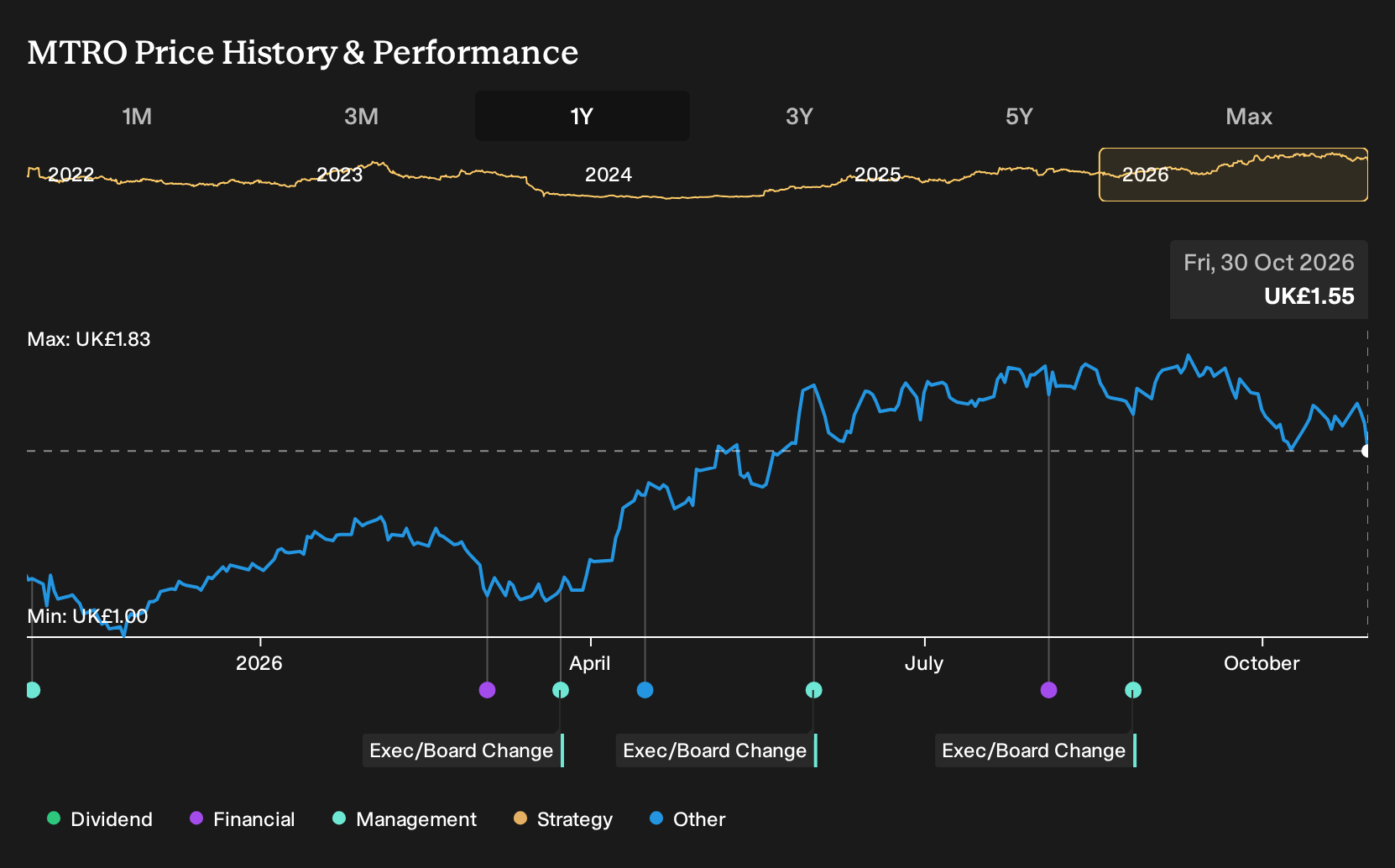
Metro Bank Holdings (LSE:MTRO)
Metro Bank Holdings is one of the purest plays on the UK Domestic Retail Banks theme, with a branch-led model that leans heavily on current accounts, everyday deposits and mortgages. This makes how it attracts and retains UK customers central to the ISA story.
Metro Bank Holdings runs a single banking segment that generated about £580 million of revenue in the United Kingdom, giving full exposure to UK retail and small-business banking. The stock carries a market value of roughly £1.04b.
"Metro Bank's relationship-led banking model, supported by a high proportion of low-cost, noninterest-bearing deposits (43% vs. 18% market average), increases deposit stickiness and supports low funding costs. This may position the company to attract customers seeking personalized service amid rising financial literacy and demand for differentiation."
One potential consideration is what could happen if a less visible shift in tax and product rules were to change how those loyal deposits behave over time.
If that slow burn in deposit behaviour is what you are watching, read the full narrative for Metro Bank Holdings to see how Metro Bank Holdings’ branch-led model could still surprise optimists.
Standard Chartered (LSE:STAN)
Standard Chartered gives you a different angle on the UK Domestic Retail Banks theme, since it is a London headquartered, UK listed lender with a broad retail and wealth franchise alongside a large international footprint.
Standard Chartered runs Corporate & Investment Banking that produced about US$13.1b and Wealth & Retail Banking that generated roughly US$8.8b, supported by central items and segment adjustments, and the business carries a market value near £44.5b.
For investors curious about how this mix can compound value, the main point of interest is how its affluent focused engine is already turning.
"Continued progress toward the 2025 to 2028 affluent net new money goal, with around US$84b already added over six quarters and Wealth Solutions income in 2026 repeatedly above US$1b per quarter, points to further monetisation of a growing asset base that can support higher fee income and earnings."
The catch is what happens to that earnings path if one unseen policy and tax pressure quietly reshapes where future capital gets pointed.
If that quiet policy pressure is what you are weighing, read the full narrative for Standard Chartered to see how Standard Chartered’s affluent engine could still be just getting started.

Seeking Alternatives Before Momentum Flies
Fresh opportunities rarely stay under the radar for long. Some themes are already building quiet breakout momentum. Check these curated ideas before the crowd catches on and act now.
- Spot cash generative compounders early and scan the 14 high quality undervalued stocks while valuations still look reasonable and interest feels subdued.
- Track the next wave of automation and filter the 95 robotics and automation stocks before capital chases the same stories and entry points start dropping.
- Position ahead of capital flows and review the 5 resilient stocks with low risk scores while risk scores remain muted and quality is still priced as if ignored.
Have feedback on this article? Concerned about the content? Get in touch with us directly. Alternatively, email editorial-team@simplywallst.com