
Visa Stock And Other Safe Havens for Crypto Flight to Safety
The Binance hack, the hit to Bitcoin and Ethereum ETFs, and growing pushback on tokenized shares have thrown a harsh spotlight on where digital assets actually feel “safe.” When money pulls back from offshore platforms, it often looks for sturdier ground. That shift can create openings as well as traps. This article walks through three stocks tied to this safety trade, and how the same headlines could help or hurt each one.
The stocks covered next are just a starting sample, because the full screen flagged 16 more regulated exchanges, clearinghouses and custodial banks with equally compelling safety-first narratives that are not broken out in this article.
To go beyond the highlights and quickly identify which regulated infrastructure platforms line up with your own risk, size and income preferences, head straight into the Regulated Exchanges and Custodial Banks Benefiting From Crypto Flight to Safety screener
Inter & Co (INTR)
Overview: Inter & Co is a Brazil based digital bank and investment platform that bundles payments, lending, investing, insurance and shopping into one regulated “super app” for customers in Brazil and the U.S., which fits cleanly with the flight to safer venues theme.
Operations: Inter & Co generates about R$5.5b from Banking & Spending, roughly R$706m from Other lines and R$424m from Inter Shop, with all reported revenue of about R$6.7b coming from Brazil.
Market Cap: US$1.8b
Inter & Co matters in this screen because it looks like a digital on ramp where everyday savers can keep money, invest and transact inside a supervised banking platform rather than pushing more cash into loosely monitored crypto venues.
"Ongoing rapid user growth and rising engagement, now reflected in 45.3 million clients, 26 million active users and 22 million daily logins, keeps Inter & Co funneling more activity through its platform."
The real swing factor is how unseen pressures on its credit book and funding costs could shape profitability as more users join the platform.
If that credit and funding tension is what interests you, read the full narrative for Inter & Co to see how those pressures interact with user momentum and potential profitability inflection.

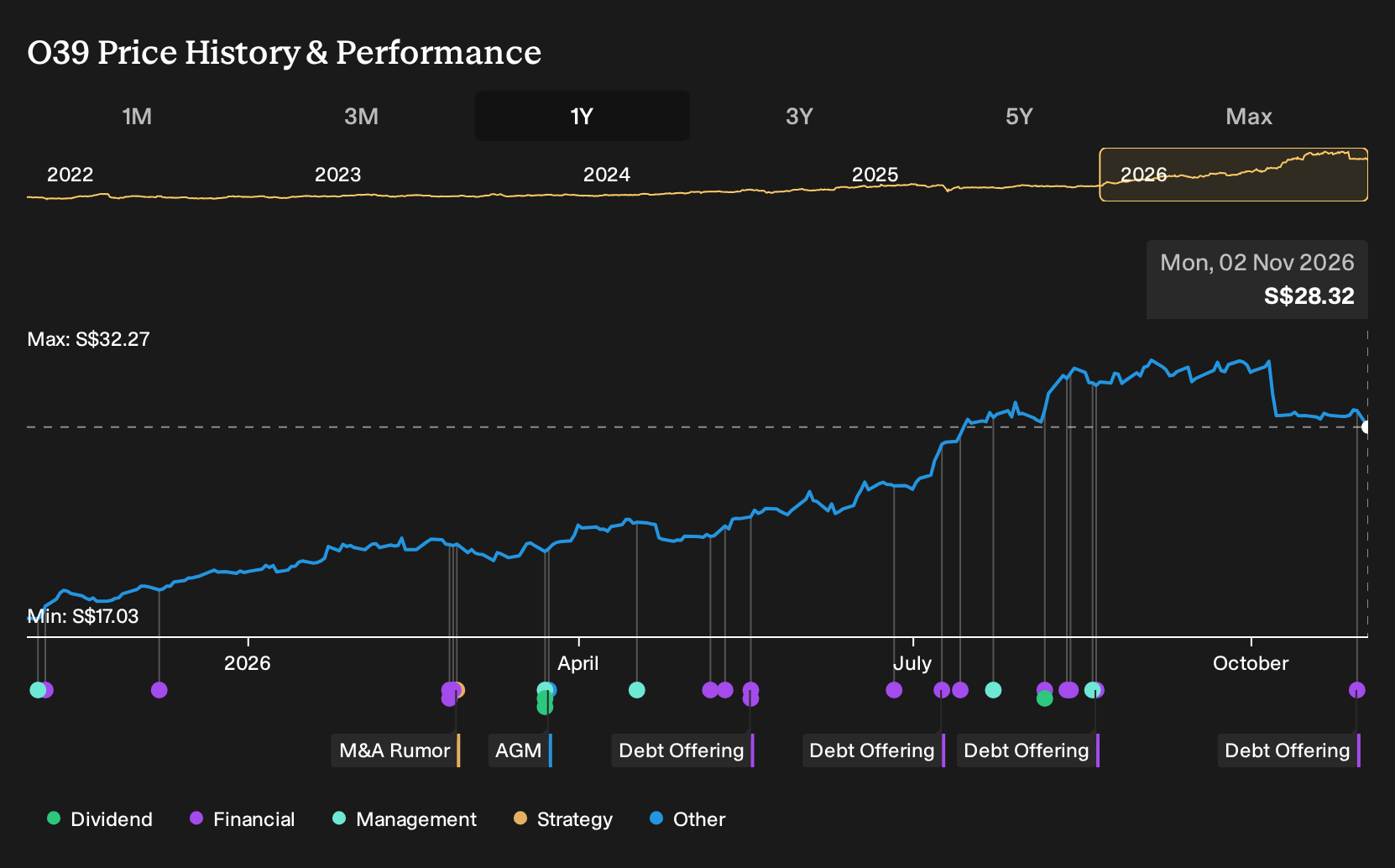
Oversea-Chinese Banking (SGX:O39)
Overview: Oversea-Chinese Banking is a large Singapore headquartered bank offering retail, corporate, markets, insurance and wealth services across Asia and beyond.
Operations: Oversea-Chinese Banking generates about S$5.7b from Global Consumer/Private Banking, S$5.6b from Global Wholesale Banking, S$2.1b from Insurance and S$1.5b from Global Markets.
Market Cap: S$127.2b
Oversea-Chinese Banking fits this safety focused screen as a highly regulated regional lender that channels cross border money flows through tightly supervised banking, custody and treasury services instead of lightly policed offshore platforms.
"The expansion of OCBC's wealth management and insurance platform remains central, with wealth income contributing 41% of group income in 1H26 and Great Eastern shifting toward higher margin protection products, which is likely to keep fee income and insurance profit as key supports for group revenue and earnings."
What really matters now is how one quiet shift in where clients park long term assets feeds through to pricing power and fee resilience.
That quiet shift in long term asset parking is exactly what the full narrative for Oversea-Chinese Banking unpacks, highlighting where pricing power could be building or stalling next.
Visa (V)
Overview: Visa runs a global payment network that processes card and digital transactions for consumers, merchants, banks, fintechs and governments worldwide.
Operations: Visa generates about US$45.9b from Payment Services, reflecting its focus on transaction processing, value added services and related fees.
Market Cap: US$769.1b
Visa matters in this safety focused screen because it channels digital money movement through a regulated, global set of rails instead of opaque offshore pipes.
"Continued build out of cross border and money movement solutions, including Visa Direct reaching 18 billion endpoints and about 12.5 billion to 12.6 billion transactions last year, together with scaled stablecoin settlement on nine blockchains, is broadening Visa's fee pools and can support net revenue and EPS growth."
The swing factor is what happens to Visa's rich profitability if one emerging set of higher growth services scales differently than investors currently expect.
That profitability question is exactly where the full narrative for Visa goes next, unpacking how Visa's money movement engine could accelerate or stall as new services scale.

Seeking Alternatives Before The Crowd
Fresh themes move fast, and the strongest stories often gain momentum quietly before headlines catch up. Scan these under the radar ideas while it matters and evaluate them early.
- Explore potentially sturdier income streams by checking out 4 dividend fortresses, which focuses on cash rich businesses aiming to keep payouts flying while many investors remain focused on flashier stories.
- Review structural shifts in automation by looking at 95 robotics and automation stocks, curated for companies building the hardware and software backbone of the next productivity wave before prices fully reflect their value.
- Consider positioning for the AI build out by screening 53 AI infrastructure stocks, which features firms supplying the power, chips and data infrastructure that early movers monitor closely.
Have feedback on this article? Concerned about the content? Get in touch with us directly. Alternatively, email editorial-team@simplywallst.com