
What Ashmore Group Holders Got Right
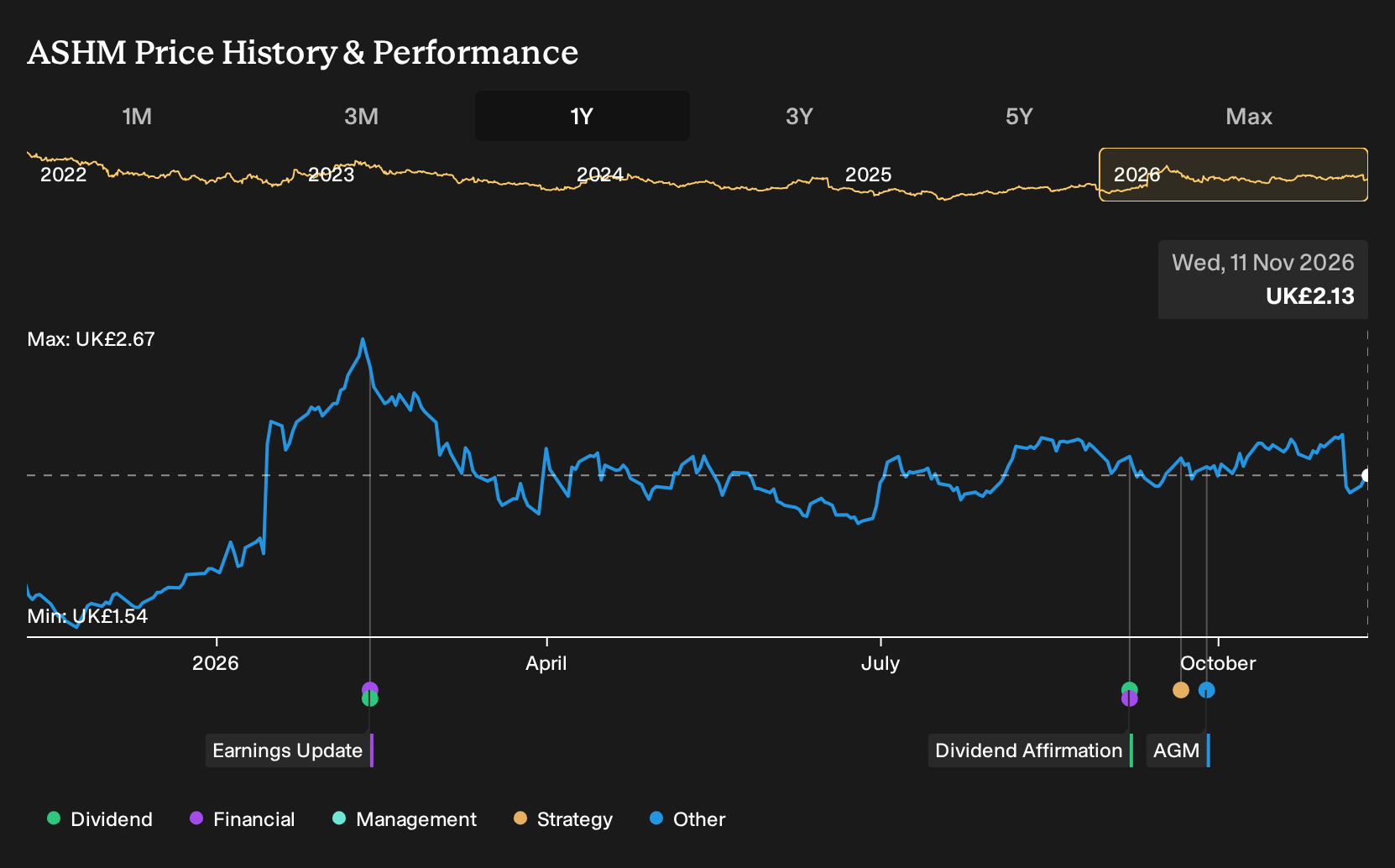
If Ashmore Group sat on your watchlist instead of in your account, the outcome may feel like a lesson in hesitation. For Ashmore Group shareholders, the return over the past year was 39.6%, including dividends. That result arrived alongside fresh headlines about rising assets under management and a steady dividend, yet the real question sits back at the starting line. What, if anything, in the early bullish and cautious analyst assumptions about emerging market flows could have flagged this as worth closer attention?
If the move has made Ashmore Group harder to judge, start where the gap is still open and scan 17 high quality undervalued stocks.
The Two Stories Investors Had To Weigh On Ashmore Group
At the start of the period, Ashmore Group shares cost £1.66 and investors were pulled between a growth story in emerging markets and concern about pressure on the business model.
On the bullish side, one narrative pointed to a Fair Value of £2.21, a price implied by assumptions of 8.3% annual revenue growth and a future P/E of 27.3x. That view hinged on Ashmore using its local offices and technology to win a larger share of emerging market allocations.
The cautious narrative worked off a Fair Value of £1.56, a level tied to expectations of revenue falling 4.8% a year and a future P/E of 18.6x. This camp focused on fee compression and the risk that high client concentration could translate into sharp outflows and uneven earnings.
What The Results Changed For The Ashmore Group Argument
The clearest development was Ashmore Group reporting assets under management of $54.5b, helped by $1.1b of net inflows and the lowest quarterly redemptions in over 15 years. That supported the optimistic view that client activity and flows could improve. The reported figures told a tougher story. Revenue reached £71.8m in H2 2026, while net income fell to £33.9m and margin dropped to 47.2%, so profitability backed the cautious case.
The lesson is simple. When a thesis turns on flows, do not stop at assets under management. Track whether revenue and net margin move in the same direction. Then test any growth story against those two lines first at other managers.
What Ashmore Group's Price Now Asks You To Believe
Ashmore Group now trades at £2.13, with this cautious analyst Narrative on Simply Wall St placing its Fair Value below that level based on its own assumptions. The gap reflects concern about how fee rates, operating costs and seed gains interact, rather than a simple claim about business quality.
This Narrative argues that for the current share price to stack up, an investor needs confidence that higher margin local offices, equities and alternatives can consistently counter fee compression and lighter performance fees. The key pressure point to test is whether underlying fee income can keep pace with costs as seed capital gains normalise.
"The main factor that has to go right is that growth in higher margin local offices, equities and alternatives continues to offset fee rate erosion and subdued performance fees so that underlying operating margins remain resilient."
Not everyone reads the same price the same way. → See the lower figure this Narrative lands on, and how it gets there
Looking Beyond Ashmore Group
Ashmore Group depends on capital moving into emerging opportunities. That flow begins when investors and corporate treasuries reposition their cash.
When money leaves a bank deposit, it often routes through a digital wallet or checkout button. That payment layer can subtly influence where funds travel next.
One large platform has centered its business on this bridge role. It processes transfers, powers online checkouts, and lets users shift balances quickly.
As more investors reconsider idle cash, that kind of gateway can quietly gain relevance. It may not manage portfolios, yet it handles money Ashmore hopes to attract.
The case is on the record, with the assumptions it rests on. → See the Narrative that values this company 38% above its price
Have feedback on this article? Concerned about the content? Get in touch with us directly. Alternatively, email editorial-team@simplywallst.com