
On the first day, the market capitalization soared 38% and approached 6 billion dollars. Can Yibi Technology (02065) use “physical AI” Dongfeng to cross the Hong Kong Stock Connect threshold?
The drama of Hong Kong stock sentiment being transmitted to IPOs was played on a microtechnology (02065).
On the first day of listing, Yiwei Technology showed strong emotional flexibility. It opened 37.58% higher at HK$13.62. In the intraday period, it also surged to HK$18.11, an increase of more than 82% over the issue price. Although affected by the cashout of some short-term profit orders in the afternoon, the stock price declined to a minimum of HK$13.06, but stabilized at the end of the session and finally closed at HK$13.68. The increase was locked at 38.18% throughout the day, with an amplification of 51.01% throughout the day, and the turnover reached HK$242 million.
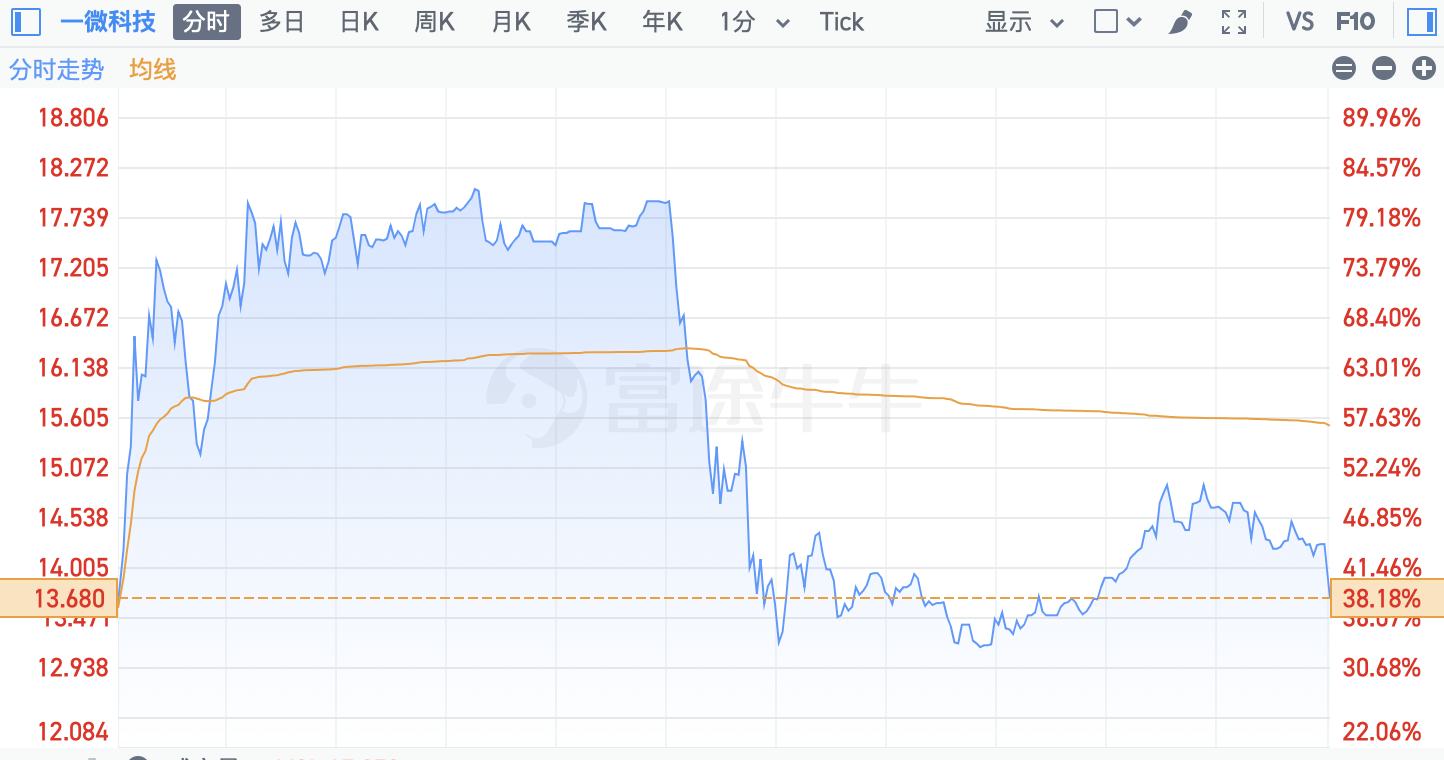
For an 18C specialty technology company that has just entered the capital market, the complete trading cycle from “big opening” to “high position change” to “stabilizing at the end of the market” was completed on the first day, which not only confirmed the market appeal of the physical AI concept, but also laid a real liquidity foundation for its subsequent market capitalization performance. As the deadline for the semi-annual review data of the Hang Seng Composite Index at the end of December approaches, the market capitalization sprint time left for a micro technology is less than two months. With the market capitalization already jumped to HK$5.907 billion on the first day, the market is holding its breath: can it use the momentum to cross the Hong Kong Stock Connect threshold in one fell swoop?
Undertones of the sharp rise in capital on the first day
According to the Zhitong Finance App, getting a “ticket” from Hong Kong Stock Connect quickly is almost a common demand for any small-cap IPO that has just landed in the Hong Kong Stock Exchange, and the capital logic behind it is very clear. First, the southbound capital introduced by the Hong Kong Stock Connect is an important incremental source of activity. This liquidity support not only effectively boosts the valuation center of the target, but more importantly, it has built a “buffer” for the company to cope with the lifting of the ban in the future — the carrying capacity of Southbound Capital can largely counteract the selling pressure brought about by the lifting of the ban; secondly, being included in the Hong Kong Stock Connect also means a jump in stock trading activity. This has an irreplaceable effect on maintaining long-term financing capacity and market attention after listing.
Driven by this expectation of “breaking through”, the first-day intraday capital game was particularly critical. Looking back on the market performance on the first day of the listing, in addition to being catalyzed by the sentiment of the physical AI concept, the deeper reason was the extreme scarcity of chips in circulation: the scale of the public sale was limited, the shares of the foundation and key players were locked in for a long time, there were very few chips that could actually be freely traded on the first day, and the “return to the edge of supply” effect was rapidly amplified under the low circulation market, which became the direct trigger for the sharp rise in prices on the first day.
If the high level of open source on the first day was due to the scarcity of the circulation market, then the seat data revealed after the market injected a dose of strength into the company's medium- to long-term liquidity. Judging from the seat changes on the first day of Imicro Technology's listing, the capital showed clear characteristics of “institutions scrambling for funds, and retail investors settled in profit”. On the net buying list, Futu Securities topped the list with a net purchase of over 260,000 shares, followed by nearly 90,000 shares. Leading Chinese and foreign institutions such as BOC International, HSBC Securities (Asia), China Galaxy International, ABB, and DBS Weigao are all on the list, showing a significant net inflow trend; most of the corresponding net sellers are brokerage firms that serve local retail investors and invest in new capital in the short term.
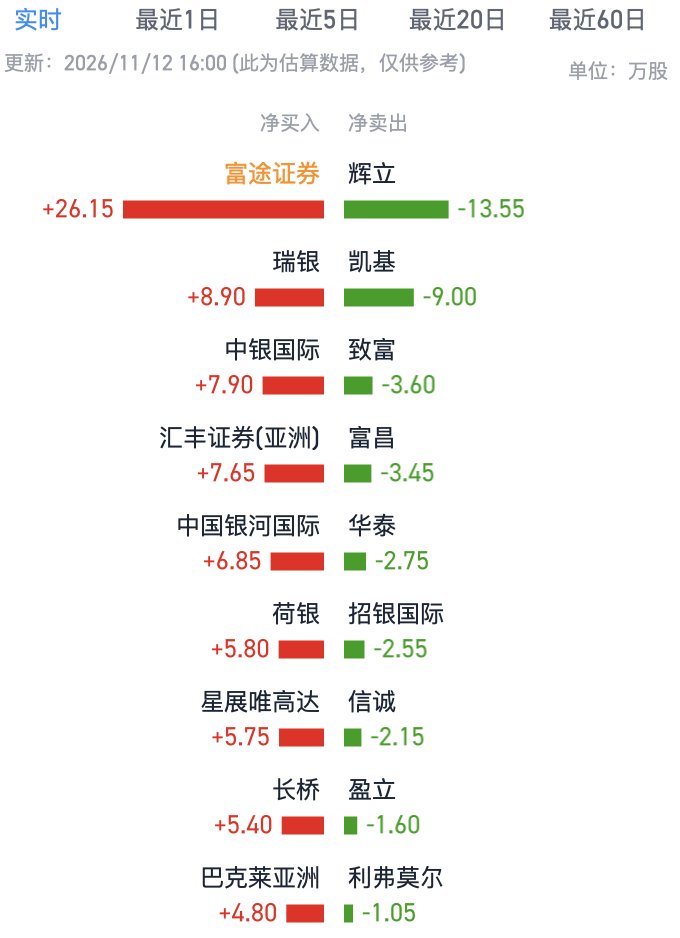
The signal conveyed by this seat map is very clear: a microtech chip is being transferred from making fresh capital in the short term to institutions and high-net-worth accounts with the ability to hold long-term positions. More importantly, Futu Securities, Bank of China International, and China Galaxy International are all core trading participants in Hong Kong Stock Connect. The massive net purchase of these seats on the first day of listing not only provided a solid bearing capacity for the stock price, but also meant that the capital behind them had strong “entry” expectations. For 18C specialty technology companies, being included in the Hong Kong Stock Connect not only means attracting huge southbound capital, but is also a key point in achieving leaps and bounds in the company's liquidity and valuation center.
Stability of the placement structure
Judging from the chip distribution, in the end, only 7.169 million shares of the public sale were available for retail investors. The 9.9 million shares held by the two cornerstone investors were locked up until May 2027, while the ban on shares with key players accounting for 27.54% of the post-listing share capital will not expire until November 2027 at the latest. This means that the actual free circulation of chips at the beginning of the listing was quite limited, and short-term selling pressure was relatively manageable, providing structural bottom support for the price increase on the first day and subsequent market value recovery.
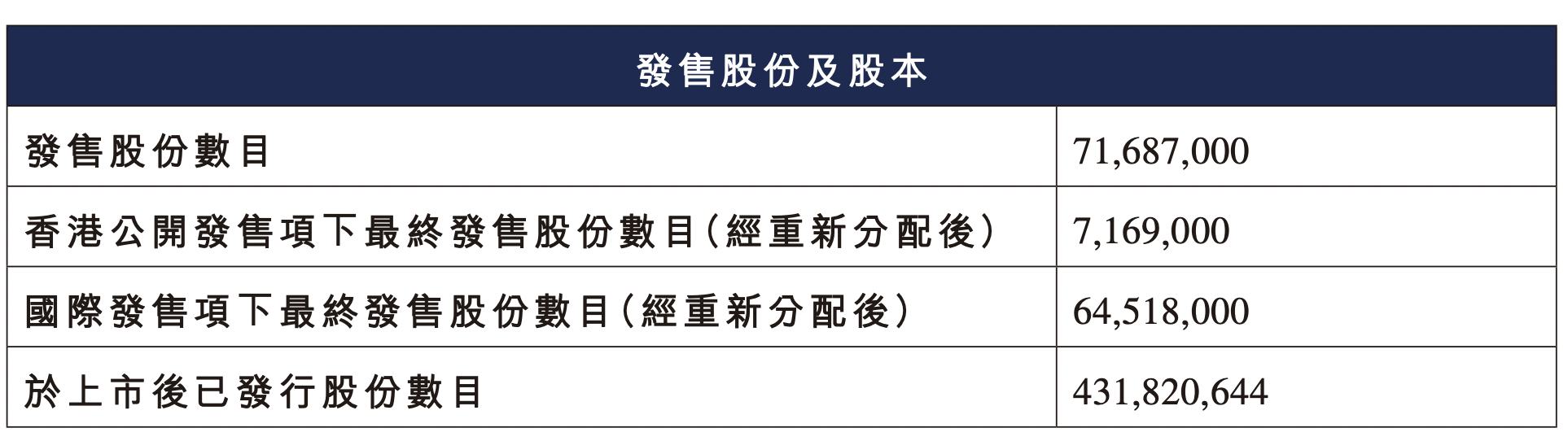
In terms of the placement structure, Yiwei Technology's international sale received 1.05 times the subscription. However, in the recent general environment where the overall Hong Kong stock market is cold and institutions are cautious, it can be successfully issued in full. It itself has shown that hard technology targets still have basic institutional allocation requirements. More importantly, its cornerstone lineup shows a strong industrial depth: Wu Yuefeng Capital continues to grow as an old shareholder, reflecting the long-term optimism of established semiconductor specialty capital on robot navigation chip tracks; Guangpu Hong Kong is backed by A-share Guangpu's smart hardware industry chain, and the two sides are worth looking forward to in the future collaboration space in the physical AI hardware ecosystem.
Performance and gross profit balance recovery
According to the Zhitong Finance App, Yibi Technology was founded in 2014. Its core capability is to develop its own SLAM SoC and supporting algorithms, sensors and motion control tool chains, which is equivalent to providing intelligent mobile robots with full-link capabilities of “sensing - mapping - planning - operation control”. In terms of revenue in 2025, the company ranked third among intelligent mobile robot solution providers in China, with a market share of about 4.2%; among them, single-mode solutions ranked first, with a market share of about 2.2%; multi-modal solutions ranked third, with a market share of about 5.9%.
Judging from performance, revenue side growth is quite solid. From 2023 to 2025, the company's revenue was 206 million yuan, 286 million yuan, and 407 million yuan respectively, with a compound annual growth rate of about 40.5%; revenue for the first four months of 2026 was 130 million yuan, an increase of about 50.7% over the previous year. The trend of improving gross margin was remarkable, from 6.1% in 2023 to 27.7% in 2025, mainly benefiting from the increase in the share of high-margin multi-modal solutions and the release of scale effects. In 2025, multi-modal solutions became the largest source of revenue. In the first four months of 2026, multi-modal plan revenue increased by about 36.8% year-on-year, the average selling price increased markedly, and the gross margin remained around 38%, which was significantly higher than that of single-modal products.
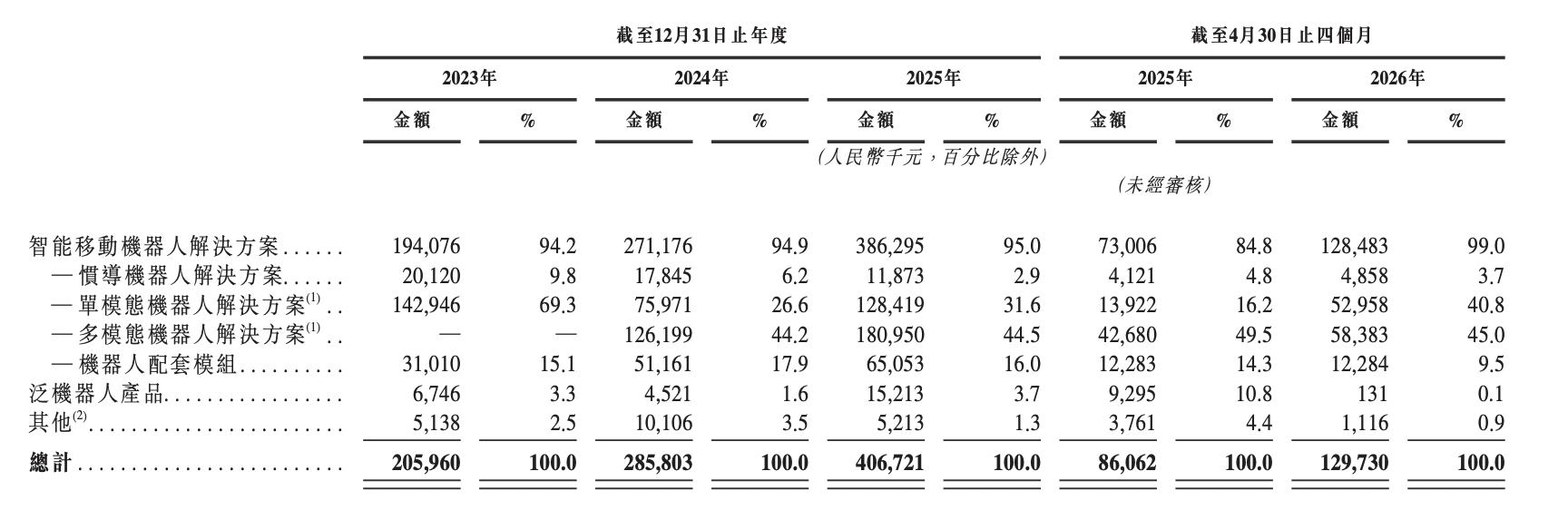
The profit side remains the focus of the market's attention. From 2023 to 2025, the company's adjusted net loss was 113 million yuan, 98.86 million yuan, and 51.12 million yuan respectively. However, the adjusted net loss increased to about 65.76 million yuan in the first four months of 2026, and gross margin fell back to 23.9%, mainly affected by rising wafer prices and rising packaging and testing costs. For Fabless chip design companies, fluctuations in upstream costs are directly transmitted to gross profit, and there is a time lag in product price adjustments, so it is not surprising that short-term profits are under pressure. As multi-modal high-margin products continue to be deployed and scale effects are further unleashed, gross margin still has room for repair.
Taken together, thanks to scarce card slots in the robot-specific SLAM SoC field and the high market sentiment brought about by the physical AI concept, Yiwei Technology achieved a sharp rise in stock prices on the first day of listing. Although the extreme scarcity of trading chips on the first day increased the volatility of stock prices, judging from the flow of capital seats, the entry of institutions and high-net-worth capital is transforming short-term games into medium- to long-term chip accumulation.
As far as “access” is concerned, under the current resonance of the Hong Kong stock technology stock valuation repair and the physical AI boom, if Yibi Technology wants to stand out in the semi-annual review of the Hang Seng Composite Index at the end of December, its subsequent market value will need to maintain stability on the current basis and achieve continuous growth. However, in the short term, its performance growth inertia and the compound revenue growth rate of up to 40% will lay a solid foundation for the stock price market capitalization sprint. To a certain extent, this will significantly increase the company's “entry” probability, and the subsequent probability will usher in a wave of valuation repair market driven by “entry” expectations.