
3 AI Chip Stocks to Watch Beyond Nvidia Stock
Nvidia’s shock leadership shakeup and legal scrutiny has cracked open a rare window in AI hardware, as investors reassess who really controls the picks and shovels of this gold rush. Sudden uncertainty at a giant like Nvidia can redirect attention, capital and expectations. This article walks through three stocks exposed to that same news, helping you decide which stories might deserve a closer look, and which might not.
The sample of stocks in this article is only a small slice of the opportunity set, as the full screen surfaced 59 more sizable AI semiconductor and infrastructure companies with equally compelling stories that are not covered below. To see the broader field and start identifying your own highest conviction ideas, head straight into the Non-Nvidia AI Semiconductor and Infrastructure Leaders screener
Giga-Byte Technology (TWSE:2376)
Overview: Giga-Byte Technology is a global producer of PC and server hardware that supplies AI-ready systems and components for data centers.
Operations: Giga-Byte Technology generates almost all revenue from its Brand Business Division at about NT$417.0b, with roughly NT$1.2b from its Other Business Group.
Market Cap: NT$193.9b
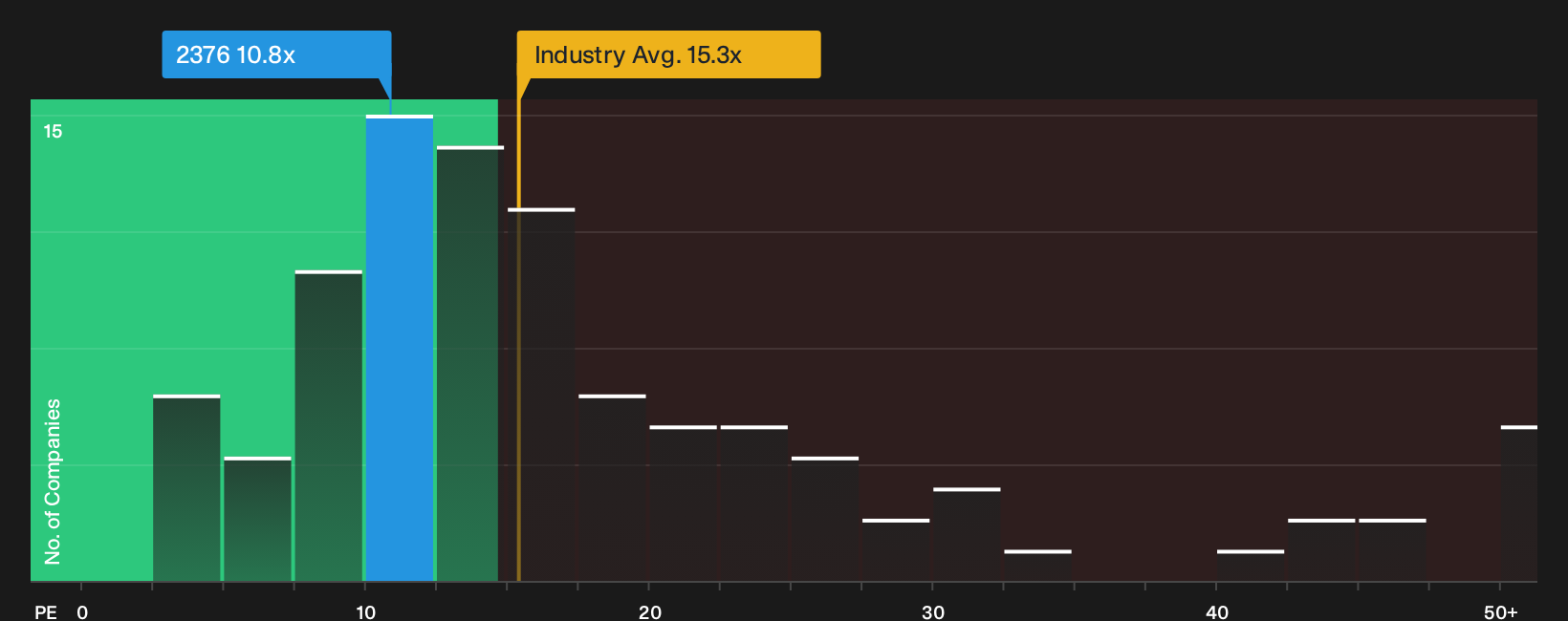
Giga-Byte Technology gives you exposure to AI servers and accelerators at the platform level, selling motherboards, GPUs, and AI-focused racks that can host non-Nvidia chips. The stock combines that AI hardware angle with earnings and revenue growth forecasts and a relatively low P/E, while dividend coverage and debt mean the story ultimately turns on one unseen pressure inside its cash generation.
That hidden strain on cash flow is exactly why the 3 warning signs (2 are major!) could change how you size Giga-Byte Technology in an AI-heavy portfolio.
JCET Group (SHSE:600584)
Overview: JCET Group provides semiconductor packaging, testing and back-end services that prepare advanced chips for use in AI accelerators and data centers.
Market Cap: CN¥97.4b
JCET Group gives you exposure to the plumbing behind non Nvidia AI chips, handling packaging and test for processors that power data centers, edge AI and automotive systems. Earnings and revenue are both growing at double digit rates, yet future profitability still depends on how one unresolved funding and governance pressure plays out.
That funding question is exactly where curious investors should zero in with the 5 key rewards and 1 important major warning sign to see what might be masking or amplifying JCET Group’s AI leverage.

CEVA (CEVA)
Overview: CEVA licenses silicon and software IP for wireless connectivity and AI accelerators, helping chipmakers build non Nvidia AI and edge compute hardware.
Operations: CEVA generates about US$116 million from licensing intellectual property, primarily to customers in China, the United States and wider Asia Pacific.
Market Cap: US$769 million
CEVA matters in this screen because it supplies the blueprints and tools for alternative AI processors, and the analyst consensus Narrative on Simply Wall St frames how that licensing engine might scale if demand shifts away from Nvidia centric systems.
"Accelerating customer adoption of CEVA's Edge AI NPUs (as evidenced by multiple new, high-impact licensing deals and the integration of NeuPro architectures across diverse markets like audio, video, and infrastructure) lays the foundation for materially higher royalty revenue per device as these AI-enabled products ramp into mass production over the next 18 to 24 months."
What happens to CEVA’s margins if one key assumption about how quickly those AI rich designs reach large volume production quietly breaks.
If that timing risk is on your mind, read the full narrative for CEVA to see how CEVA’s royalty engine could accelerate or stall as designs ramp.

Seeking Alternatives Before Everyone Else?
Fresh themes are breaking out while attention stays locked on Nvidia. Find under the radar ideas before the crowd, while the data still matters, and get in early.
- Identify early-stage turnarounds with stronger balance sheets and focused cash generation by running the 564 high quality undiscovered gems before momentum traders notice the shift.
- Explore income plays that aim to keep payouts steady while markets stay distracted by AI headlines by scanning the 216 dividend fortresses today.
- Follow infrastructure players involved in AI, data centers and electrification trends by using the curated 43 power grid technology and infrastructure stocks ahead of shifting funding interest.
Have feedback on this article? Concerned about the content? Get in touch with us directly. Alternatively, email editorial-team@simplywallst.com