
Nvidia Faces Its Biggest Test as Colette Kress Takes Over. Tom Lee Says Buy the Dip.
Nvidia’s (NVDA) sharp selloff in recent days was completely predictable — the company’s founder and longtime CEO, Jensen Huang, was forced to resign on Thursday, four days after the company opened an investigation into his contacts with a purported Chinese spy, as well as revelations that he had affairs with more than one Nvidia executive. The stock is down nearly 8% this week, and currently sits 30% off its all-time high.
But Fundstrat Global Advisors' Tom Lee isn't particularly worried. In fact, he’s recommending that investors buy shares of the artificial intelligence chipmaker, and argued in a note that Nvidia’s long-term prospects remain intact.
That's a bold call, given what's happened to Nvidia lately. But I also think it’s the right one.
Nvidia is facing some unprecedented times right now, and investors have every reason to be concerned. But when you take a step back and look at the company — and its unique position in the artificial intelligence community — I think it’s impossible to write off NVDA right now.
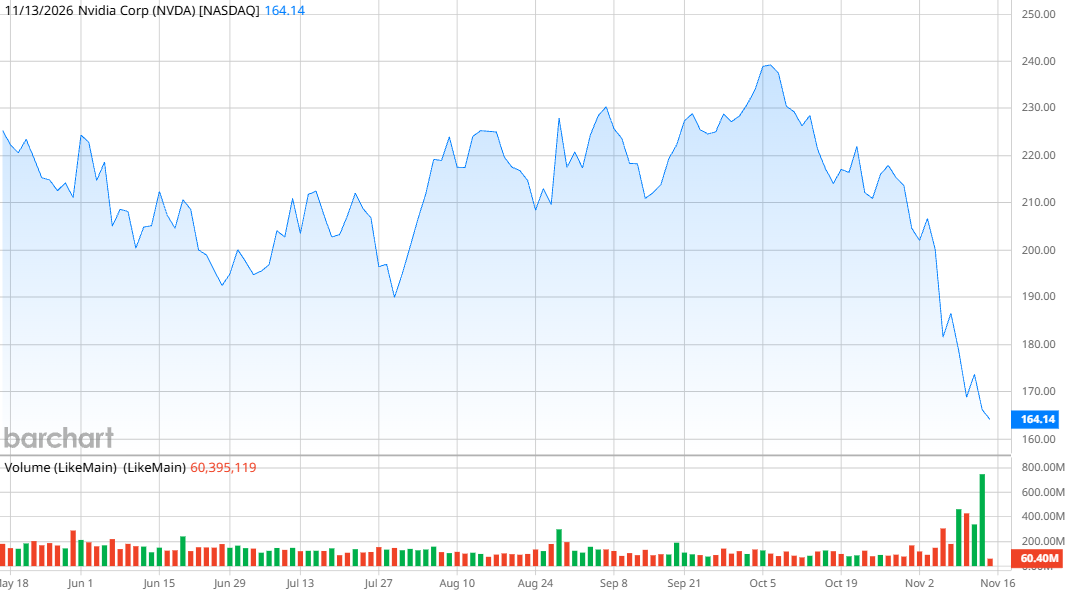
Nvidia Is Moving on From Jensen Huang
Huang's resignation on Nov. 12 ended his 33-year tenure at the company he co-founded in 1993. The immediate concern is whether his relationships exposed Nvidia’s secrets — in particular, his relationship with Alice Huang, a Chinese businesswoman and former executive at Singapore-based Megaspeed International, who U.S. intelligence officials believe was recruited to gather information for Beijing.
Huang has acknowledged extramarital relationships and apologized to his family, and China rejected claims that it spied on Nvidia. But the damage to the company and Huang’s reputation was already done, and Nvidia’s board replaced its longtime CEO with its chief financial officer, Colette Kress, on an interim basis.
Here’s the important part for investors: Huang's personal conduct cost him his job, but it doesn't necessarily mean Nvidia did anything wrong. But if investigations uncover negligence involving sensitive technology, that would be an entirely different matter. Nvidia is conducting its own investigation, and members of Congress have announced they are looking into it, too.
Replacing Huang won't be easy. He was closely involved in the company's product strategy, customer relationships, and remarkable growth.
Still, investors have seen successful technology companies move beyond their founders before. Apple (AAPL) continued growing after Steve Jobs died, Microsoft (MSFT) flourished after Bill Gates stepped away, and Amazon (AMZN) has expanded under Andy Jassy following Jeff Bezos' departure as CEO.
Nvidia could do the same.
Nvidia's Next Generation of Chips Could Be Even Better
The company's earnings results for the fiscal 2027 second quarter, ending July 26, 2026, demonstrate why investors have been so enthusiastic about Nvidia. Revenue more than doubled from the previous year, reaching $96.2 billion, and net income rose to $59.7 billion. Data center revenue also more than doubled from the previous year and accounted for $89 billion.
And the next chapter is already taking shape. Nvidia's next-generation Vera Rubin platform delivers substantial improvements in AI computing performance and efficiency. The company says the technology can provide 10 times the agent throughput of its Grace Blackwell predecessor, potentially reducing the cost of running increasingly sophisticated AI applications.
That’s even more important as AI companies begin deploying AI applications that require enormous amounts of computing power.
Nvidia is scheduled to report earnings next on Nov. 17, and it will arguably be the most important quarterly report in company history. Nvidia previously guided for approximately $108 billion in fiscal third-quarter revenue, and I want to hear about updates on Vera Rubin deployment and customer spending. Wall Street has a consensus earnings estimate of $2.49 per share, double the EPS from a year ago.
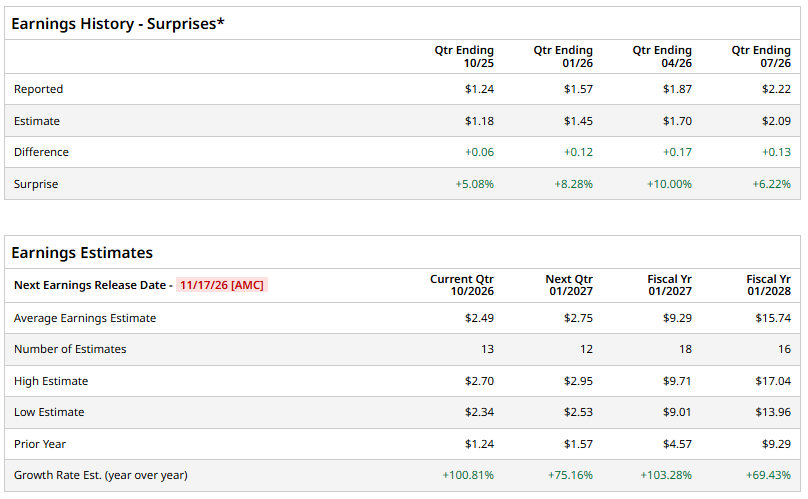
What Do Analysts Think About Nvidia Stock?
I happen to agree with Lee’s bullish take, but there are plenty of opposing opinions. Bernstein analyst Stacy Rasgon downgraded Nvidia stock to a “Hold” and cut his price target from $400 to $200. He said that while he believes in Nvidia’s AI business, he questioned whether the company can preserve what makes it special without Huang.
Melius Research analyst Ben Reitzes had a similar take, saying “nothing prepares you for what has happened at Nvidia.” He cut his price target from $315 to $185.
Undoubtedly, the investigation surrounding Huang deserves serious attention. Nvidia is a wounded company right now, and the headlines have been seismic. Lee's buy-the-dip argument makes sense for investors willing to accept the uncertainty. But with earnings approaching and serious questions still unanswered, there's nothing wrong with wanting a little more clarity before putting money to work.
On the date of publication, Patrick Sanders had a position in: NVDA . All information and data in this article is solely for informational purposes. For more information please view the Barchart Disclosure Policy here.