
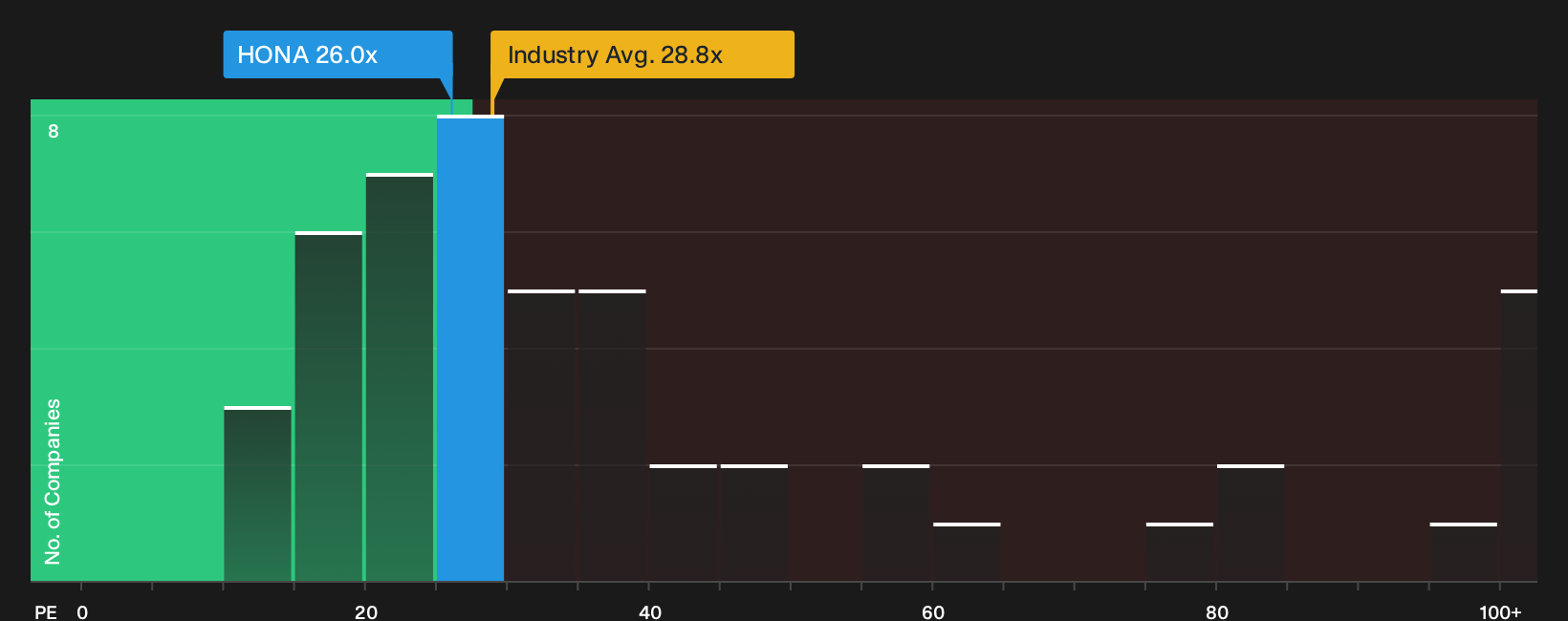
3 Hydrogen Stocks With P E Under 27
Oil back above US$96 a barrel has refocused attention on energy security and the cost of keeping the lights on. Investors are again asking how to power data centers, factories and transport without being hostage to fuel shocks. That is where hydrogen fuel cell power comes in. This article walks through three stocks from the hydrogen technology screen that aim to tap this shift toward alternative power sources.
The stocks below are just a sample, and the full hydrogen fuel cell technology screen surfaced 5 more companies with equally detailed narratives that are not covered here. To size up the broader opportunity set, head straight into the Hydrogen Fuel Cell Technology screener to identify, filter, and analyze the highest conviction hydrogen fuel cell ideas.
Honeywell Aerospace (HONA)
Overview: Honeywell Aerospace supplies engines, fuel-cell capable auxiliary power units, avionics, and control systems that keep commercial and defense aircraft powered and operational.
Operations: Honeywell Aerospace generates about US$5.6b from Engines & Power Systems, US$7.2b from Electronic Solutions, and US$5.2b from Control Systems.
Market Cap: US$53.7b
Honeywell Aerospace links to the hydrogen fuel cell theme through its Engines & Power Systems division, which provides fuel cells, electric power systems, and APUs that can be adapted for hydrogen in aircraft and ground support. Investors get exposure to that niche within a larger aerospace supplier, depending on how one unseen pressure plays out.
To understand how that pressure could reshape the story for Honeywell Aerospace, review the 3 key rewards and 3 important warning signs (2 are major!) for a closer look at the potential upside and pressure points hiding in plain sight.
Cummins (CMI)
Overview: Cummins Inc. builds engines, power systems, and electrified solutions, including hydrogen fuel cell systems and electrolyzers, for global transport and stationary power users.
Operations: Cummins generates US$11.5b from Engine, US$10.7b from Components, US$13.0b from Distribution, US$8.4b from Power Systems, and US$480 million from Accelera.
Market Cap: US$62.4b
Cummins matters for this hydrogen fuel cell technology screen because its Power Systems and Accelera units are building fuel cell powertrains and electrolyzers on top of a long established engine franchise. The bullish analyst Narrative on Simply Wall St sets out how that shift could reshape the earnings mix.
"The introduction of the HELM engine platforms with options for diesel, natural gas and hydrogen fuels can capture new markets and improve revenue and margins by offering flexible solutions for diverse customer needs, and Cummins now expects the 2027 on highway rollout to support margin positive pricing on new emissions compliant engines."
What happens if one assumption about how fast customers adopt multi fuel power platforms collides with management’s current plans for capacity and pricing?
If that timing question is on your mind, read the full narrative for Cummins to see how Cummins could accelerate or stall as hydrogen demand and engine regulation evolve.

PG&E (PCG)
Overview: PG&E supplies electricity and natural gas across northern and central California, while integrating fuel cell and distributed energy resources for grid resilience.
Operations: PG&E generates US$25.8b in revenue from the sale and delivery of electricity and natural gas to customers in the United States.
Market Cap: US$28.9b
PG&E matters for hydrogen fuel cell investors because its fuel cell based microgrids and distributed power projects sit directly inside a large-scale utility backbone, and the analyst consensus Narrative on Simply Wall St argues that this grid work ties into a long runway of regulated spending on resilience.
"Expanding opportunities for capital investment in grid modernization, wildfire mitigation, and resilience remain in focus, with PG&E reiterating a US$73b capital plan through 2030 and advancing large undergrounding programs and grid-edge sensing deployments. This supports future regulated earnings and rate base growth even after the announced US$2b reduction to 2027 capital spending."
For PG&E, one unresolved policy decision could sharply shift how much of that hydrogen enabled resilience spending actually reaches future earnings.
If that policy swing matters to you, read the full narrative for PG&E to see how PG&E’s capital plan could accelerate or stall shareholder outcomes.

Seeking Alternatives Beyond Hydrogen Fuel Cells
Fresh ideas move first. Screens packed with under the radar stocks can catch breakouts before momentum goes flying and early pricing windows start dropping. Scan the data and act now.
- Spot cash generative outliers early and review the 32 high quality undervalued stocks that bring together strong balance sheets and earnings power while they are still under the radar for now.
- Chase income that works harder for you and scan the 6 dividend fortresses before their yields get compressed by buyers arriving later to the story.
- Target durable stability and review the 29 resilient stocks with low risk scores so you see which resilient businesses are holding firm while volatility shakes out nervous capital.
Have feedback on this article? Concerned about the content? Get in touch with us directly. Alternatively, email editorial-team@simplywallst.com