
Lowered Sales Forecast Might Change The Case For Investing In Taylor Wimpey Shares
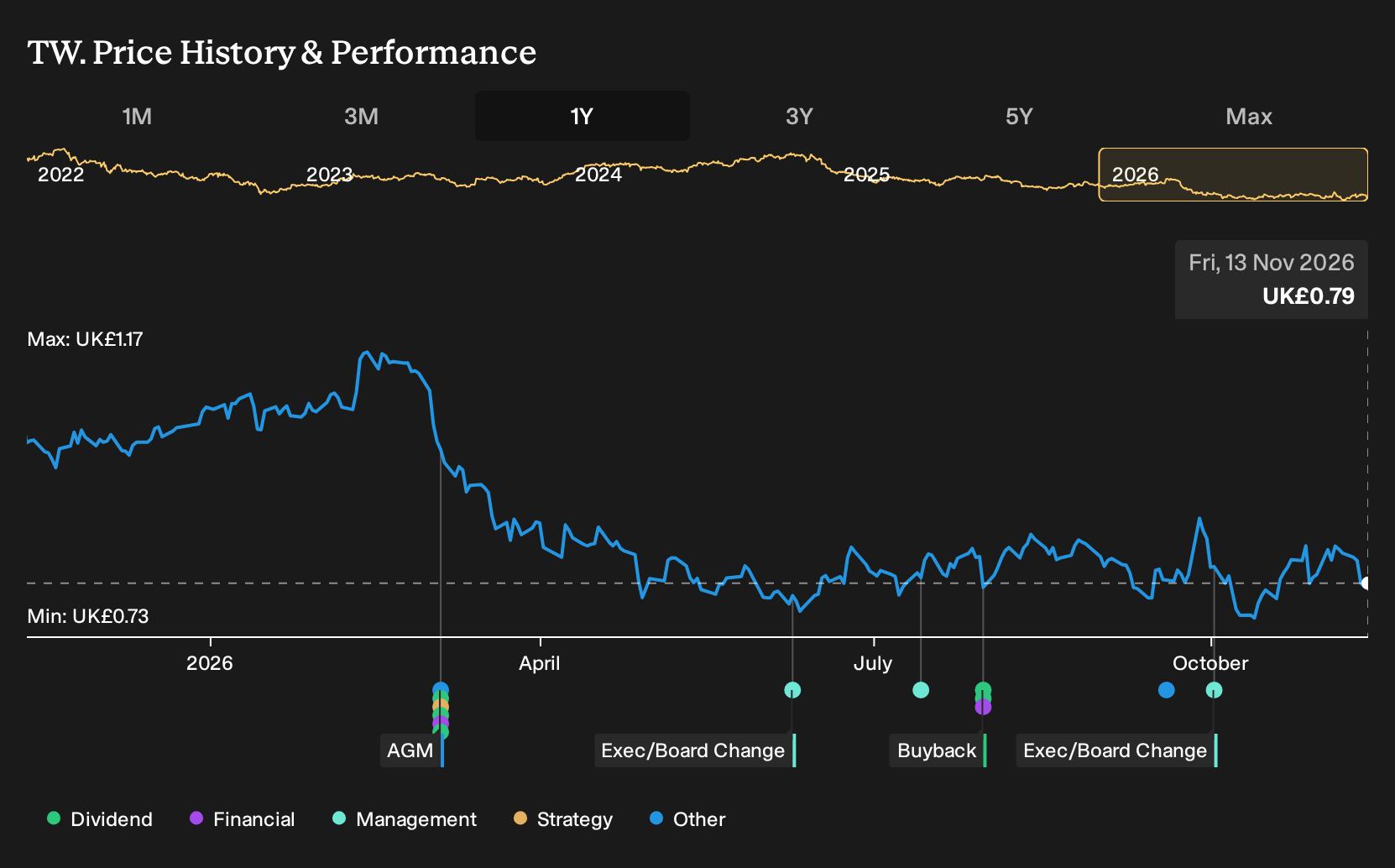
- Taylor Wimpey reported in its nine month 2026 trading update that higher mortgage rates are limiting buyer demand, leading the housebuilder to cut its full year home sales forecast to 10,500 units and guide adjusted operating profit toward the bottom of analyst expectations.
- The group also highlighted the UK Government’s Your First Home Scheme, which supports first time buyers through lower deposits and equity loans, signalling potential demand support even as near term buyer appetite appears constrained by borrowing costs.
- Next, the focus shifts to how Taylor Wimpey’s housing policy tailwinds intersect with softer demand from higher mortgage rates and what that implies for the business.
Compare Taylor Wimpey’s cooling demand with other builders that still show resilience by scanning our list of solid balance sheet and fundamentals (9 results) for potentially stronger housing exposure.
Taylor Wimpey Investment Narrative Recap
For Taylor Wimpey, the big picture is simple. You would need to believe that UK housing demand and mortgage affordability stabilise enough for volume and pricing to support steady building activity. The cut to full year home sales guidance and profit pointing toward the low end of expectations puts the near term spotlight on how quickly buyer confidence returns.
The key short term catalyst is any sign that reservations improve as mortgage costs settle or incentives like the Your First Home Scheme start to bite. The biggest risk is that elevated rates and hesitant buyers persist, which could pressure cash generation and make its dividend, already flagged as not well covered by free cash flow, harder to sustain.
The most relevant policy backdrop here is the UK government housing push described by 13111y, a Simply Wall St Community investor who wrote the Narrative. They point to the pledge to support construction of 1.5 million homes and planning reforms that could speed approvals. Taylor Wimpey’s experience in mixed tenure projects lines up with that direction.
If those reforms progress and local plans catch up, Taylor Wimpey could see better site visibility that helps offset current demand softness from higher mortgage rates. Affordable housing typically comes with tighter margins, as 13111y notes, so any volume uplift would still need careful cost control for it to translate into healthier profitability and support for shareholder returns.
On 13111y’s numbers, the narrative’s fair value of £1.05 for Taylor Wimpey rests on revenue rising 7.2% a year and the business reaching a 6.5% profit margin. Together, these assumptions point to stronger earnings power over time even if affordable housing carries tighter economics.
Discover why Taylor Wimpey's fair value reflects a 33% potential upside to its current price before sentiment narrows that gap.
Exploring Other Perspectives
One alternate view on Taylor Wimpey leans hard into margin pressure rather than volumes. Those bearish analysts were assuming revenue would only rise about 1.3% a year and earnings would slip to roughly £175.1 million by 2029. That is a far more cautious story, and this latest trading update could push those forecasts to shift again.
Explore 5 other Taylor Wimpey fair value estimates, including one that suggests as much as 35% downside from the current price!
The Verdict Is Yours
Disagree with existing narratives? Extraordinary investment returns rarely come from following the herd, so consider forming your own view.
- A great starting point for your Taylor Wimpey research is our analysis highlighting 4 key rewards and 1 important warning sign that could impact your investment decision.
- See our latest analysis for Taylor Wimpey. The report includes a comprehensive fundamental analysis summarized in a single visual, the Snowflake, making it easier to evaluate Taylor Wimpey's overall financial health at a glance.
Looking For More Ideas Beyond Taylor Wimpey?
If the Taylor Wimpey story has sharpened your thinking on housing and risk, you can widen the opportunity set quickly by scanning broader markets with the Simply Wall St Screener.
- If you want potential value combined with quality fundamentals, start with companies flagged as having attractive pricing and robust financial profiles through our 15 high quality undervalued stocks.
- If income is your focus, shortlist businesses that pair higher yields with resilient cash flows and balance sheets through our 4 dividend fortresses.
- If capital preservation matters most to you right now, filter for businesses that score well on financial strength and lower risk metrics using our 5 resilient stocks with low risk scores.
Have feedback on this article? Concerned about the content? Get in touch with us directly. Alternatively, email editorial-team@simplywallst.com