
With 135 million buybacks plus overseas boom, why did the “first share of building blocks” return to HK$60?
In the Hong Kong stock market, fluctuations in stock prices often affect investors' most sensitive nerves. For Bruco (00325), which has been on the market for less than two years, the market performance over the past month has certainly been a thrilling stress test. From the sharp stock price shock in late October caused by the controlling shareholder's holdings reduction to the strong recovery that began in mid-November, the recent stock price has also entered a volatile consolidation phase after stabilizing at the HK$60 mark. In just a few weeks, this “first building block” has gone through a complete rhythm from emotional freezing to confidence restoration to high digestion. Since the low at the end of October, the cumulative recovery in the range has exceeded 20%.
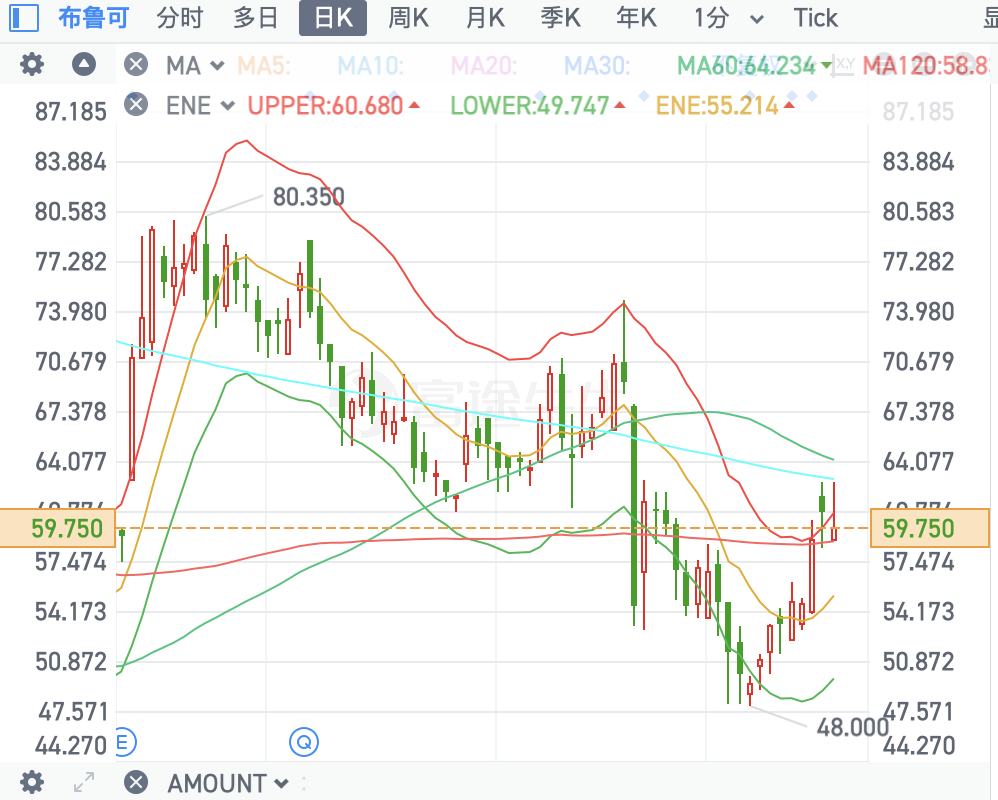
According to the Zhitong Finance App, this round of market reversal is not a source of emptiness. At the capital operation level, the company's “cancellation repurchases” totaling 11 times during the year and costing about HK$135 million formed the most direct protective force; at the business level, the explosive growth of overseas markets, the continuous release of new categories, and significant optimization of the user structure have jointly built a solid foundation to support valuation restoration.
When the “real money” of capital resonates with the “hard core growth” of the business, can short-term chip disturbances still shake the long-term growth logic?
The confidence game behind the HK$135 million repurchase
Looking back at Bruker's capital market performance since the fourth quarter, October 22 is undoubtedly a watershed moment. The Zhitong Finance App noticed that on the same day, due to the controlling shareholder Zhu Weisong's personal capital requirements, the stock price fell sharply by 21.38% in a single day due to market pressure and concentrated release, hitting the HK$53.3 mark. This sudden downturn caught many investors who were optimistic about the company's long-term development by surprise, and market sentiment once fell into extreme pessimism.
Faced with the irrational drop in stock prices, Bruker did not choose to remain silent, but instead quickly initiated a normalized repurchase mechanism. According to the data, on November 11 and November 13 alone, the company made continuous repurchases. As of November 13, the cumulative number of shares repurchased during the year reached 2.592 million shares, costing about HK$135 million. This kind of high-frequency, large-scale repurchase action is rare in Hong Kong stock IPOs. More importantly, these repurchases of shares will be used for cancellation or equity incentives, which means that repurchases not only reduce tradable share capital in the market, but also directly increase earnings per share, and are a substantial return to the interests of existing shareholders.
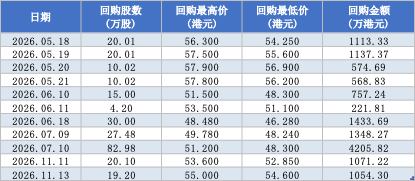
From a gaming perspective, this HK$135 million investment is actually a head-to-head battle between management and bearish forces. In the context of the controlling shareholders' holdings reduction, the market originally feared that there would be a “kill more” trampling effect, but the company continued to buy in the secondary market through its own capital, objectively taking on most of the selling pressure, and played the role of “setting the balance.” Currently, Bruker's stock price has rebounded above the repurchase cost range. This not only means that the funds involved in the repurchase have been profitable, but also shows that management is highly appreciative of the company's current valuation.
Of course, we also need to rationally view the role of repurchases. Although it can stabilize stock prices and boost confidence in the short term, it is no substitute for long-term improvements in fundamentals. Bruker's buyback act is more of a defensive capital management method, aimed at hedging the emotional shock caused by short-term weakness rather than simply “bailing out the market.” For investors, the positive signals released by the repurchase are worthy of recognition, but the final pricing power is still in the hands of the company's performance.
Overseas spree and new products break the game to build a second curve
If buybacks are a “shield” that stabilizes stock prices, then continued improvement in fundamentals is a “spear” that pushes stock prices to rise. At a time when the general consumer environment is full of uncertainty, Bruke handed over a very resilient report card. Among them, overseas business and the performance of new categories have become the core engines supporting valuation restoration.
The explosion in overseas markets is Bruker's biggest highlight this year. The Zhitong Finance App notes that in the first half of 2026, the company's overseas revenue reached 366 million yuan (RMB, same below), a year-on-year increase of 228.5%, and its revenue share rapidly increased from less than 10% in the same period last year to 20.6%. This growth rate is extremely rare in the toy industry, showing the strong penetration of “Chinese Creative+Made in China” in the global market. Among them, the performance of the American region was particularly impressive. Revenue in the first half of the year was about 198 million yuan, an increase of about 349% over the previous year. The US and Indonesia became the two countries that contributed the most overseas revenue. What is even more exciting is that Bruker has successfully entered mainstream global retail channels such as Walmart, Amazon, and Target, which means that its product strength and brand power have been initially recognized by the international market. As the peak Christmas season approaches, the distribution effect of overseas channels will be further unleashed, which is expected to contribute more to the second half of the year's results.
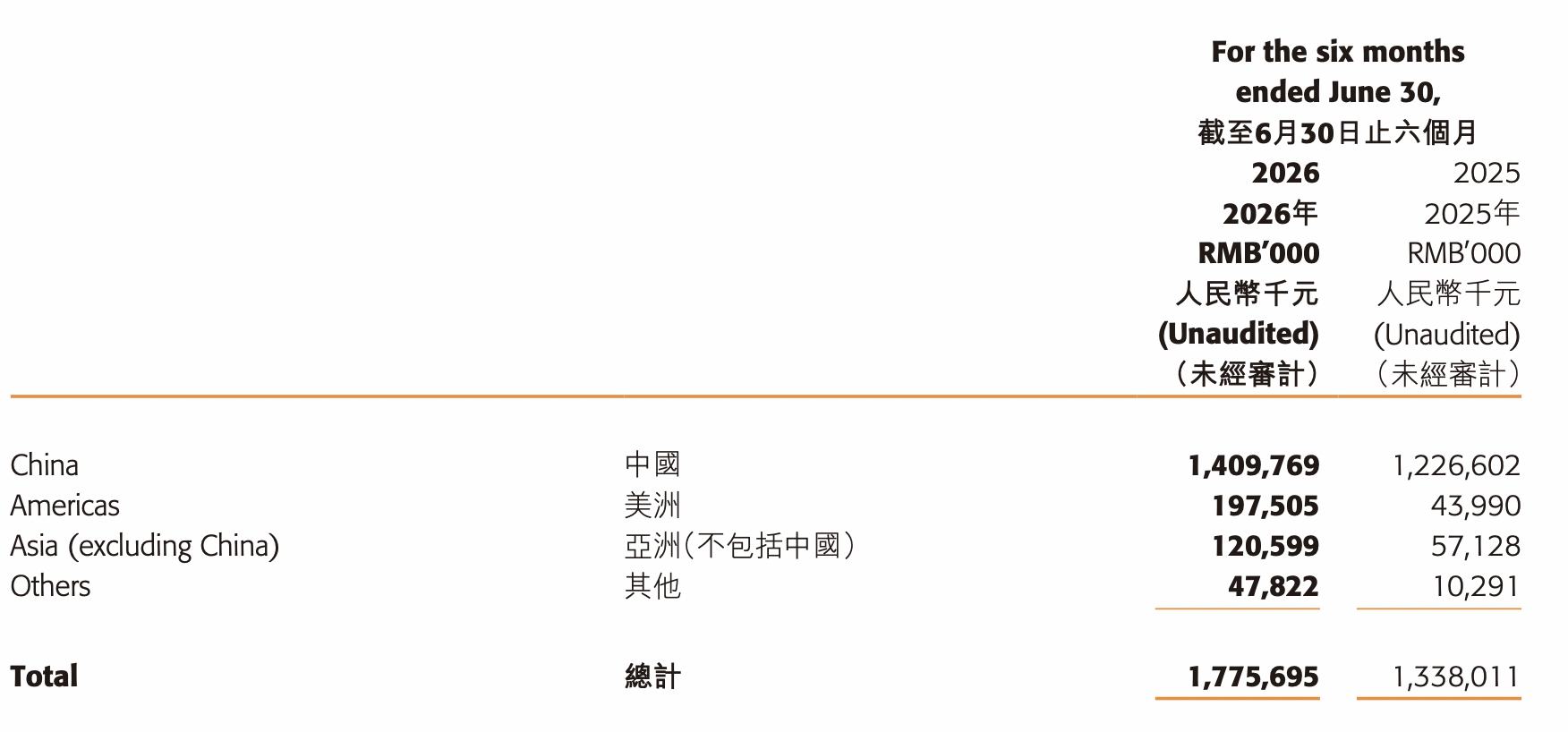
The CICC research report points out that the company's main market channel structures are significantly different, and Brukko promotes localization according to local conditions. It believes that America has the United States as the core and South America is expanding rapidly, and has already entered the stage of network encryption and shelf deepening; Europe has a good category and population base; new subsidiaries and front warehouses have been set up in France; and Southeast Asia is widely covered by convenience stores, and the focus is shifting to single-store production. In the competitive landscape, Blue can compete misplaced with major competitors such as LEGO, Bandai, and Hasbro on popular pricing.
In the domestic market, Bruker also showed strong product iteration capabilities. In addition to the traditional building block car series maintaining steady growth, the block car series has become a new growth pole. In the first half of this year, the revenue of the building block car series reached 186 million yuan, accounting for 10.4%, successfully breaking the gap in the market for affordable brick cars. According to the CICC report, the upper limit of the building block car category is high, and Bruker products also have advantages in terms of gameplay and pricing, and future growth can be expected.
At the same time, the Jenga Dinosaur Nature Collection series also contributed about 60 million yuan in revenue, accounting for 3.3%. The successful launch of these new categories has not only enriched the company's product matrix, but also effectively reduced its dependence on single explosives and enhanced resilience to risks.
The optimization of the user structure is another major support for Bruko's long-term value. For a long time, building block toys were viewed as “just for kids,” but Bruker is breaking this stereotype. According to the data, the company's share of product line revenue for those aged 16 and over has increased to 25%, an increase of 123.4% over the previous year. This change means that Bruker is transforming from a “children's toy” to a “trendy toy for all ages,” and the customer unit price and repurchase rate are expected to increase accordingly. In addition, the sales volume of 9.9 yuan affordable products reached 77.5 million units, accounting for 47.6% of total sales, and the repurchase rate for new users exceeded 70%. Although the gross margin of these low-priced products is not high, they have an excellent promotion function, laying the user base for the transformation of high-priced products. The analysis points out that overseas travel and the expansion of category price bands have contributed to Bruke's new growth potential, and are also expected to reduce the impact of single market and category fluctuations on performance.
Of course, behind the impressive data, we should also see potential challenges. The company's gross margin declined to a certain extent in the first half of the year, mainly affected by factors such as an increase in the share of affordable products, increased mold depreciation, and increased investment in overseas channel construction. In the short term, it will still take time to repair profit margins; however, in the medium to long term, gross margin is expected to gradually rise steadily as the maturity of overseas channels increases and the scale effect of new products becomes apparent.
In summary, Bruker's current stock price recovery is the result of a combination of capital action and improvements in fundamentals. The HK$135 million buyback injected confidence into the market, while high overseas growth, new product release and optimized user structure provided solid performance support. For investors, Bruker is currently at a critical stage in the transition from “expected repair” to “performance verification.” With the continuous disclosure of sales data for the fourth quarter and the further expansion of overseas markets, the company's long-term value is expected to be more fully reflected.