Cathay Pacific Haitong: How will Trump's tariff rejection be interpreted later?
The Zhitong Finance App learned that Cathay Pacific Haitong released a research report saying that the US Supreme Court recently ruled that the Trump administration was illegal in accordance with the reciprocal tariffs imposed by the IEEPA. Afterwards, Trump announced that he would temporarily impose a 10% global import tariff in accordance with section 122 of the 1974 Trade Act. The bank believes that the risk of re-inflation is still high, and that disputes over the new tax rate and tax refund have raised policy uncertainty. The market expects a temporary increase in the volatility of the US dollar and US bonds, but the magnitude is limited, and they are concerned about how to fix the patch.
Cathay Pacific Haitong's main views are as follows:
1. Equal tariffs have been overturned, how can they be patched?
On February 20, the US Supreme Court ruled that the reciprocal tariffs imposed by the Trump administration were illegal under the IEEPA. Afterwards, Trump said at a press conference that a 10% global import tariff would be temporarily imposed in accordance with section 122 of the 1974 Trade Act.
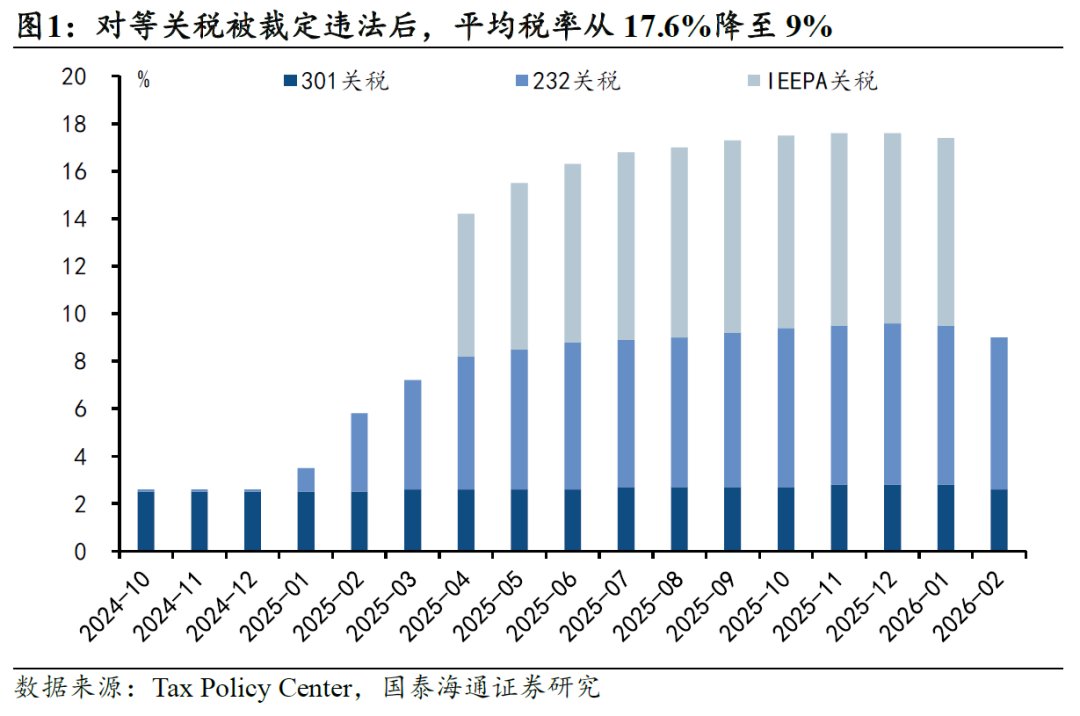
Short-term patch: 122 temporary tariffs. After the reciprocal tariff was ruled illegal, the current effective tariffs are only 232 and 301 tariffs. The average tax rate was reduced from 17.6% to 9%, and the reliable 122 clause kept the tax rate basically unchanged in the short term (150 days). In the medium to long term, 232 industry tariffs and 301 national tariffs will be major patches.
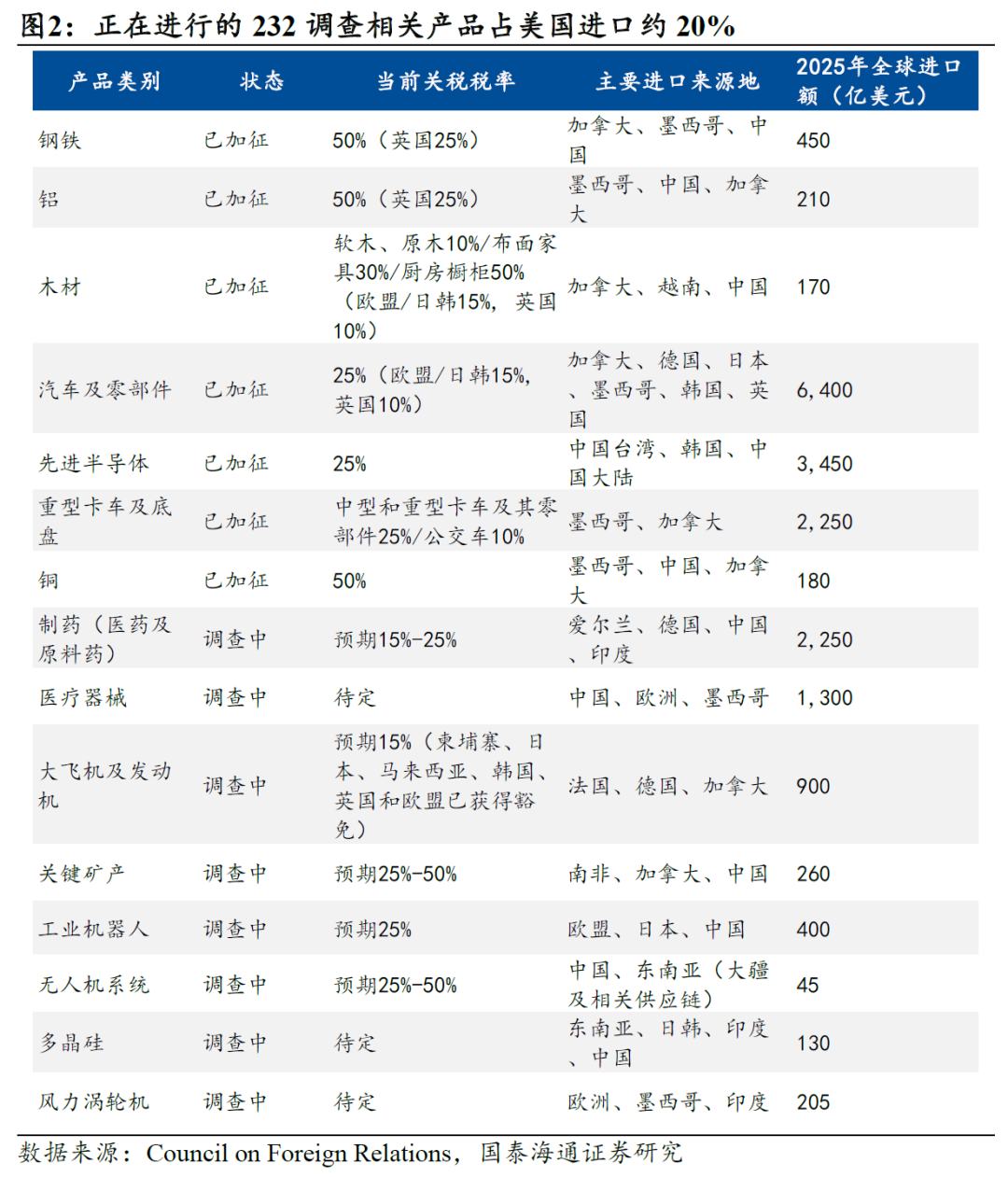
Medium and long-term fixes: 232 and 301 tariffs. The 2025 232 tariff has already been applied to automobiles, steel, aluminum, copper, furniture, trucks, and semiconductors were added at the beginning of the year (but most have been exempted). Pharmaceuticals, aircraft, key minerals, drones, wind turbines, robotics and industrial machinery, and polysilicon have already started and are being investigated in 2025. Most of them can produce survey results in the first half of 2026.
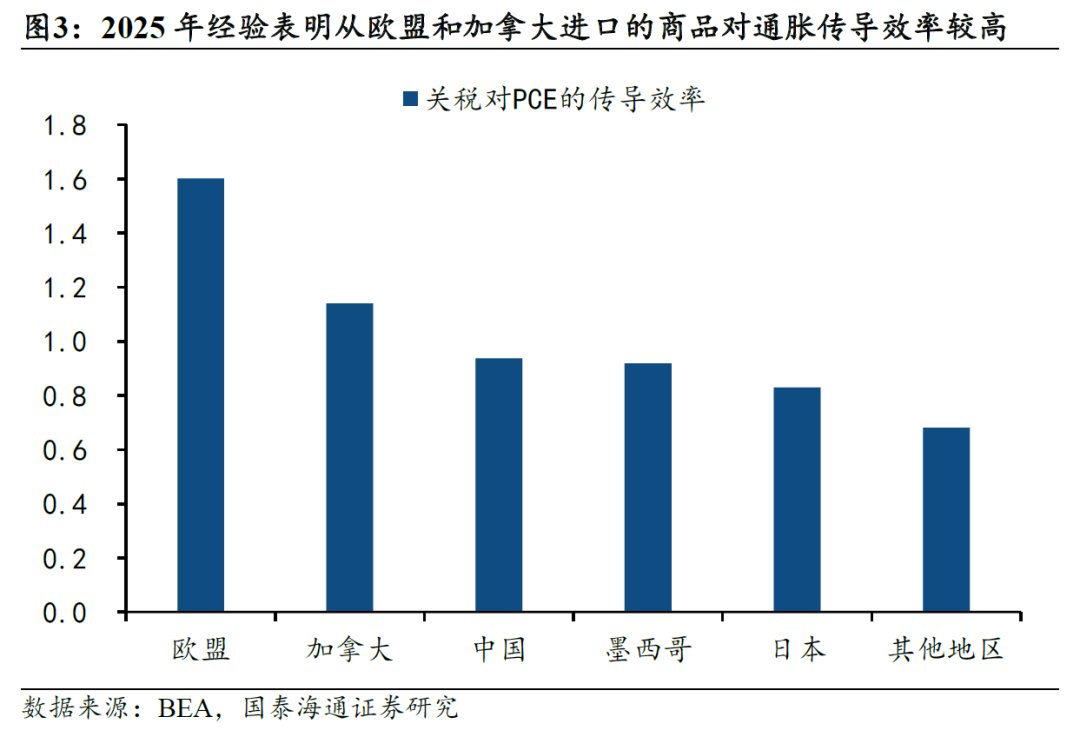
Products related to the above 232 survey account for about 20% of US imports. To make up for the equal tariff gap, additional tariffs are required at a 40% rate. The main importers of these products include China, Mexico, the European Union, Vietnam, and Canada. Attention should be paid to the structural impact of the actual implementation of the 232 tariff. Experience in 2025 shows that goods imported from the EU and Canada are more efficient at transmitting inflation.
2. Equal tariffs have been overturned, not to reduce inflation. The bank believes that the risk of further inflation is still high:
First, in anticipation of a case-by-case trial, it is necessary to consider the motivation of the enterprise to file a lawsuit. If the enterprise has successfully passed on the tariff costs to the consumer, the enterprise may not have much incentive to claim a tax refund, which also means that the corresponding commodity price may not be reduced;
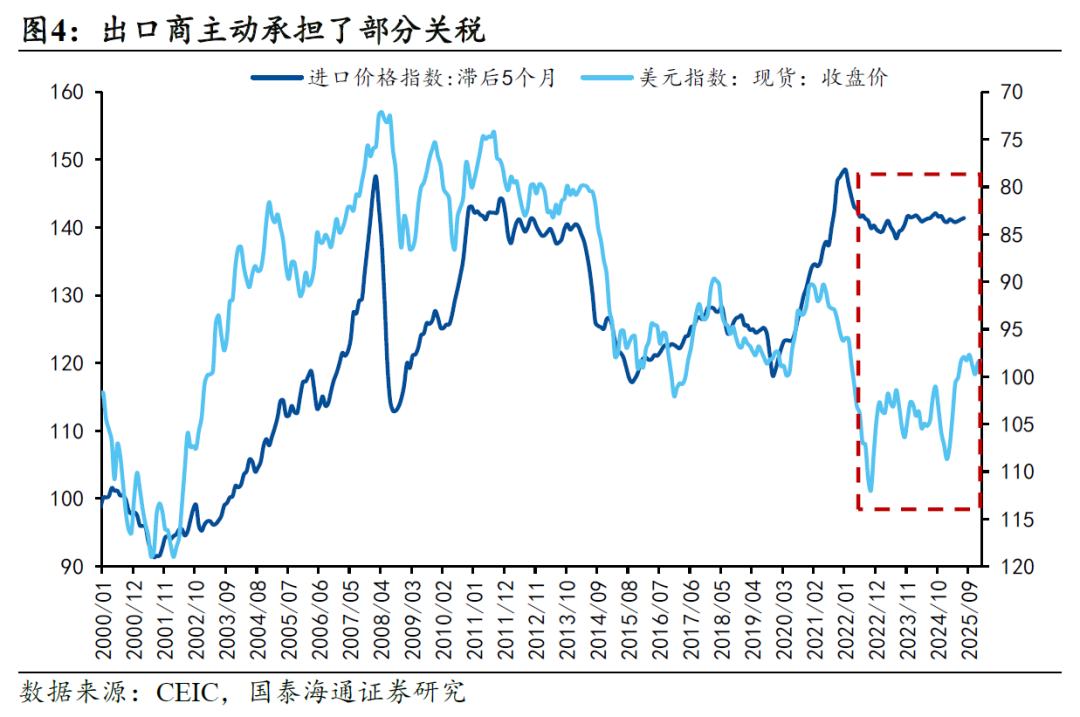
Second, exporters have taken the initiative to bear part of the tariffs (reflected in the depreciation of the US dollar, while US import prices have basically not changed), thereby minimizing the impact of tariffs on commodity prices. Instead, tariff cuts have provided exporters with room to raise prices;
Third, considering that both Trump and Bezent say that alternative tariffs will basically retain the original tax rate and tax level, while tax refunds are full of uncertainties, companies' plans to shift tariffs downstream may not be greatly affected.
3. Impact on finance: Slight increase in pressure
Equal tariffs account for nearly 60% of US tariff revenue, so the market is more concerned about the fiscal impact.
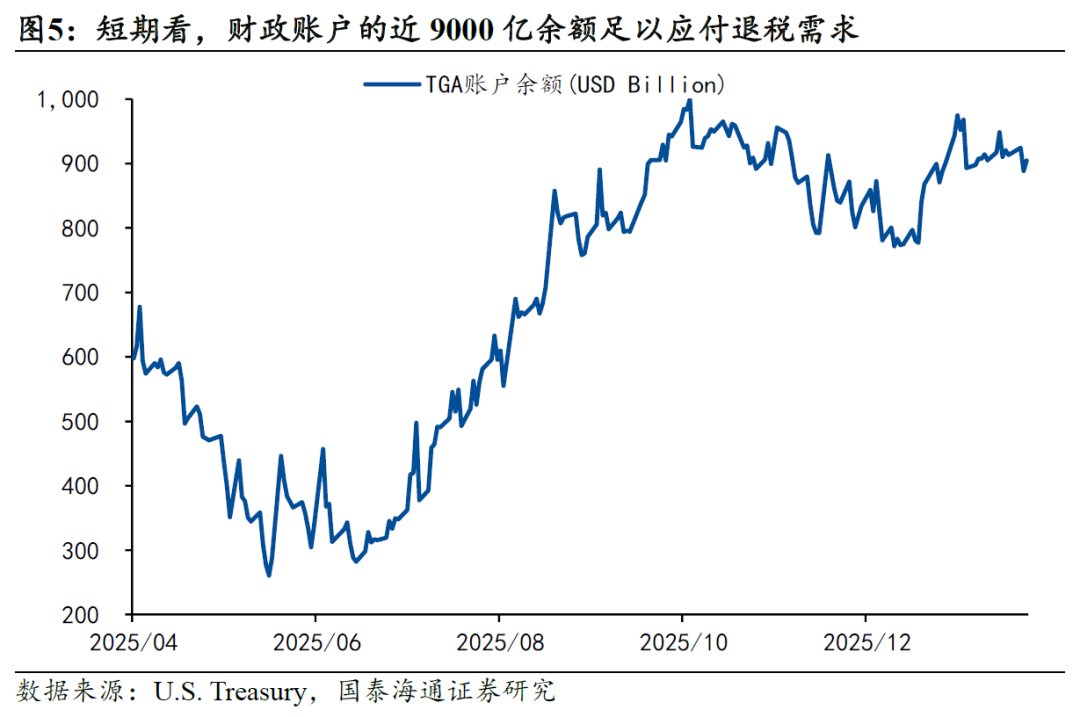
In the short term, even if a full tax refund is required (about 170 billion US dollars), the balance of the fiscal account of nearly 900 billion US dollars is enough to handle, and the financing pressure is limited.
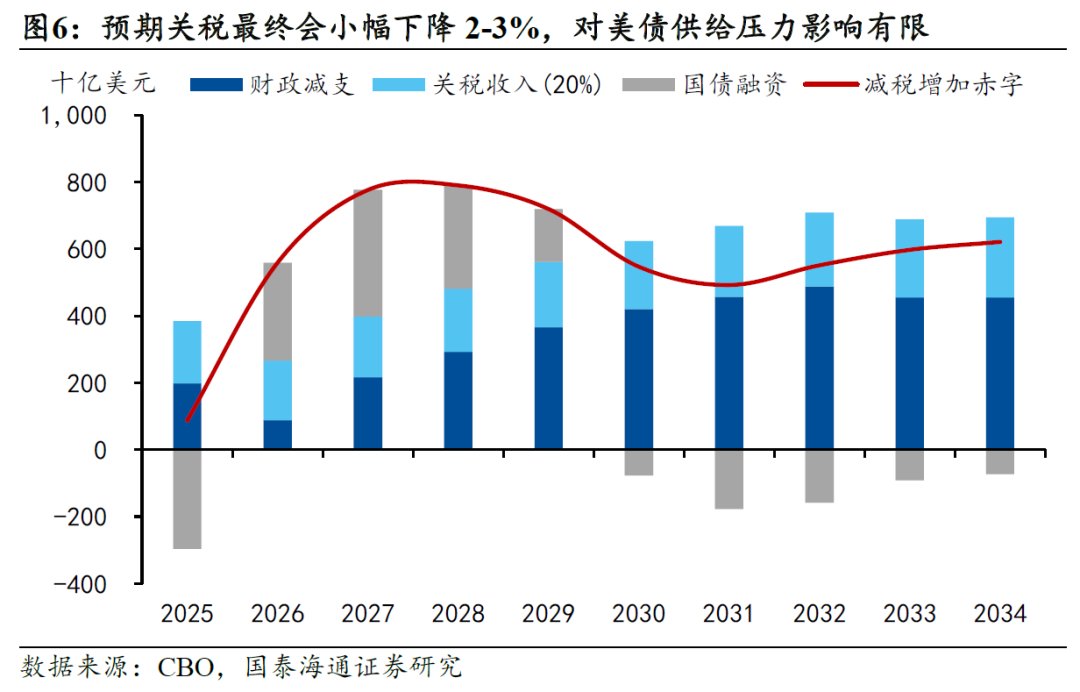
Looking at the medium to long term, it is necessary to track the specific implementation of the 232 and 301 tariffs. The Damei Act increases the average annual deficit by about 300 billion US dollars. After the equivalent tariffs are overturned, assuming no additional tariffs, the net bond financing requirement will be 3 times the current level, significantly increasing supply pressure.
The bank expects tariffs to eventually drop slightly by 2-3% and slightly push up the fiscal deficit rate by about 0.1-0.2%, with limited impact on US debt supply pressure.
4. Asset Pricing: Policy Uncertainty Restarted
The market already anticipates that the Supreme Court will overturn equal tariffs, while the White House will seek other alternatives. The volatility of the US dollar and US bonds will temporarily increase, but to a limited extent. For Trump, the IEEPA provided more bargaining chips than 232 and 301. The market is concerned about how to fix the patch, and if the new patch is not as effective as the IEEPA, it will prompt Trump to seek more aggressive policy tools. As a result, policy uncertainty has been put back on the table, and gold's performance is more smooth.
Risk warning: Uncertainty about the Trump administration's tariff policy.